 ICACT20250082 Slide.22
[Big slide for presentation]
[YouTube] |
Chrome Text-to-Speach Click!! |
 |
THANK YOU
|
|
ICACT20250082 Slide.21
[Big slide for presentation]
[YouTube] |
Chrome Text-to-Speach Click!! |
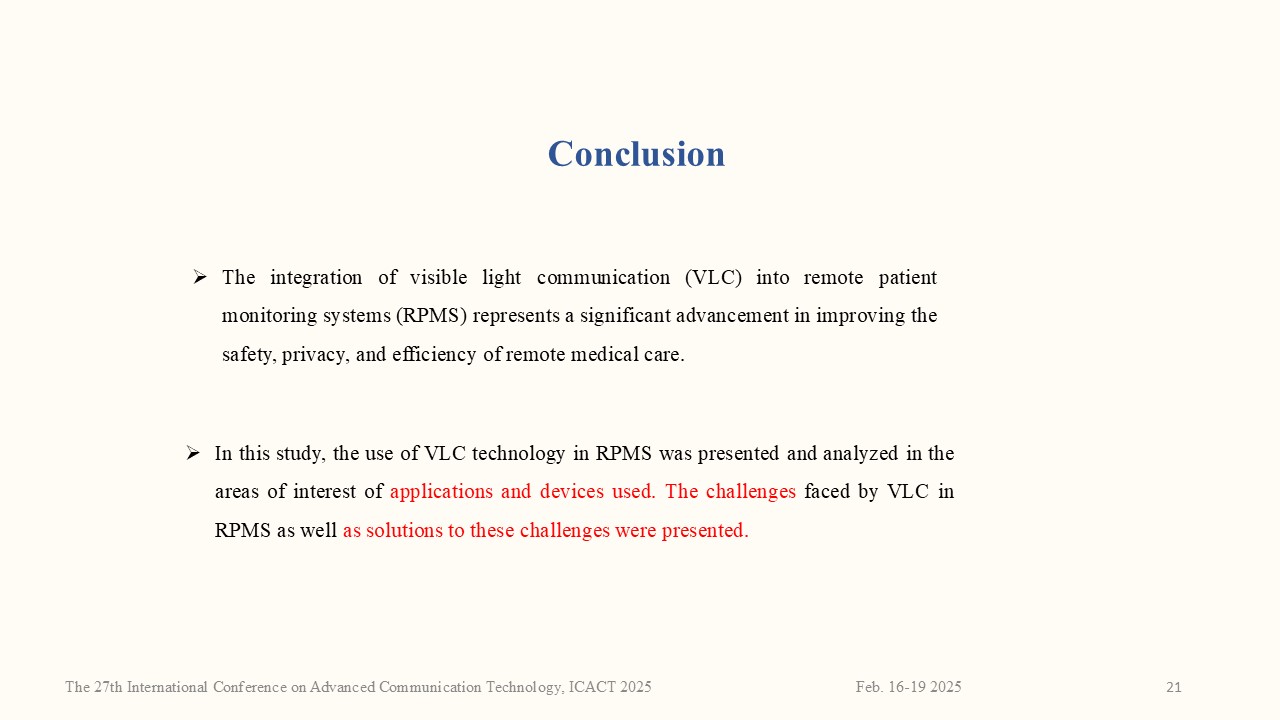 |
The integration of visible light communication (VLC) into remote patient monitoring systems (RPMS) represents a significant advancement in improving the safety, privacy, and efficiency of remote medical care. With its ability to provide fast and secure data transmission, VLC overcomes some of the limitations of conventional RF technologies, including electromagnetic interference and the security of sensitive patient data. In this study, the use of VLC technology in RPMS has been presented and analyzed in the areas of interest that are applications and devices used. The challenges faced by VLC in RPMS as well as solutions to these challenges have been presented.
|
|
ICACT20250082 Slide.20
[Big slide for presentation]
[YouTube] |
Chrome Text-to-Speach Click!! |
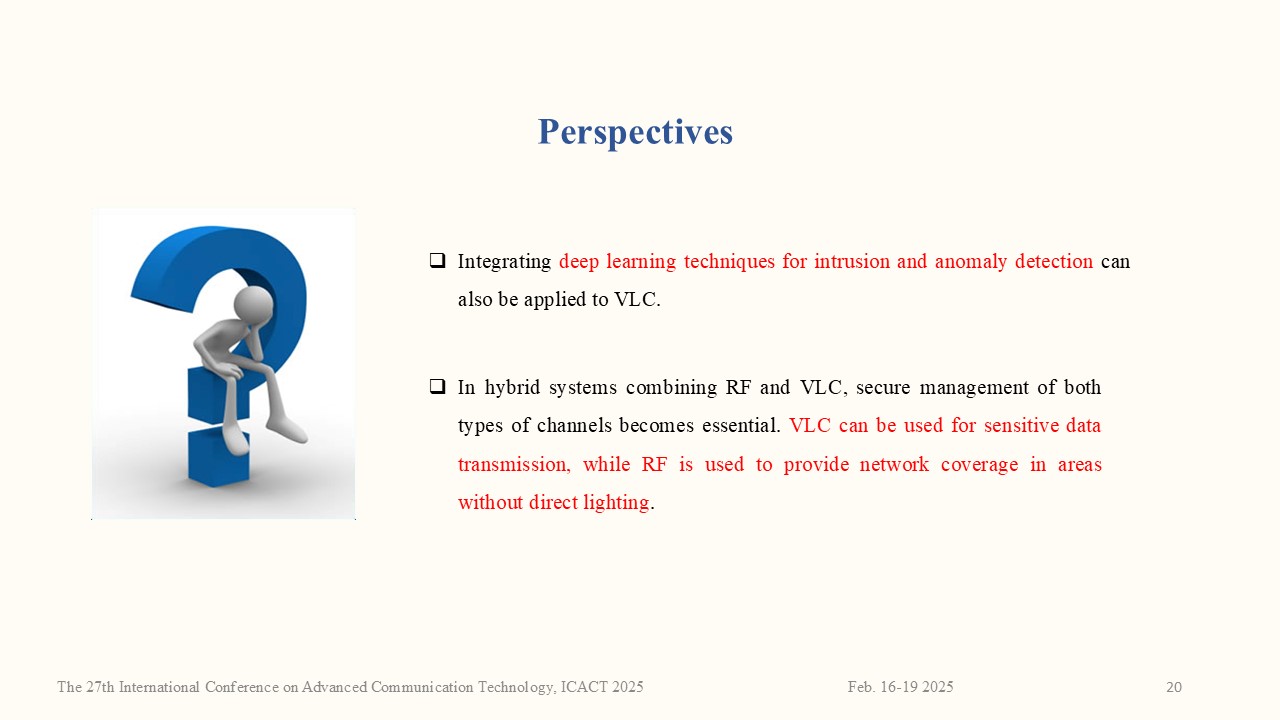 |
Future security perspectives for visible light communication (VLC) in remote patient monitoring systems (RPMS) present unique opportunities and challenges. As an emerging technology for data transmission, VLC offers advantages in physical security and interference resistance, but also requires robust solutions to protect sensitive medical information in a healthcare setting. Some of the key security perspectives for VLC in RPMS include:
Integrating deep learning techniques for intrusion and anomaly detection can also be applied to VLC. AI systems could monitor the behavior of VLC communications in real time and identify interception attempts or attacks such as denial of service (DoS) attacks. These systems would learn from normal data traffic patterns to quickly identify suspicious behavior and neutralize potential threats.
In hybrid systems combining RF and VLC, secure management of both types of channels becomes essential. VLC can be used for sensitive data transmission, while RF is used to provide network coverage in areas without direct lighting. It is therefore crucial to implement secure switching policies between these two types of communications, ensuring that sensitive data is always transmitted over the most secure channel. Encryption and key management protocols should also adapt to dynamic changes between RF and VLC channels. Deep learning algorithms can strengthen encryption mechanisms in hybrid RF/VLC networks by dynamically adjusting encryption protocols based on detected threats. In addition, deep learning can be used to monitor RF and VLC communications in real time and identify intrusions or anomalies. Convolutional neural networks (CNNs) and recurrent neural networks (RNNs) can learn from normal data patterns to detect abnormal behavior, such as signal interception attempts or denial of service (DoS) attacks on either channel.
|
|
ICACT20250082 Slide.19
[Big slide for presentation]
[YouTube] |
Chrome Text-to-Speach Click!! |
 |
Conclusion and perspectives
|
|
ICACT20250082 Slide.18
[Big slide for presentation]
[YouTube] |
Chrome Text-to-Speach Click!! |
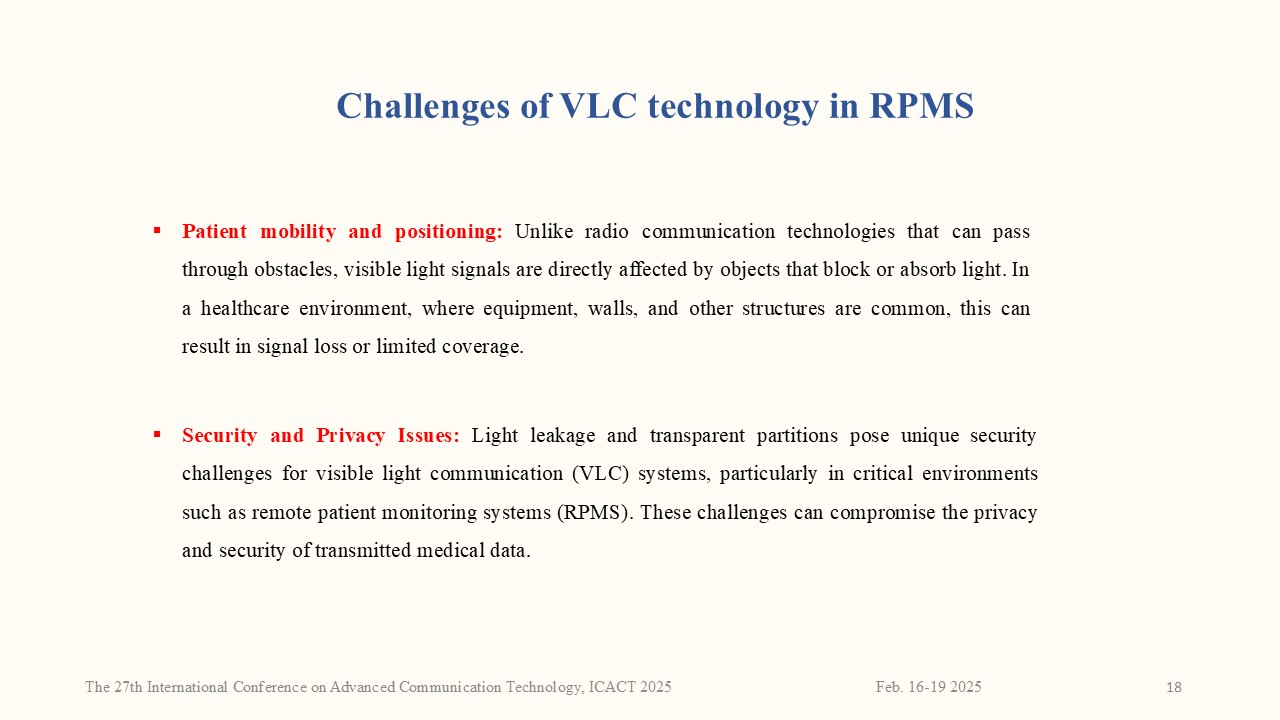 |
Patient mobility and positioning: Unlike radio communication technologies that can pass through obstacles, visible light signals are directly affected by objects that block or absorb light. In a healthcare environment, where equipment, walls, and other structures are common, this can result in signal loss or limited coverage. As a result, patients may move around their room or between rooms, which can interrupt communication if the VLC sensor is unable to track their movement. Monitoring devices must therefore be designed to accommodate these movements, either by using multiple transmitters and receivers or by integrating complementary technologies to ensure continuous coverage.
Security and Privacy Issues: Light leakage and transparent partitions pose unique security challenges for visible light communication (VLC) systems, especially in critical environments such as remote patient monitoring systems (RPMS). These challenges can compromise the privacy and security of transmitted medical data [37]. Unlike radio waves, visible light does not pass through walls, but it can propagate through openings or windows allowing an outside observer to intercept the data. This light leakage can lead to unauthorized interceptions if the VLC system is operating in a poorly insulated space. However, medical monitoring systems often rely on continuous transmissions of sensitive data, such as real-time health measurements. Transparent partitions could therefore compromise the confidentiality of this information, even in supposedly secure environments, such as consulting rooms or patient rooms.
|
|
ICACT20250082 Slide.17
[Big slide for presentation]
[YouTube] |
Chrome Text-to-Speach Click!! |
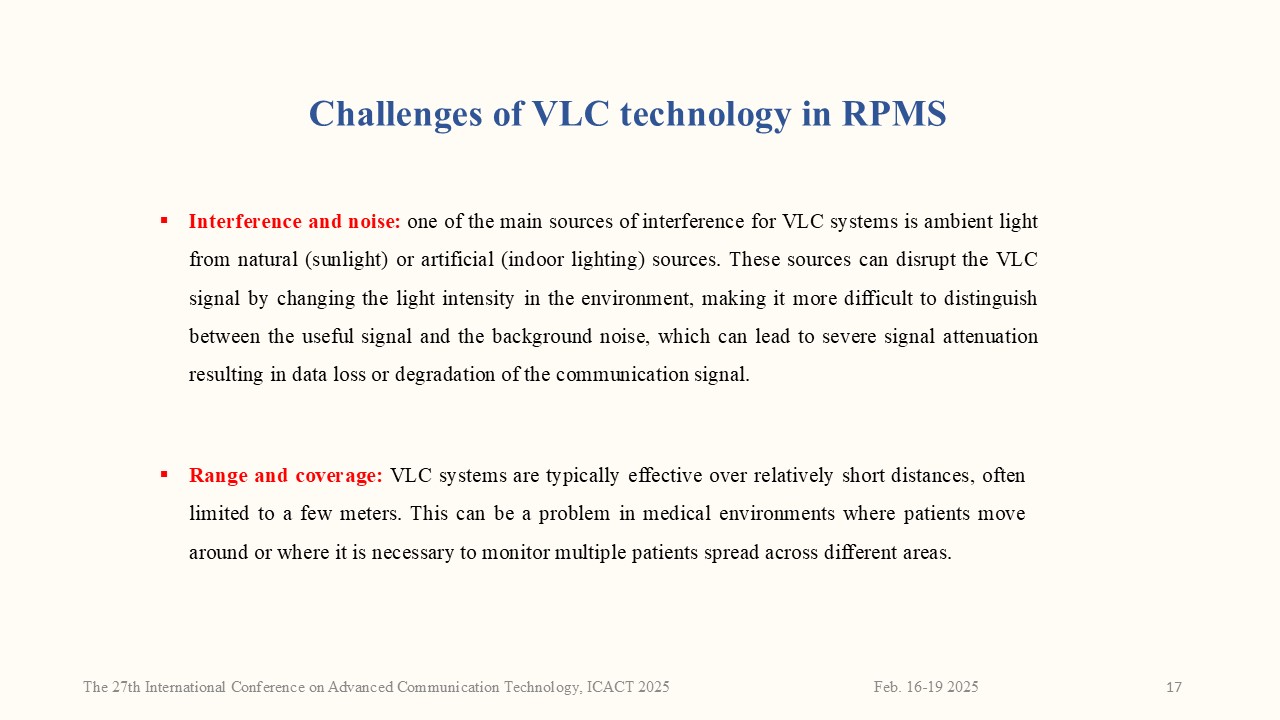 |
Although visible light communication offers attractive security and bandwidth advantages, it also presents significant challenges in terms of range, integration, and environment.
Interference and noise: Interference and background noise represent significant challenges for Visible Light Communication (VLC), especially in remote patient monitoring systems (RPMS), where the transmission of medical data must be reliable and secure. However, one of the main sources of interference for VLC systems is ambient light from natural (sunlight) or artificial (indoor lighting) sources. These sources can disrupt the VLC signal by changing the light intensity in the environment, making it more difficult to distinguish between the useful signal and the background noise, which can lead to severe signal attenuation resulting in data loss or degradation of the communication signal.
Limited range and coverage: VLC systems are typically effective over relatively short distances, often limited to a few meters. This can be a problem in medical environments where patients move around or where it is necessary to monitor multiple patients spread across different areas. The need to maintain a direct line of sight between transmitters and receivers can limit the practical application of VLC in larger or complex environments. Additionally, ambient light sources, such as sunlight or artificial lighting, can create optical noise, which disrupts the reception of light signals. This interference can reduce the reliability and range of communication, requiring adjustments in lighting intensity or the use of filters to attenuate light noise.
|
|
ICACT20250082 Slide.16
[Big slide for presentation]
[YouTube] |
Chrome Text-to-Speach Click!! |
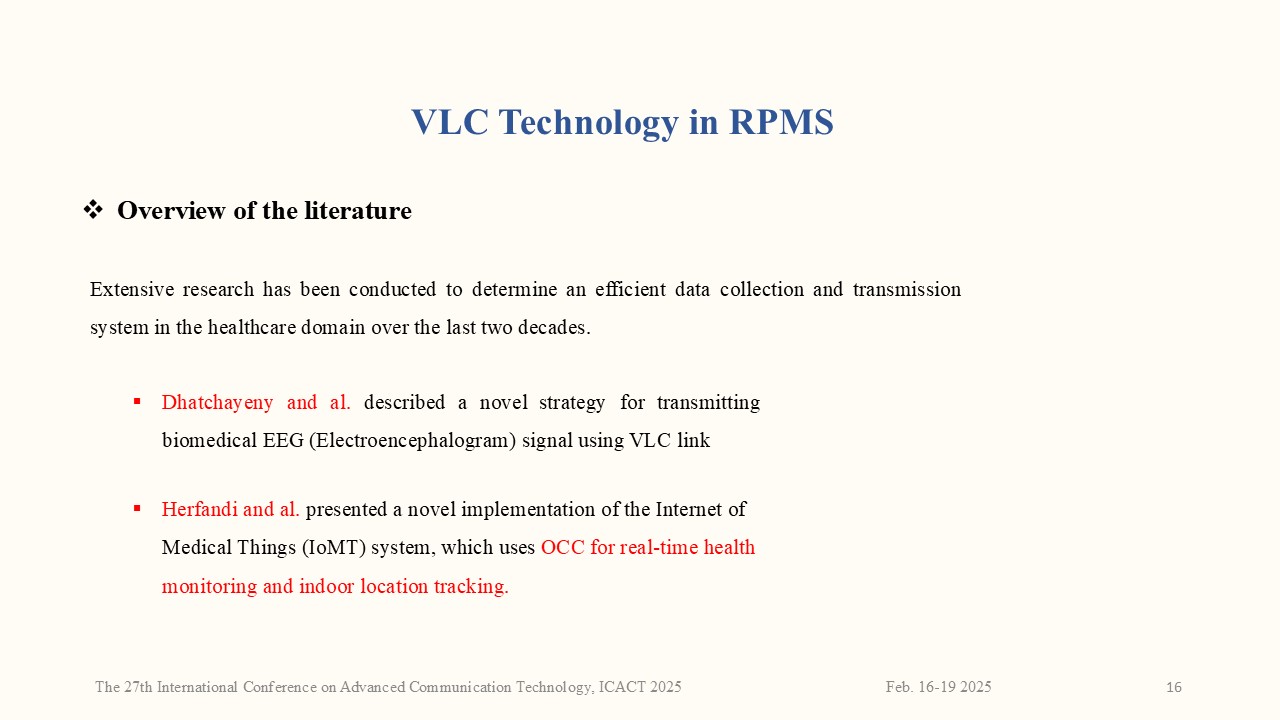 |
Extensive research has been conducted to determine an effective data collection and transmission system in the healthcare field over the last two decades. The developed monitoring systems have implemented different types of VLC systems for the transmission of medical signals. Some of the works will be briefly presented in this section:
Dhatchayeny et al. described a novel strategy for transmitting the biomedical EEG (Electroencephalogram) signal using a VLC link; data transmission is performed in line-of-sight (LOS) using OOK modulation and the three LED color components: red, green, and blue (RGB).
As for Herfandi et al. [35] presented a novel implementation of the Internet of Medical Things (IoMT) system, which uses OCC for real-time health monitoring and indoor location tracking. The innovative system uses standard closed-circuit television (CCTV) installations, integrating a deep learning-based OCC system to simultaneously monitor multiple patients, each represented by an LED array. The effectiveness of the system was demonstrated through two scenarios: the first involves two transmitters and a single camera, emphasizing real-time monitoring of vital health data; the second comprises a transmitter with two cameras, emphasizing tracking patient movements across the camera’s different fields of view. To accurately locate and track the position of the LED arrays in the camera, the system uses YOLO (You Only Look Once). Data is securely transmitted to an edge server and stored using the Representational State Transfer (REST) API, with a web interface providing real -time updates on the patient.
|
|
ICACT20250082 Slide.15
[Big slide for presentation]
[YouTube] |
Chrome Text-to-Speach Click!! |
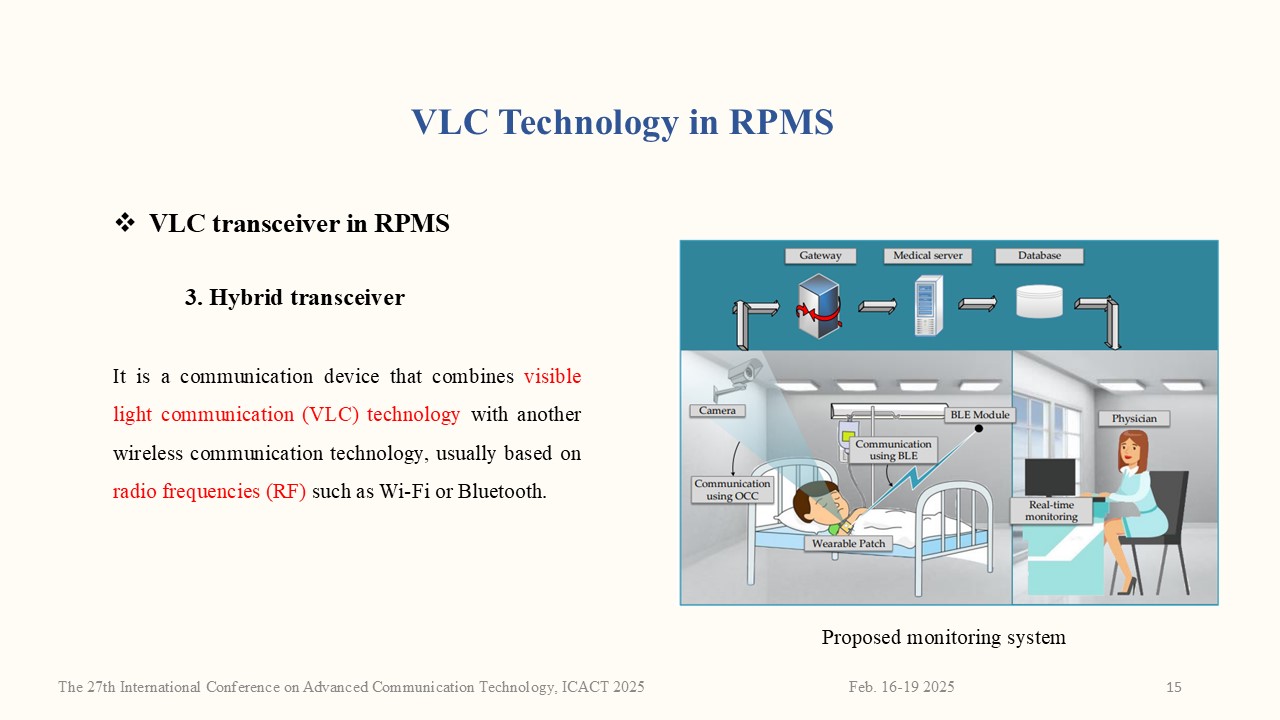 |
It is a communication device that combines visible light communication (VLC) technology with another wireless communication technology, usually based on radio frequency (RF) such as Wi-Fi or Bluetooth. This type of hybrid system aims to leverage the advantages of both technologies to overcome their respective limitations. A VLC/RF hybrid transceiver in a hospital could transmit critical data via VLC for safety, while ensuring continuous coverage through RF in case of patient movement. It is also particularly useful in complex environments where communication conditions may vary and reliability and safety are essential. A hybrid OCC/BLE (Optical Camera Communication/Bluetooth Low Energy) system is shown in Figure to ensure efficient, remote, and real-time transmission of a patient's electrocardiogram (ECG) signal to a monitor. First, a patch circuit integrating an LED array and a BLE transmitter chip is proposed. The patch collects ECG data based on the patient's health status to minimize the power consumption. A network selection algorithm is developed for a new network access request generated in the patch circuit. Fuzzy logic is used to select an appropriate camera for data reception. Moreover, a handover mechanism is proposed to ensure efficient network allocation considering the patient's mobility. Finally, simulations are conducted to demonstrate the performance and reliability of the proposed system.
|
|
ICACT20250082 Slide.14
[Big slide for presentation]
[YouTube] |
Chrome Text-to-Speach Click!! |
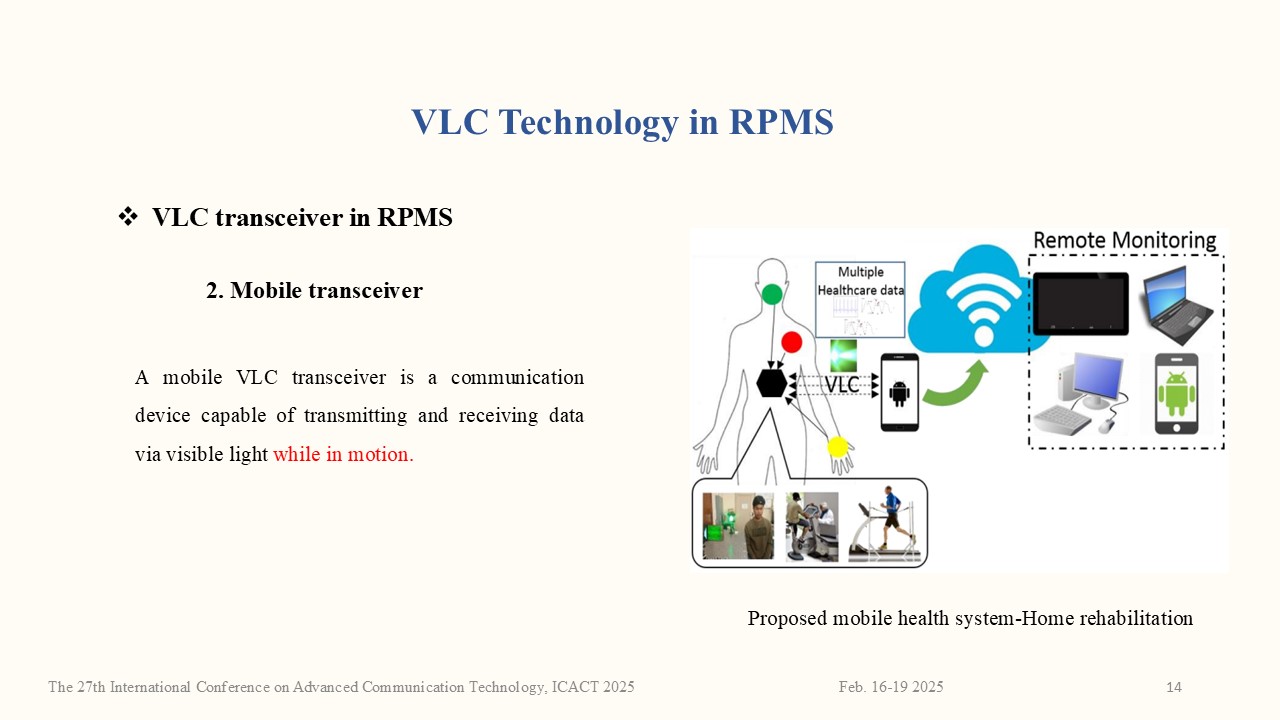 |
A mobile VLC transceiver is a communication device capable of transmitting and receiving data via visible light while in motion. This type of device is designed to maintain stable and effective communication even when either the transmitter or the receiver (or both) are moving, unlike static VLC systems that typically require a fixed direct line of sight. In hospitals, a patient equipped with a wearable VLC device can move freely while still transmitting real-time biometric data to a fixed base station. The figure shows the illustration of the conceptual idea of the proposed home-based m-Health rehabilitation system. Clinical data are collected from multiple wearable sensors and then transmitted via a portable LED lamp worn by the patients. Therefore, the collected clinical signals were recorded both locally and remotely. For local storage, the authors proposed an Android application that can monitor the history and the monitoring system in real time, while then being backed up to a remote cloud database server so that clinicians, doctors, and other healthcare professionals can analyze the signal remotely via their personal computers (PCs) or mobile devices.
|
|
ICACT20250082 Slide.13
[Big slide for presentation]
[YouTube] |
Chrome Text-to-Speach Click!! |
 |
Transceivers are devices used in visible light communication (VLC) systems for transmitting and receiving data. Communication via VLC will be possible by static, mobile or hybrid transceivers.
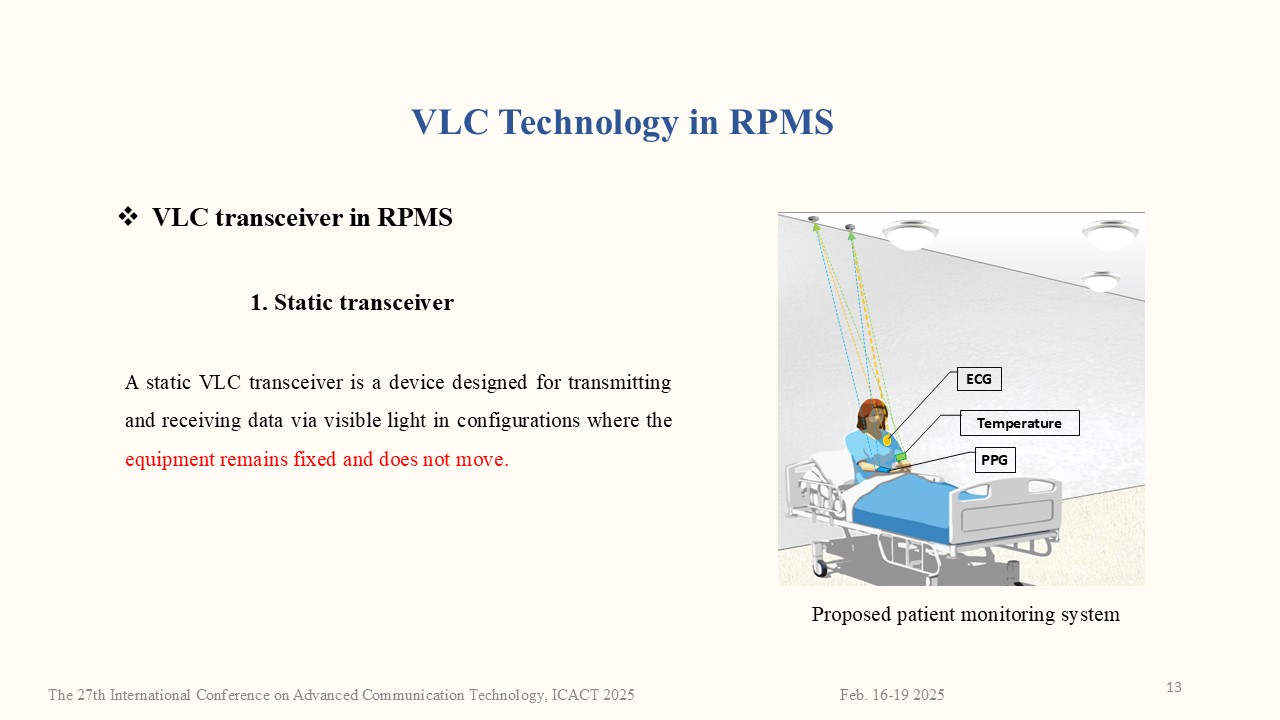
A static VLC transceiver is a device designed for transmitting and receiving data via visible light in configurations where the equipment remains fixed and does not move. This figure illustrates the proposed transmission scenario in which a transmit LED is installed for each sensor using a specific transmit module, pointing upwards towards the ceiling where the photodetectors are installed. The transmit modules placed on the patient are assumed to have the LOS (Line of Sight) connection with the photodetectors on the ceiling. The diversity effect is achieved by using multiple photodetectors. A suitable spacing between the photodetectors is required for the robustness of data reception. The proposed system uses three preloaded biomedical data for healthcare, namely ECG, body temperature and photoplethysmogram (PPG), which are transmitted via the LEDs using OOK modulation.
|
|
ICACT20250082 Slide.12
[Big slide for presentation]
[YouTube] |
Chrome Text-to-Speach Click!! |
 |
4) Communication with implantable devices: VLC can facilitate communication with implanted medical devices, such as pacemakers or sensory implants. These devices can transmit critical data about the patient’s health status to an external receiver via visible light, ensuring continuous and discreet monitoring, without the need for invasive connections or bulky batteries. Coordination between wearable and implanted medical devices is crucial for integrated patient monitoring. VLC can synchronize these devices efficiently, ensuring that data transmitted by implants is correctly interpreted by wearable devices, and vice versa. This enables real-time monitoring and improved medical decision-making.
5) Home Patient Monitoring: VLC can be integrated into telemonitoring systems for home monitoring of patients, especially those with chronic diseases or in the post-operative phase. By using VLC-enabled home devices, such as smart lighting fixtures, health data can be securely transmitted to healthcare professionals, enabling continuous and proactive monitoring without the need for frequent hospital visits.
|
|
ICACT20250082 Slide.11
[Big slide for presentation]
[YouTube] |
Chrome Text-to-Speach Click!! |
 |
Visible Light Communication (VLC) applications in Remote Patient Monitoring Systems (RPMS) offer several advantages and opportunities, including security, privacy, and efficiency. Specific applications include:
1) Continuous Vital Signs Monitoring: VLC can be used for real-time transmission of biometric data, such as heart rate, blood pressure, body temperature, and oxygen saturation. Wearable or patient-implanted sensors can capture this data and transmit it via modulated light signals to a base station or monitoring device.
2) Intra-hospital communication : Secure communication between medical devices is crucial to ensure the integrity of healthcare data. VLC can play a key role in enabling secure data transfer between devices, such as bedside monitors and infusion pumps.
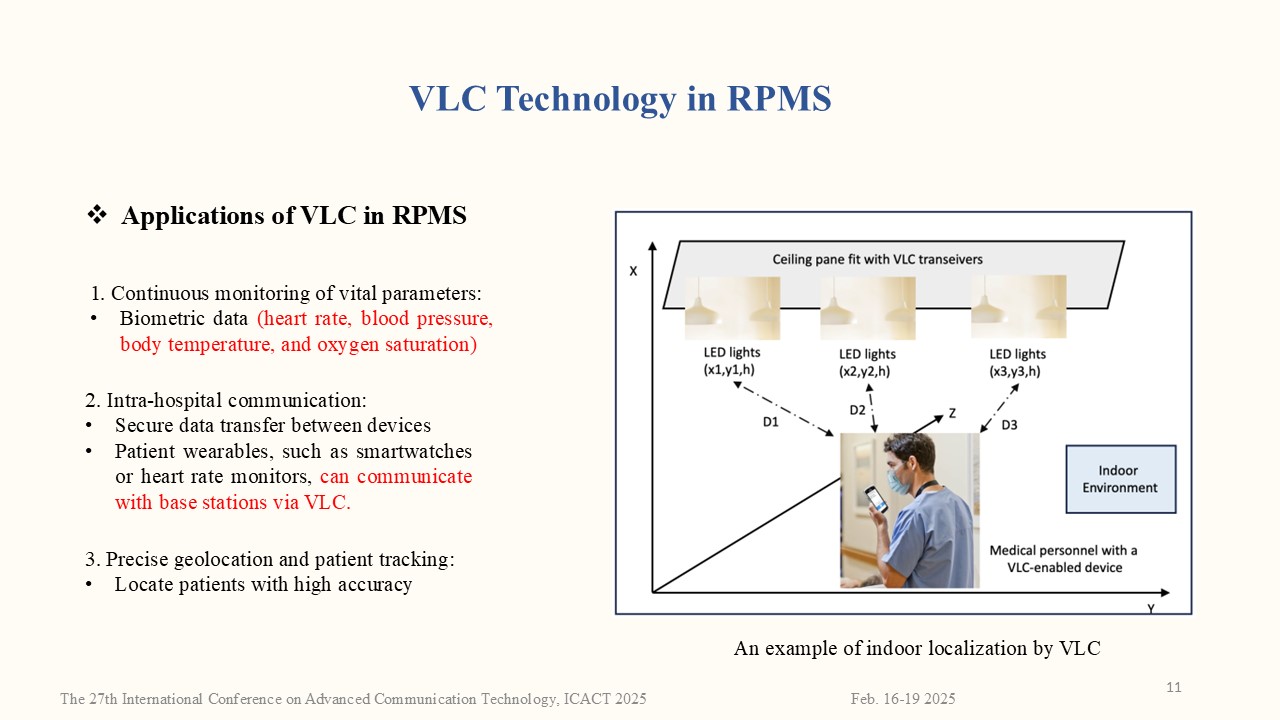
3) Precise geolocation and patient tracking : Precise geolocation of patients inside hospitals is a key application of VLC. Visible light-based tracking systems can locate patients with high accuracy, which is particularly useful for monitoring the movements of patients with cognitive impairment or those requiring continuous monitoring.
|
|
ICACT20250082 Slide.10
[Big slide for presentation]
[YouTube] |
Chrome Text-to-Speach Click!! |
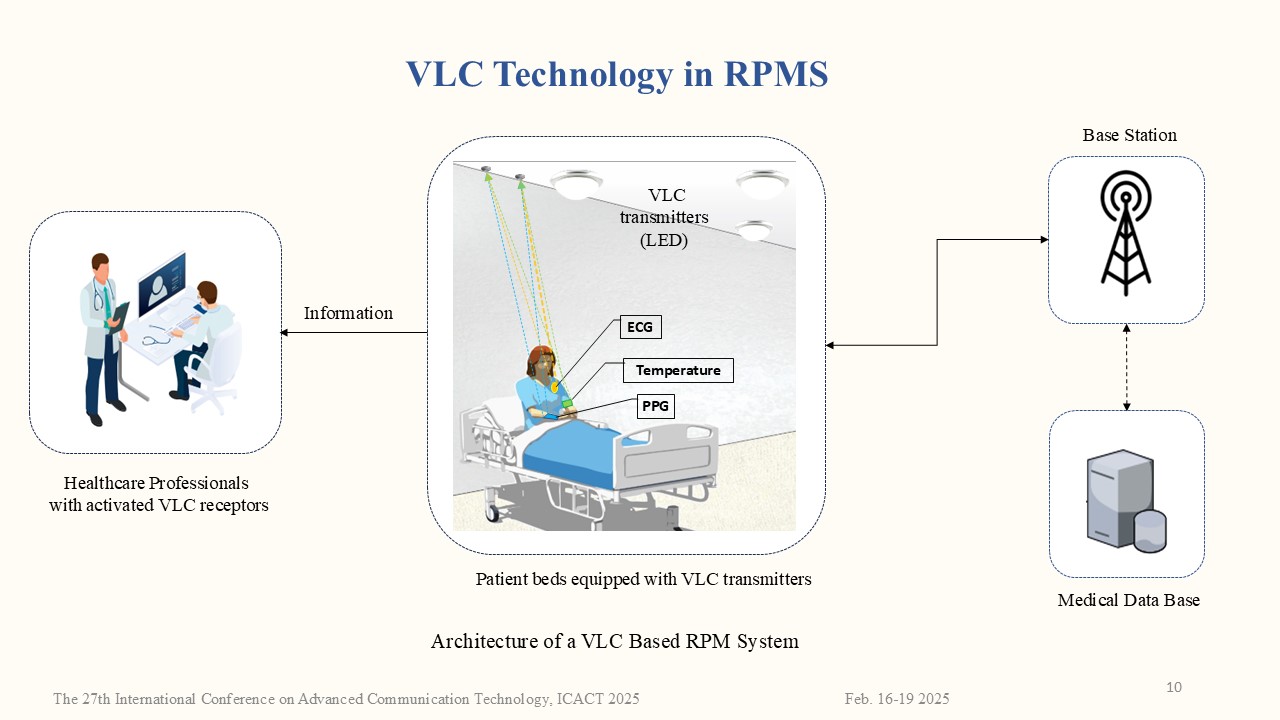 |
The architecture is based on an infrastructure where medical devices communicate via modulated light signals to receivers capable of processing and transmitting this data. Information from patients' beds is transmitted to healthcare professionals via LED lamps that act as VLC transmitters. In addition, patient data is relayed to the medical database for future reference.
The architecture consists of the following elements:
1. Medical sensors placed on or near patients to measure vital data (heart rate, blood pressure, temperature, etc.).
2. VLC transmitter module (an LED integrated into a room lighting unit) that receives data from the sensors and encodes it as light signals.
3. Photodetector that captures light variations and converts them into digital signals.
4. VLC base station that collects this data from multiple sensors/photodetectors, processes it and transmits it to the central server via a secure channel.
Central server that stores patient data and makes it accessible to healthcare professionals remotely.
|
|
ICACT20250082 Slide.09
[Big slide for presentation]
[YouTube] |
Chrome Text-to-Speach Click!! |
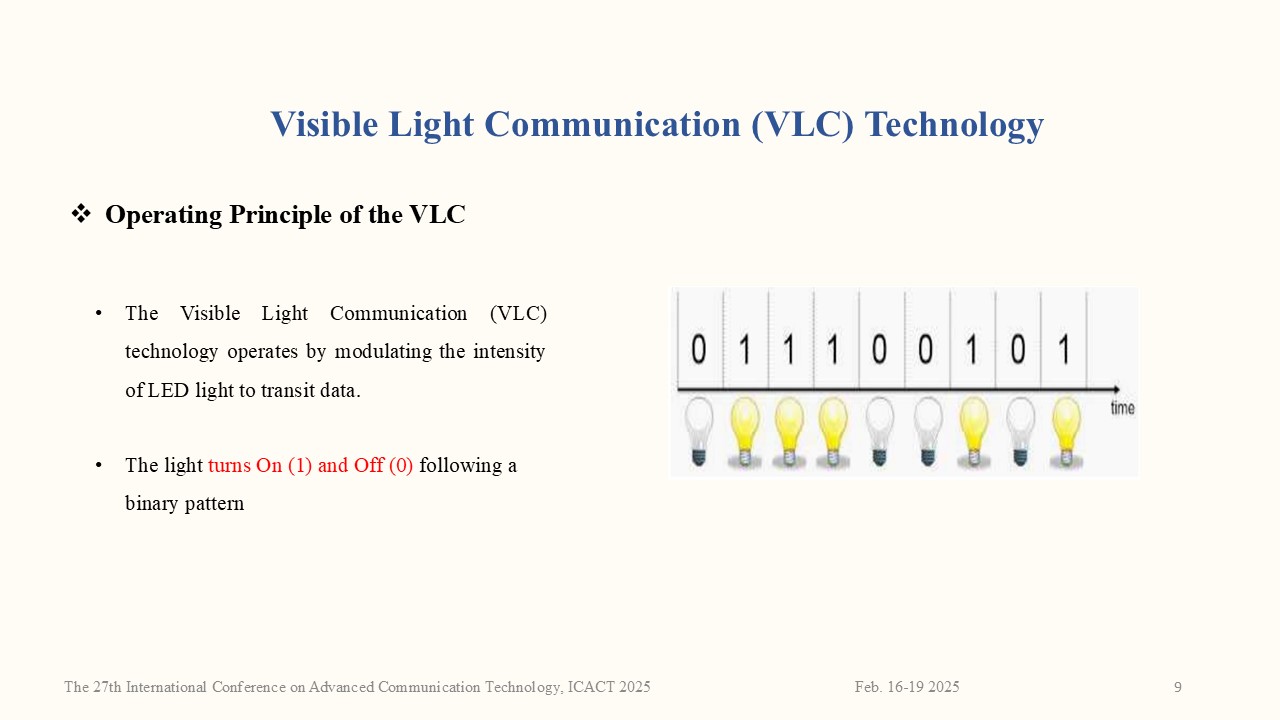 |
Visible Light Communication (VLC) works by using modulated LED light sources to transmit data. These light signals are picked up by a sensor (such as a camera or light detector), which converts them into readable information. In a telehealth monitoring system, sensors measure the patient's vital signs and use light to transmit this data to a computer or phone, which then sends it to doctors. This technology is fast, secure, and does not interfere with other electronic devices.
|
|
ICACT20250082 Slide.08
[Big slide for presentation]
[YouTube] |
Chrome Text-to-Speach Click!! |
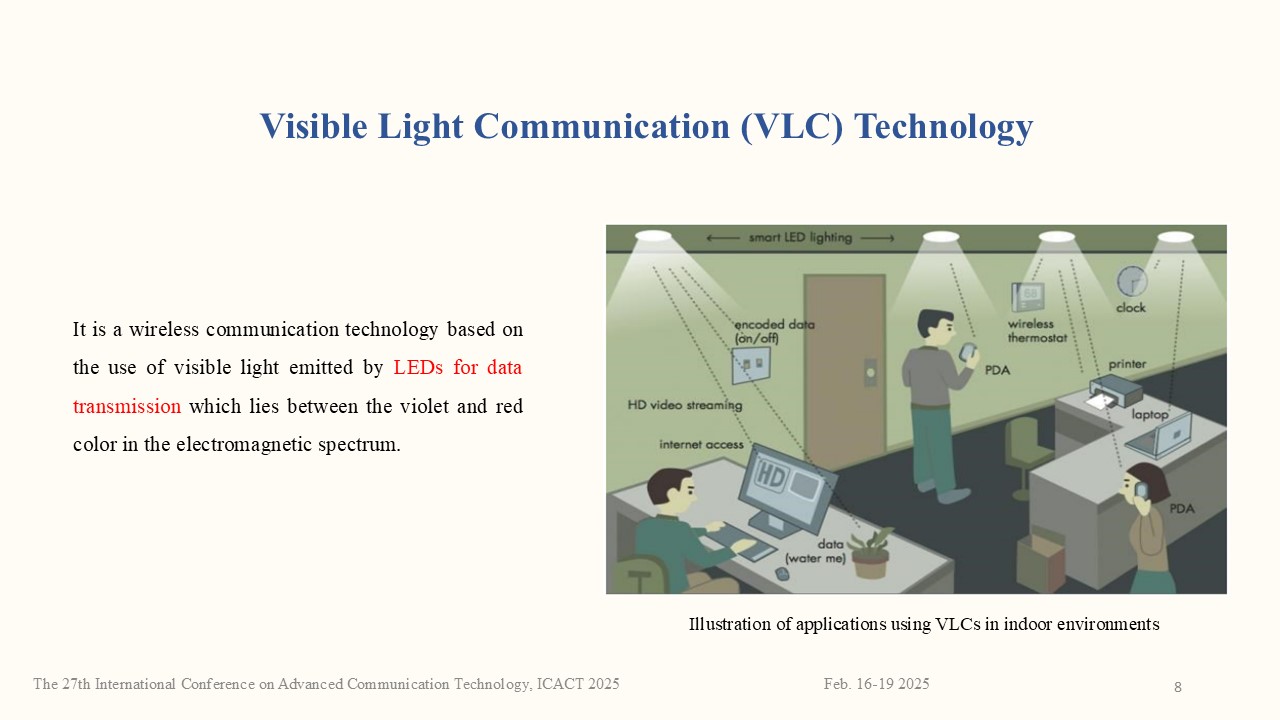 |
Visible Light Communication (VLC) is a wireless communication technology that uses the visible light spectrum (between 400 and 800 THz) to transmit information. It is mainly based on the use of light-emitting diodes (LEDs) that simultaneously serve as lighting sources and data transmission. These LEDs flash at very high frequencies, imperceptible to the human eye, to send digital signals (0 and 1). At the other end, a photodetector or photodiode captures these light variations and translates them into data that can be used by a receiver.
|
|
ICACT20250082 Slide.07
[Big slide for presentation]
[YouTube] |
Chrome Text-to-Speach Click!! |
 |
The main contributions of this article are:
• Comprehensive review summarizing the architecture, applications and different types of VLC transceivers used in RPMS
• To provide a literature overview on the state of the art of remote patient monitoring systems based on VLC technology.
• Overview of challenges in using VLC technology in remote patient monitoring systems and future directions
|
|
ICACT20250082 Slide.06
[Big slide for presentation]
[YouTube] |
Chrome Text-to-Speach Click!! |
 |
Our Contributions
|
|
ICACT20250082 Slide.05
[Big slide for presentation]
[YouTube] |
Chrome Text-to-Speach Click!! |
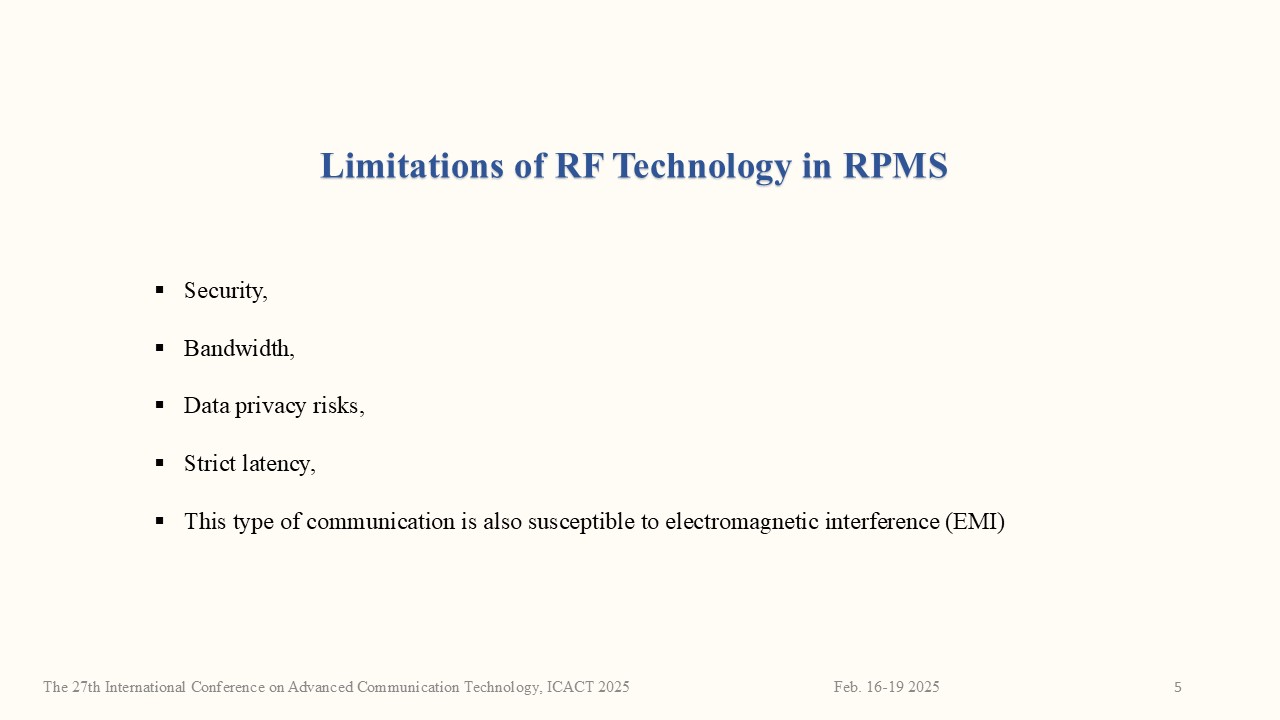 |
Although radio frequency (RF) is widely used in medical data transmission, it has several limitations. First, it is prone to electromagnetic interference, especially in hospital environments where many wireless devices coexist. Second, the power consumption of RF systems can be high, which limits their autonomy, especially for wearable sensors. In addition, RF poses challenges in terms of security and data confidentiality, as signals can be intercepted or jammed. Finally, in confined environments, the propagation of RF waves can be altered by obstacles, thus affecting the quality of the transmission.
With the increase in connected healthcare devices and demand for remote monitoring, it is crucial to explore alternatives that offer better security, wider bandwidth, and reduced interference and for this visible light communication (VLC) is a promising solution.
|
|
ICACT20250082 Slide.04
[Big slide for presentation]
[YouTube] |
Chrome Text-to-Speach Click!! |
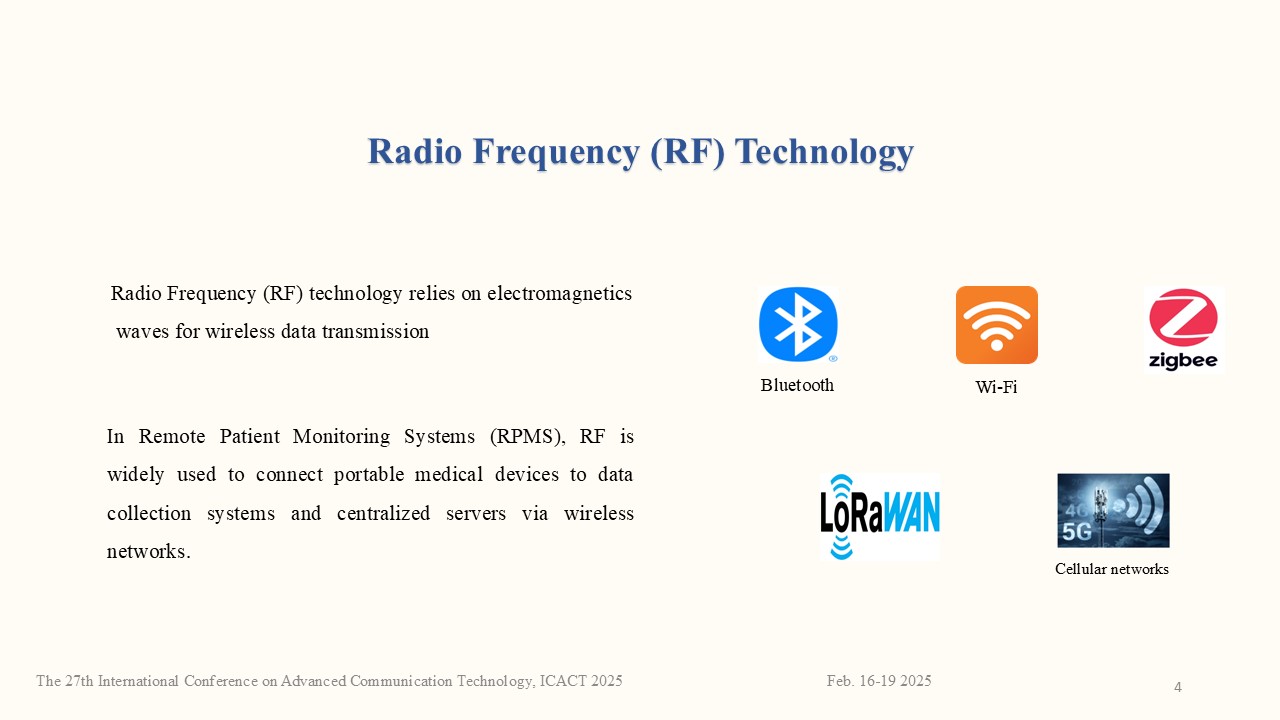 |
Radio frequency (RF) is a wireless communication technology that uses electromagnetic waves to transmit data over varying distances, from a few meters like Bluetooth, Wi-Fi to several kilometers like mobile networks. In the context of remote patient monitoring systems (RPMS), RF is widely used to connect portable medical devices to data collection systems and centralized servers via wireless networks.
|
|
ICACT20250082 Slide.03
[Big slide for presentation]
[YouTube] |
Chrome Text-to-Speach Click!! |
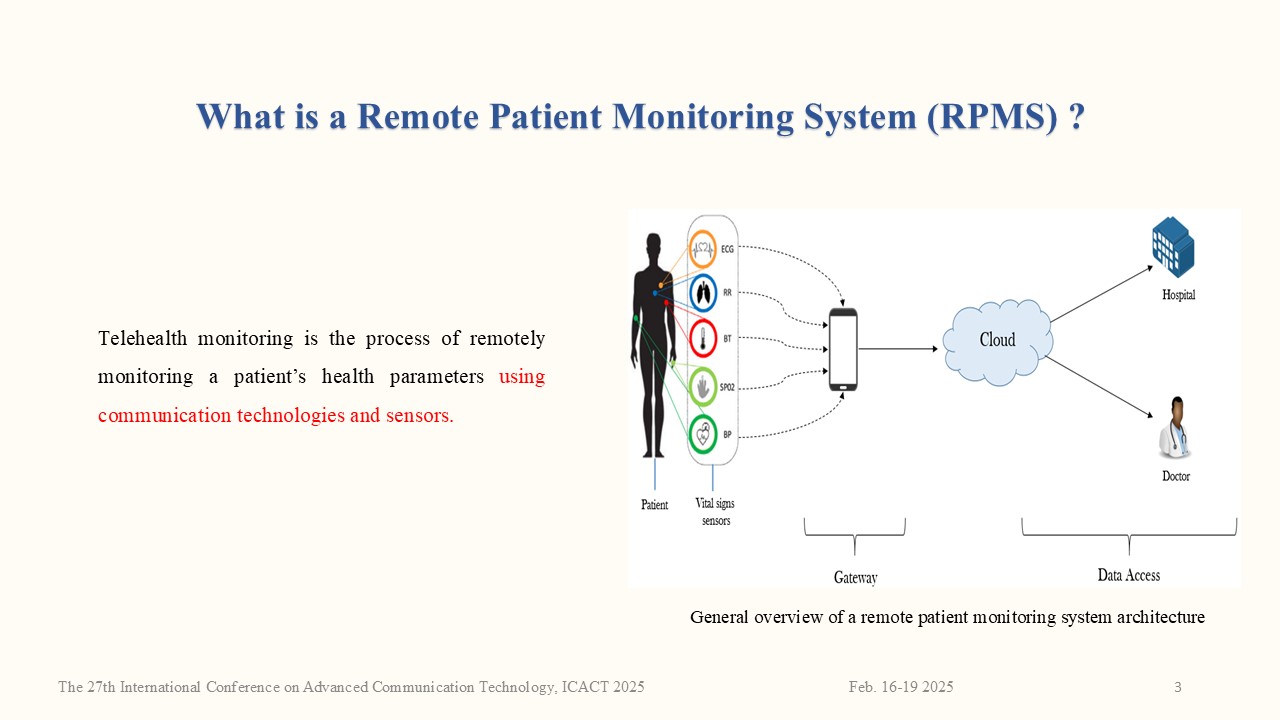 |
A remote patient monitoring system (RPMS) enables real-time monitoring of patient health parameters. This remote patient monitoring system (RPMS) relies on the use of biomedical sensors embedded in the patient to measure vital parameters such as ECG, respiratory rate, body temperature, oxygen saturation, and blood pressure. The data collected is transmitted via a mobile device to a cloud platform, where it is accessible to doctors and hospitals for real-time analysis. This architecture, which relies on advanced communication and data processing technologies, improves medical responsiveness and optimizes remote care management.
|
|
ICACT20250082 Slide.02
[Big slide for presentation]
[YouTube] |
Chrome Text-to-Speach Click!! |
 |
1. Operating principle of VLC
2. Using VLC in RPMS
3. Challenges and Perspectives of VLC in RPMS
|
|
ICACT20250082 Slide.01
[Big slide for presentation]
[YouTube] |
Chrome Text-to-Speach Click!! |
 |
Thank you for giving me the floor. Gentlemen of the jury, dear guests, good morning. It is an honor for me today to present my research work on: VLC technology in remote patient monitoring systems. The presentation will therefore be structured around these three main points, namely:
|
















