 ICACT20240384 Slide.15
[Big slide for presentation] |
Chrome Text-to-Speach Click!! |
 |
Thank you for your attendance and presence.
|
|
ICACT20240384 Slide.14
[Big slide for presentation]
|
Chrome Text-to-Speach Click!! |
 |
For future work, we aim to integrate diverse data sources, including genomic, clinical, and imaging data (MRI, CT scans), to potentially enhance model accuracy through multi-modal analysis. Additionally, our focus will be on creating models that provide interpretations or justifications for their predictions, crucial for understanding clinical decision-making. Collaborating with clinicians for model validation across varied patient populations and real-world clinical settings is essential to assess generalizability. Encouraging data sharing among researchers and institutions to build larger, more diverse datasets is also part of our future endeavors, aiming to improve model robustness and applicability.
|
|
ICACT20240384 Slide.13
[Big slide for presentation]
|
Chrome Text-to-Speach Click!! |
 |
In conclusion, our study successfully employed three machine learning models to classify and predict axillary lymph node metastasis. These models provided precise and interpretable predictions, offering valuable assistance to doctors in tailoring treatment plans based on individual prognoses. By considering diverse patient factors, our models contribute to a comprehensive understanding of axillary lymph node involvement, facilitating personalized treatment strategies aligned with specific patient needs. This method represents a significant advancement in patient care, leveraging machine learning for tailored prognostic assessments.
|
|
ICACT20240384 Slide.12
[Big slide for presentation]
|
Chrome Text-to-Speach Click!! |
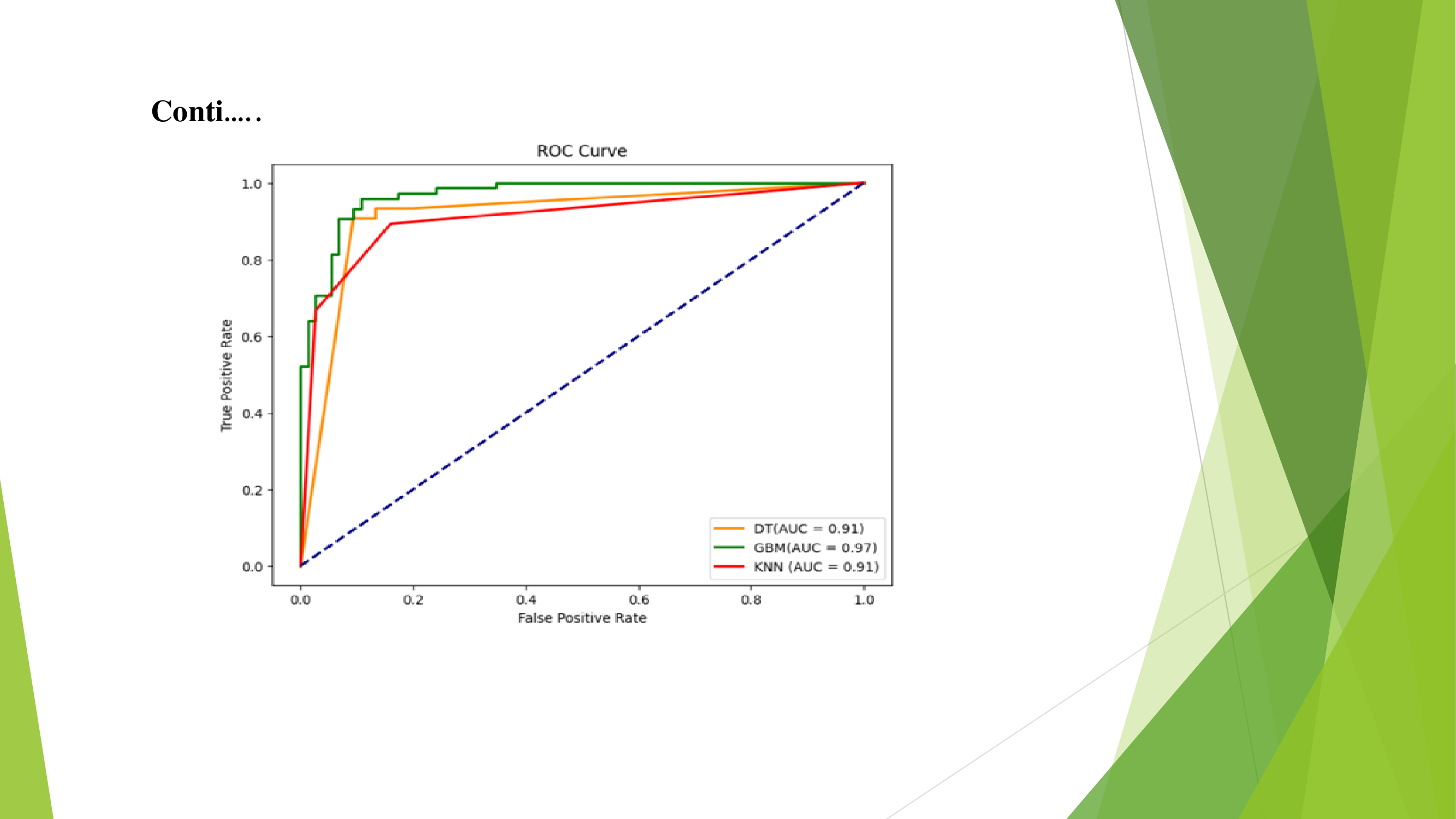 |
In this slide we drew the roc curve of the all of the three applied machine learning model and compare it accuracy on the data to observe how well the implied model is working and learning the patterns with in the data as you can see in the result all of the three model achieved a satisfied outcome and the GBM performed well among them all.
|
|
ICACT20240384 Slide.11
[Big slide for presentation]
|
Chrome Text-to-Speach Click!! |
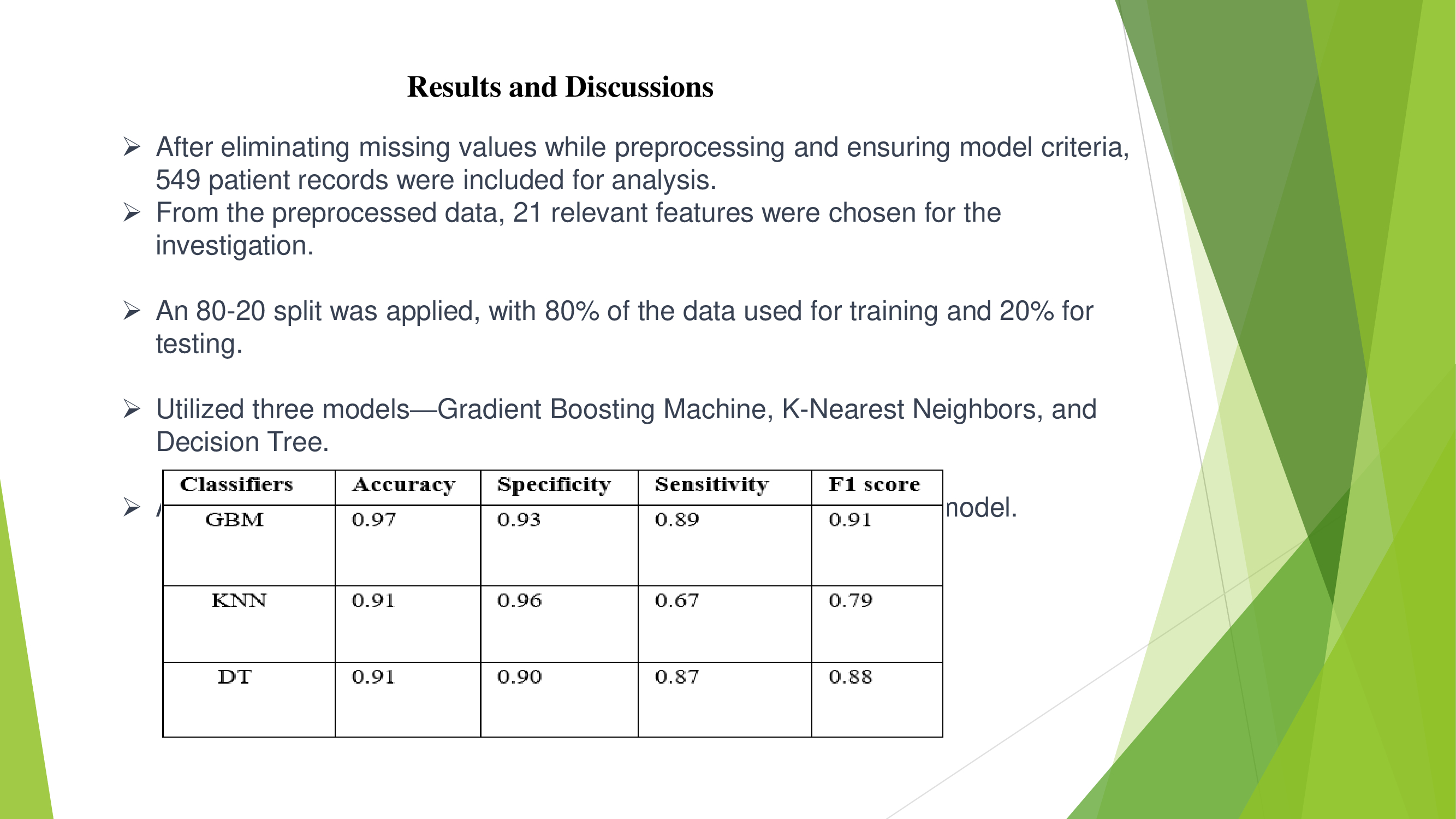 |
In the Results and Discussions section, we included 549 patient records for analysis after eliminating missing values during preprocessing. The investigation focused on 21 relevant features from the preprocessed data. Employing an 80-20 split for training and testing, we used three models—Gradient Boosting Machine, K-Nearest Neighbors, and Decision Tree. The evaluation involved calculating accuracy, specificity, and recall metrics for each model, providing a comprehensive analysis of their performance in predicting axillary lymph node metastases.
|
|
ICACT20240384 Slide.10
[Big slide for presentation]
|
Chrome Text-to-Speach Click!! |
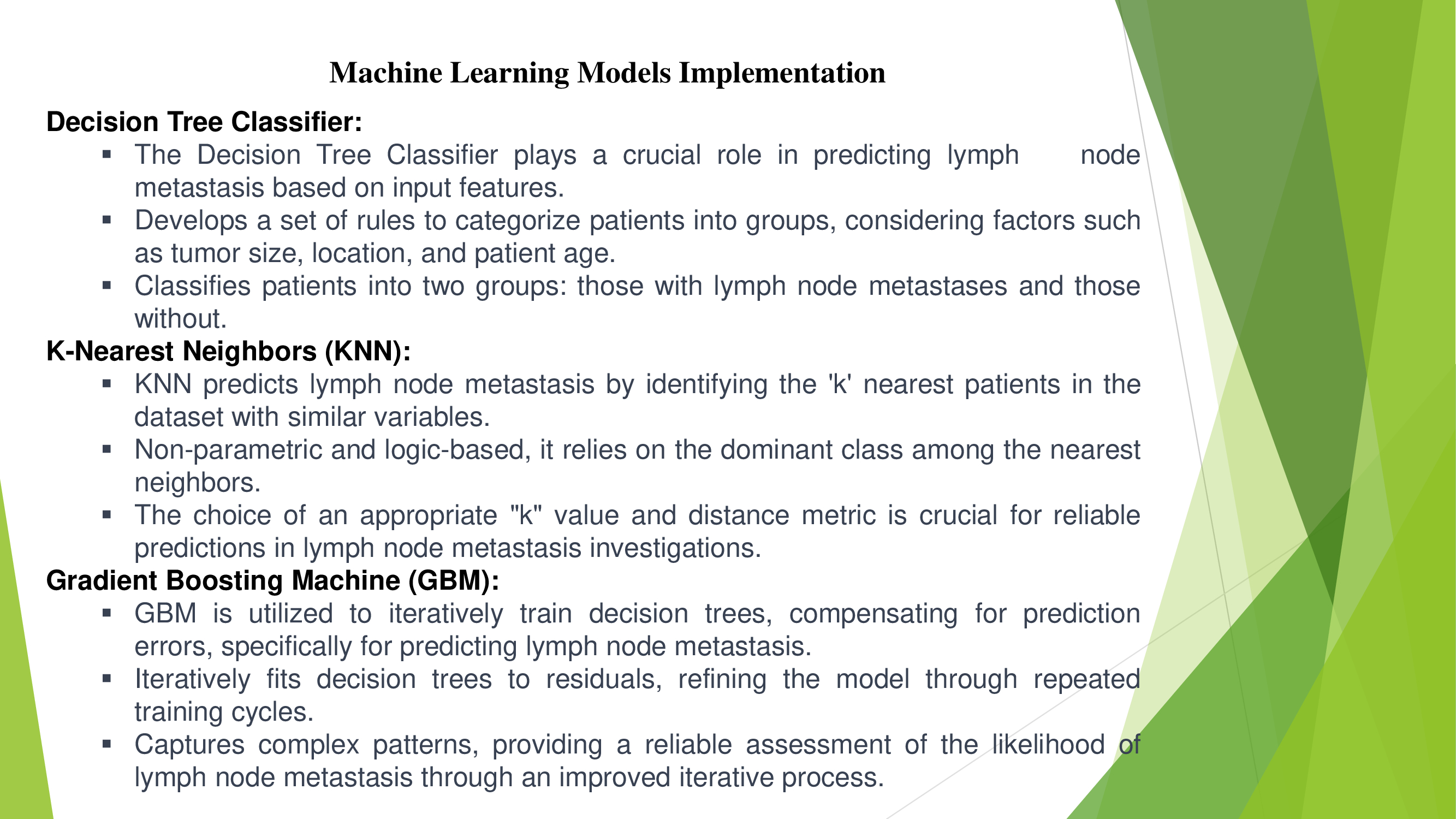 |
This slide details the implementation of three machine learning models:
Decision Tree Classifier:
Crucial for predicting lymph node metastasis based on input features.
Develops rules using factors like tumor size, location, and age.
Classifies patients into groups with or without lymph node metastases.
K-Nearest Neighbors (KNN):
Predicts metastasis by identifying 'k' nearest patients with similar variables.
Non-parametric and logic-based, relying on the dominant class among neighbors.
Critical choice of "k" value and distance metric for reliable predictions.
Gradient Boosting Machine (GBM):
Iteratively trains decision trees, compensating for prediction errors.
Fits trees to residuals in repeated cycles, capturing complex patterns.
Enhances the model through an iterative process for a reliable assessment of lymph node metastasis likelihood.
|
|
ICACT20240384 Slide.09
[Big slide for presentation]
|
Chrome Text-to-Speach Click!! |
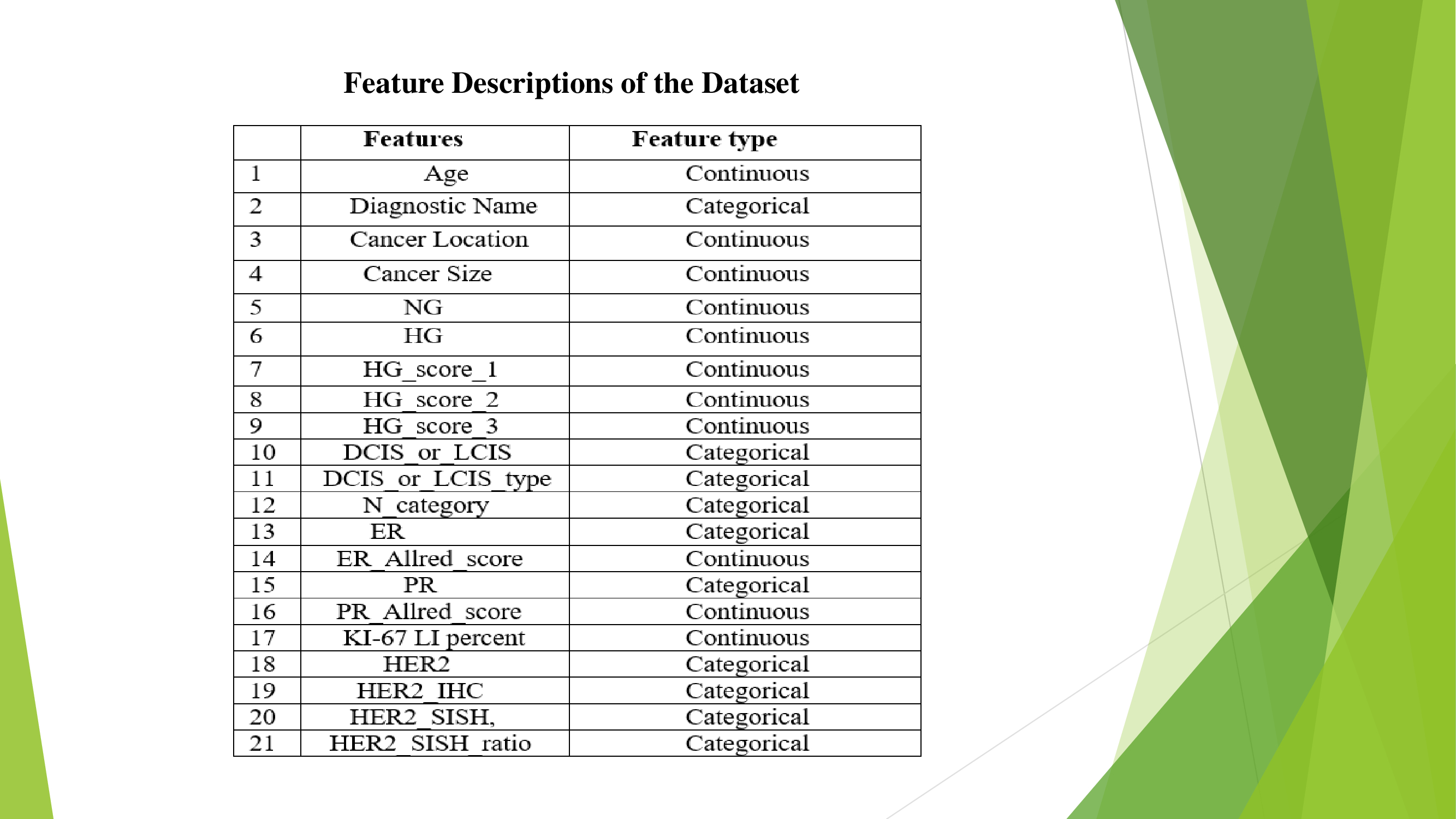 |
On this slide, we present a comprehensive overview of the features in our dataset, organized into two columns: Feature and Feature Type. The features range from 'Age' marked as continuous to 'HER2_SISH_ratio' categorized as categorical. In between, we have features such as 'Diagnostic name' and 'Cancer location' marked as categorical, while 'Cancersize,' 'NG,' and 'HG' are identified as continuous variables. This categorization provides a clear understanding of the nature of each feature, whether it involves continuous measurements or falls into categorical classifications, facilitating a nuanced exploration of the dataset's characteristics
|
|
ICACT20240384 Slide.08
[Big slide for presentation]
|
Chrome Text-to-Speach Click!! |
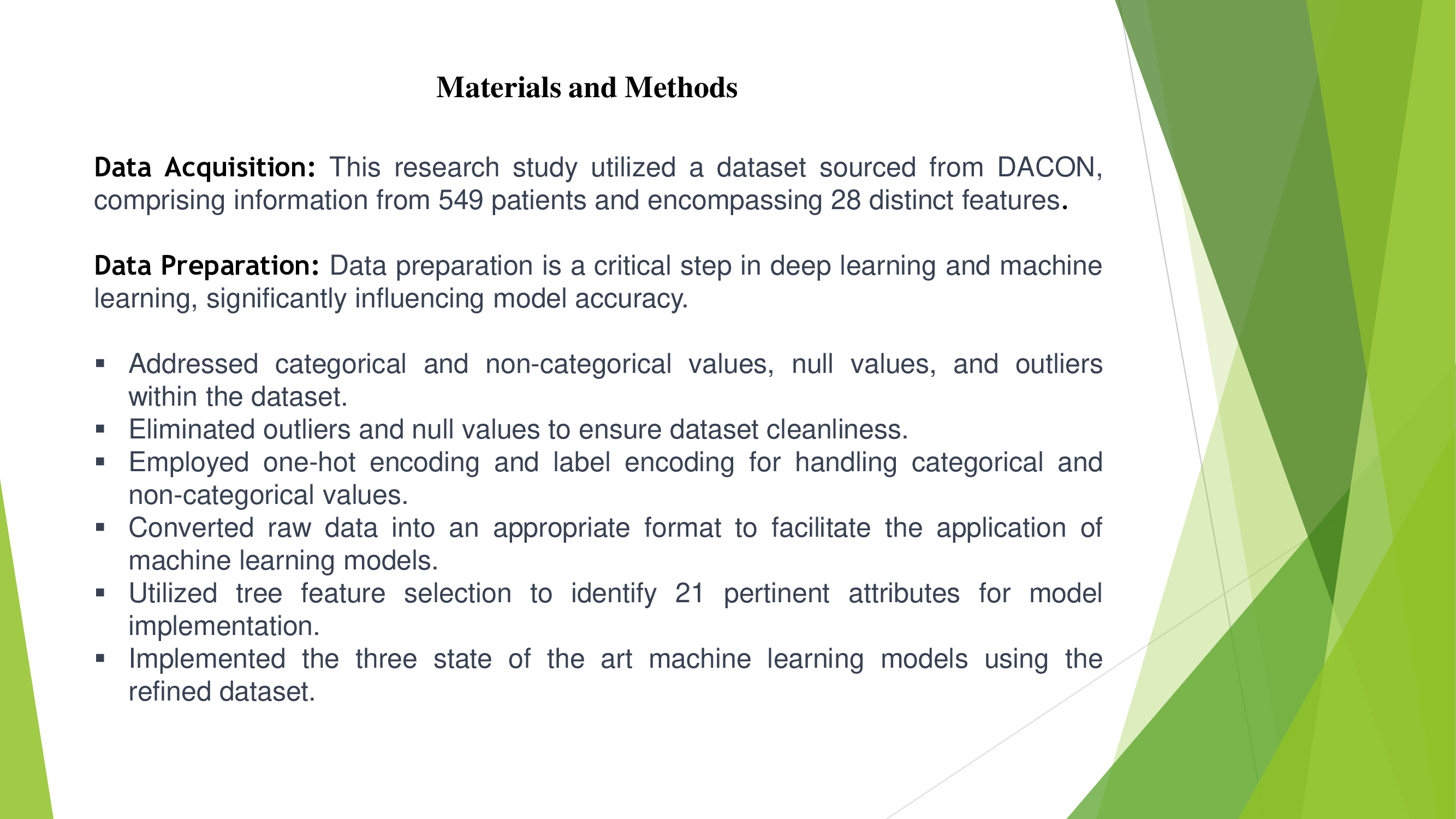 |
In the Materials and Methods section, we utilized a dataset from DACON, encompassing information from 549 patients and 28 features. Data preparation involved addressing categorical and non-categorical values, null values, and outliers, ensuring dataset cleanliness by eliminating outliers and null values. We applied one-hot encoding and label encoding for categorical and non-categorical values, respectively, and converted raw data into a suitable format for machine learning models. Tree feature selection was employed to identify 21 pertinent attributes, and we implemented three state-of-the-art machine learning models using the refined dataset. This meticulous approach in data preparation lays the foundation for accurate model training and evaluation.
|
|
ICACT20240384 Slide.07
[Big slide for presentation]
|
Chrome Text-to-Speach Click!! |
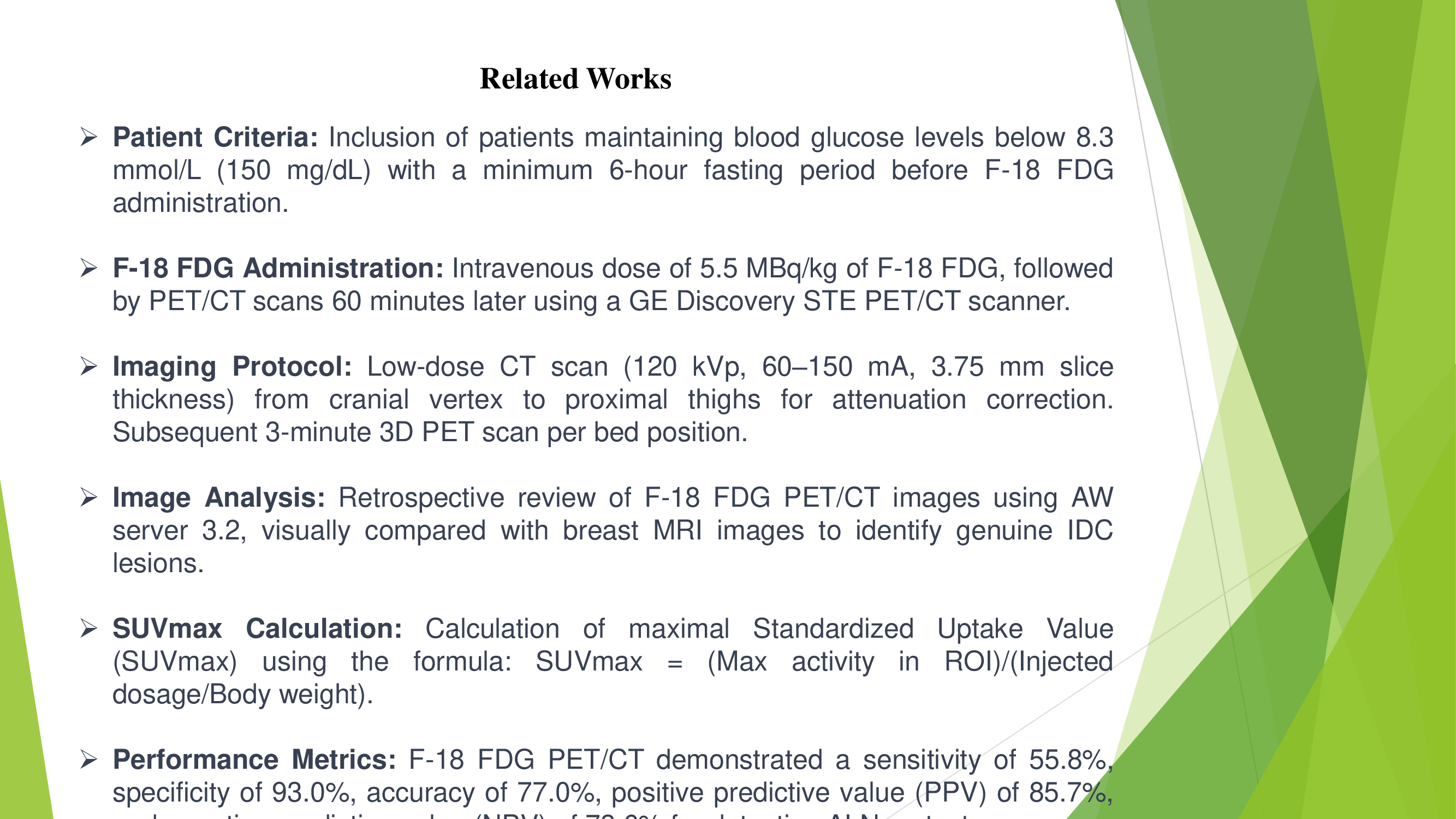 |
This slide outlines the methodology employed in related works, specifically focusing on patient criteria, F-18 FDG administration, imaging protocol, image analysis, SUVmax calculation, and performance metrics. Patient inclusion involved maintaining blood glucose levels below 8.3 mmol/L with a minimum fasting period. F-18 FDG was administered intravenously, followed by PET/CT scans using a GE Discovery STE PET/CT scanner. The imaging protocol included a low-dose CT scan for attenuation correction and subsequent 3D PET scans. Image analysis retrospectively reviewed F-18 FDG PET/CT images, visually compared with breast MRI images to identify genuine IDC lesions. The maximal Standardized Uptake Value (SUVmax) was calculated using a specific formula. Performance metrics revealed F-18 FDG PET/CT sensitivity of 55.8%, specificity of 93.0%, accuracy of 77.0%, positive predictive value (PPV) of 85.7%, and negative predictive value (NPV) of 73.6% for detecting axillary lymph node metastases.
|
|
ICACT20240384 Slide.06
[Big slide for presentation]
|
Chrome Text-to-Speach Click!! |
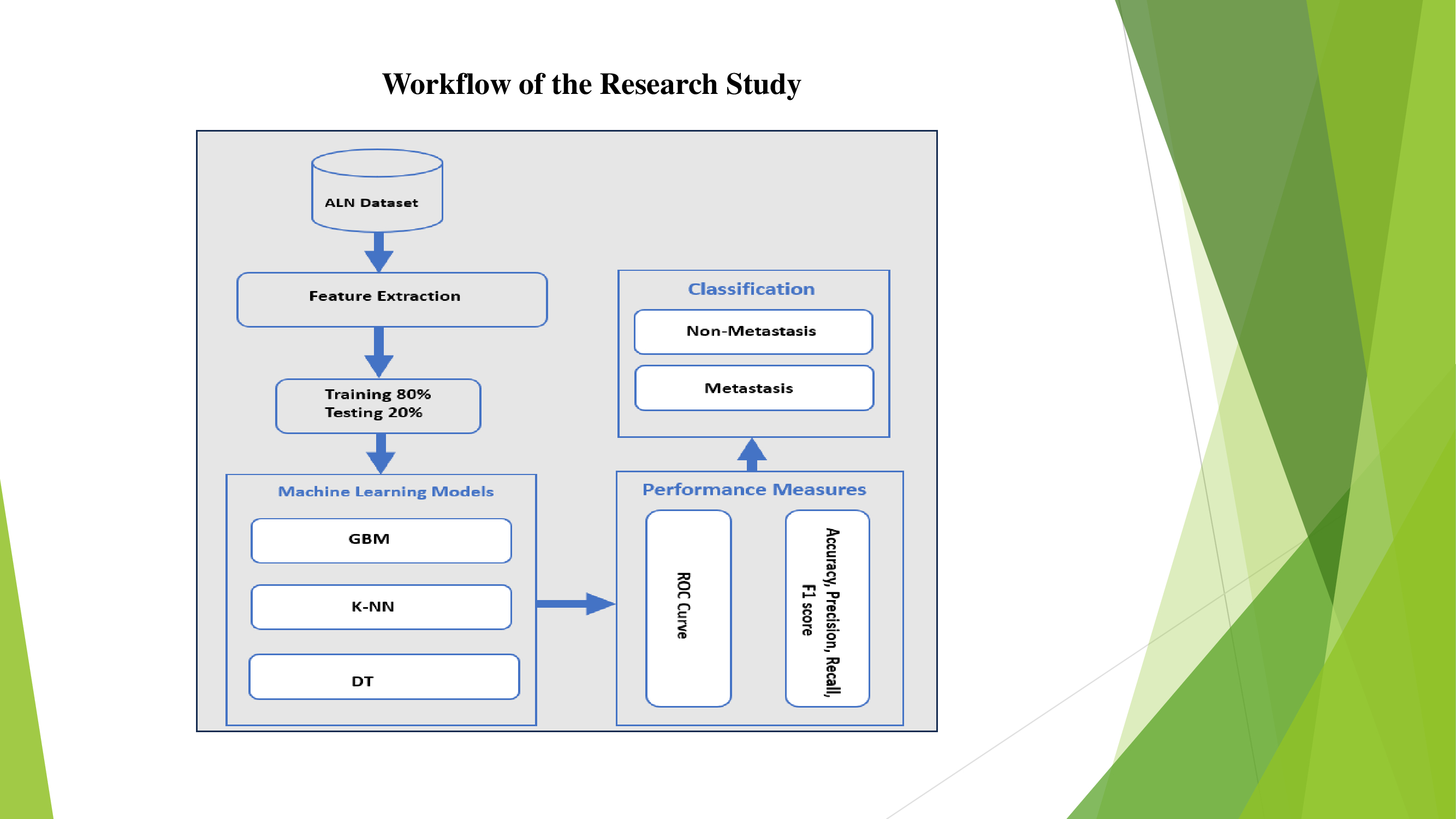 |
In this slide, the workflow of our research study is outlined:
ALN Dataset:
Commencing with the Axillary Lymph Node (ALN) dataset as our foundation.
Feature Extraction:
Conducting feature extraction from the dataset to identify key variables.
Training and Testing Split:
Dividing the dataset into training (80%) and testing (20%) sets for model development and evaluation.
Machine Learning Models:
Applying advanced machine learning models such as Gradient Boosting Machine (GBM), k-Nearest Neighbors (KNN), and Decision Trees (DT).
Performance Measures:
Evaluating model performance through various metrics:
ROC Curve: Assessing the trade-off between sensitivity and specificity.
Accuracy: Measuring overall correctness.
Precision: Calculating the accuracy of positive predictions.
Recall: Identifying the proportion of true positives.
F1 Score: Balancing precision and recall.
Final Classification:
Concluding with the final classification of metastasis and non-metastasis based on the model's predictions.
|
|
ICACT20240384 Slide.05
[Big slide for presentation]
|
Chrome Text-to-Speach Click!! |
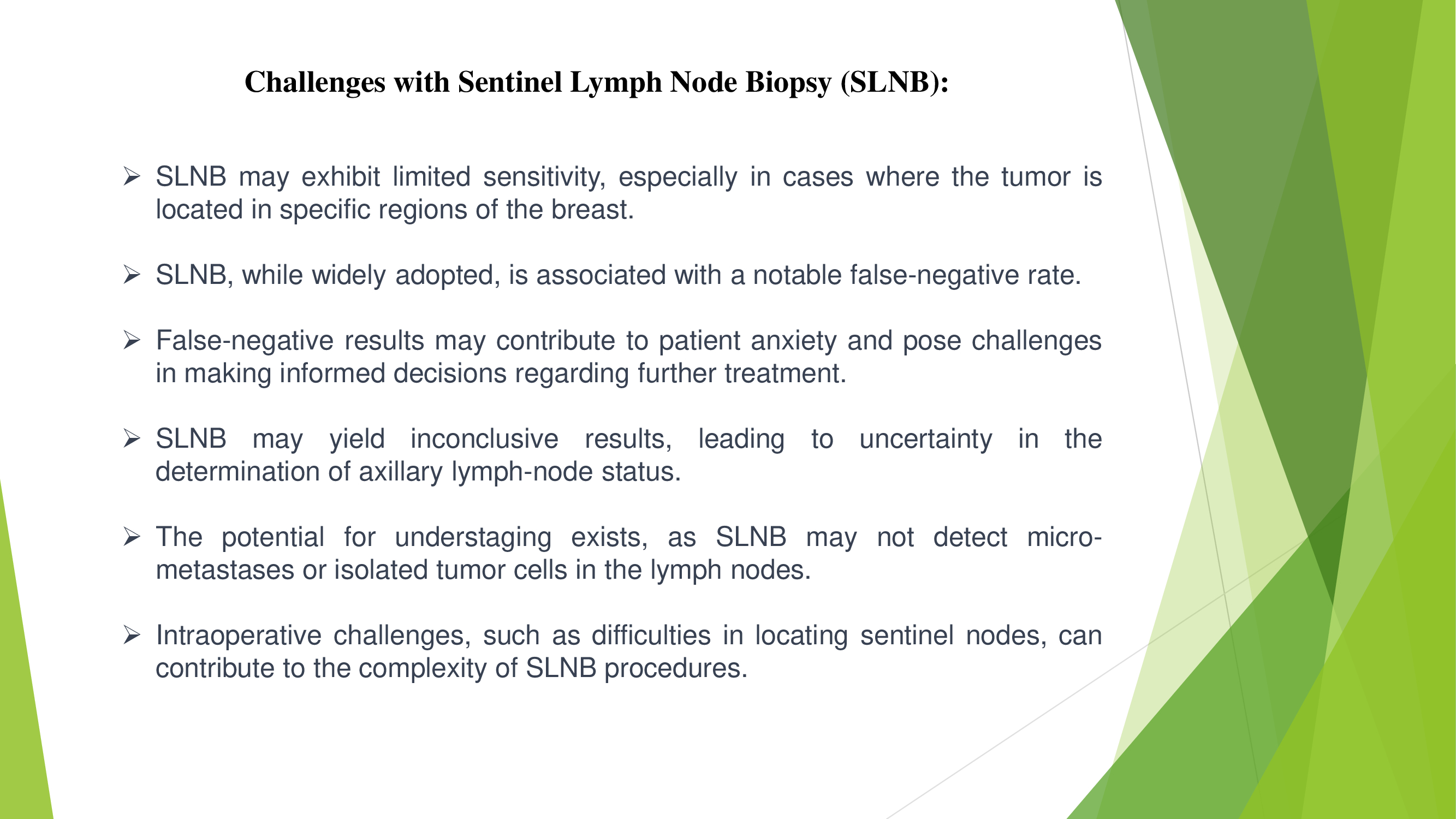 |
• Limited sensitivity, particularly in specific breast regions.
• Associated with a notable false-negative rate.
• False negatives may cause patient anxiety and complicate treatment decisions.
• Potential for inconclusive results, introducing uncertainty in axillary lymph-node status determination.
• Risk of understaging, as SLNB may miss micro-metastases or isolated tumor cells.
• Intraoperative challenges, like locating sentinel nodes, add complexity to SLNB procedures.
|
|
ICACT20240384 Slide.04
[Big slide for presentation]
|
Chrome Text-to-Speach Click!! |
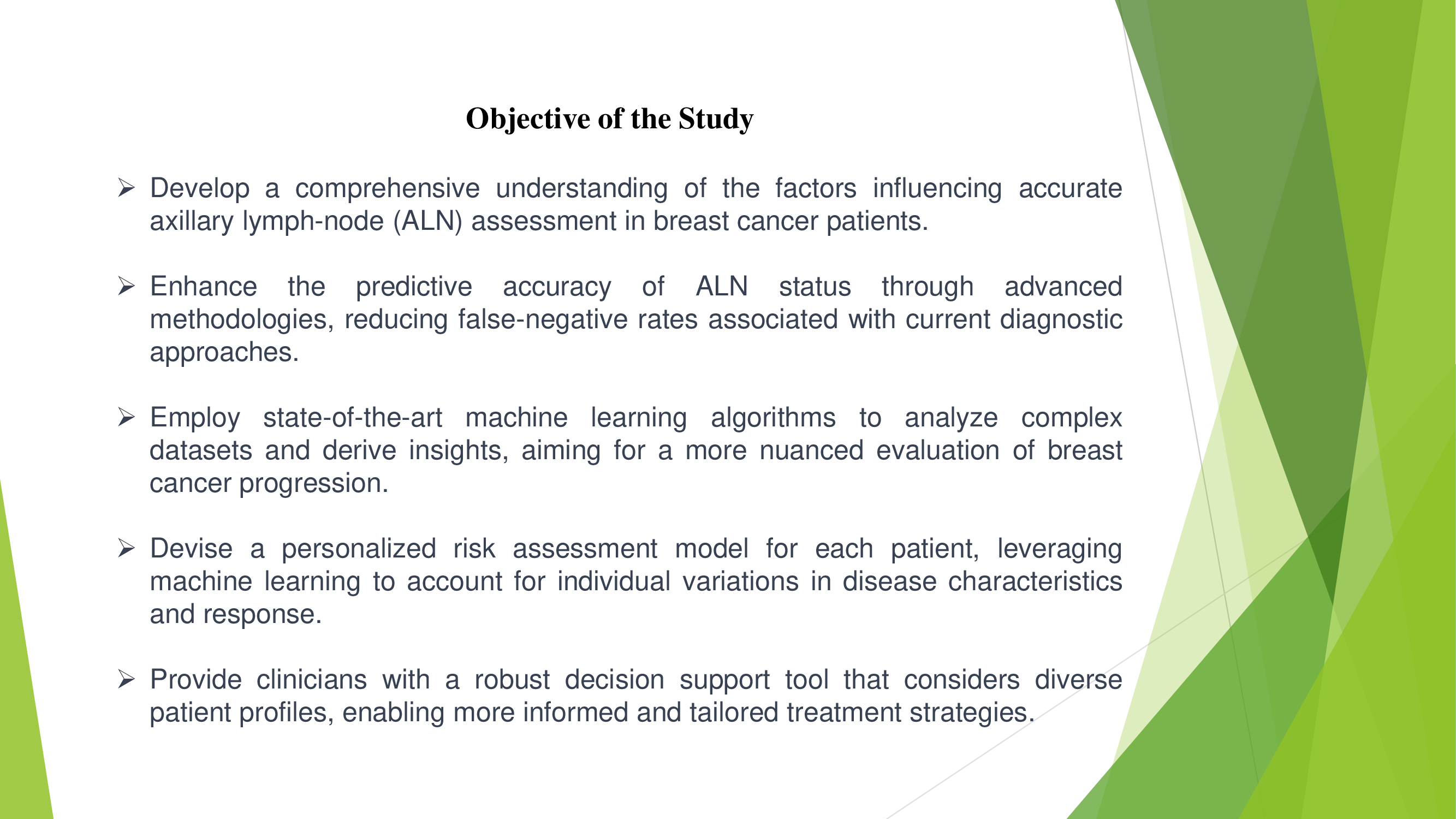 |
our objective is to develop a comprehensive understanding of the factors influencing accurate axillary lymph-node (ALN) assessment in breast cancer patients. We aim to enhance the predictive accuracy of ALN status by employing advanced methodologies, with a specific focus on reducing false-negative rates associated with current diagnostic approaches. To achieve this, we are leveraging state-of-the-art machine learning algorithms to analyze complex datasets, allowing for a more nuanced evaluation of breast cancer progression. The study aims to provide clinicians with a robust decision support tool.
|
|
ICACT20240384 Slide.03
[Big slide for presentation]
|
Chrome Text-to-Speach Click!! |
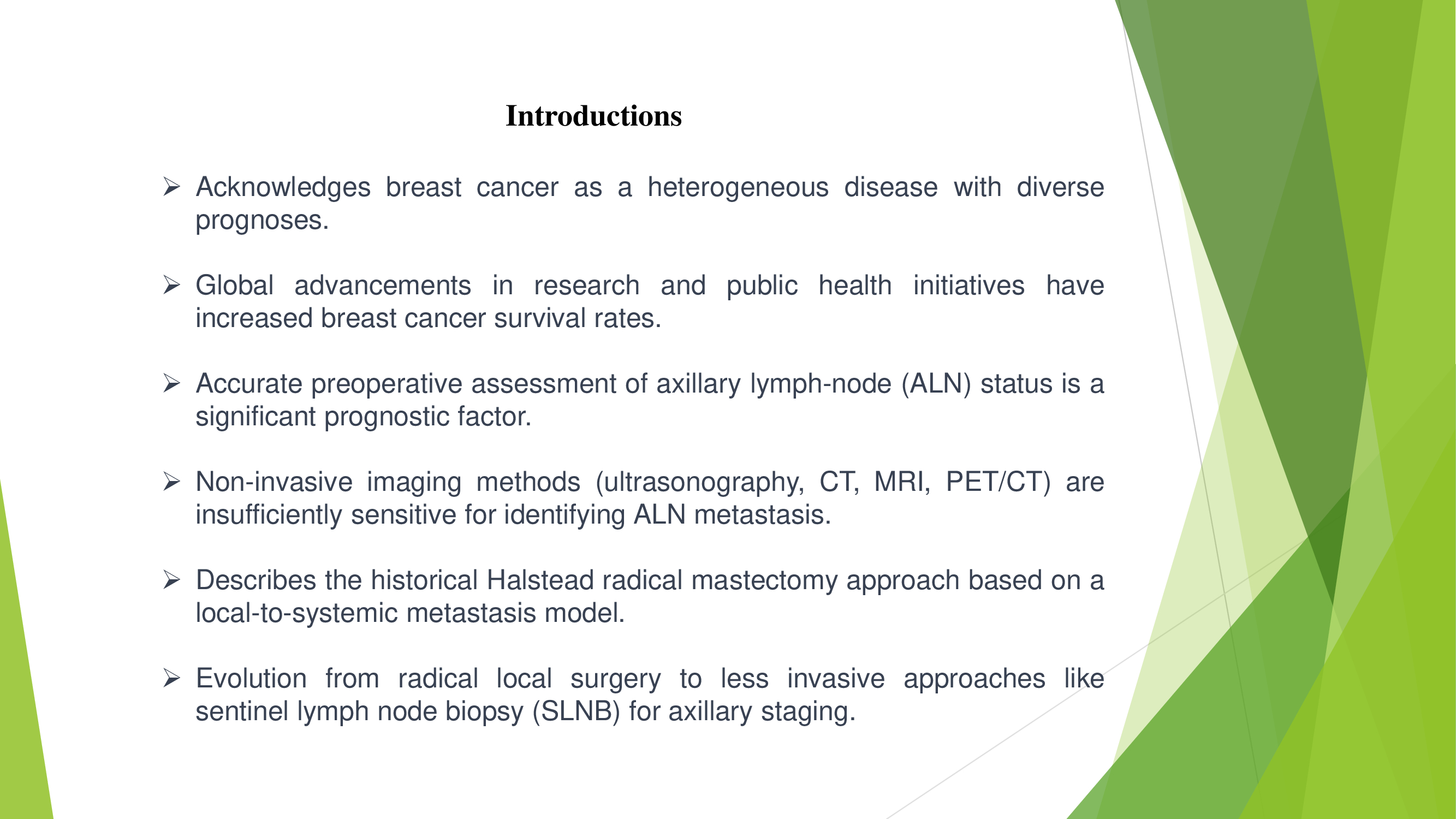 |
we acknowledge breast cancer as a heterogeneous disease with diverse prognoses. We highlight global advancements in research and public health initiatives that have significantly increased breast cancer survival rates. Emphasizing the importance of accurate preoperative assessment, we recognize the role of axillary lymph-node (ALN) status as a significant prognostic factor in breast cancer. we discuss the limitations of non-invasive imaging methods such as ultrasonography, CT, MRI, and PET/CT, which are found to be insufficiently sensitive for identifying ALN metastasis. This sets the stage for our study, where we aim to address these challenges using machine learning techniques.
|
|
ICACT20240384 Slide.02
[Big slide for presentation]
|
Chrome Text-to-Speach Click!! |
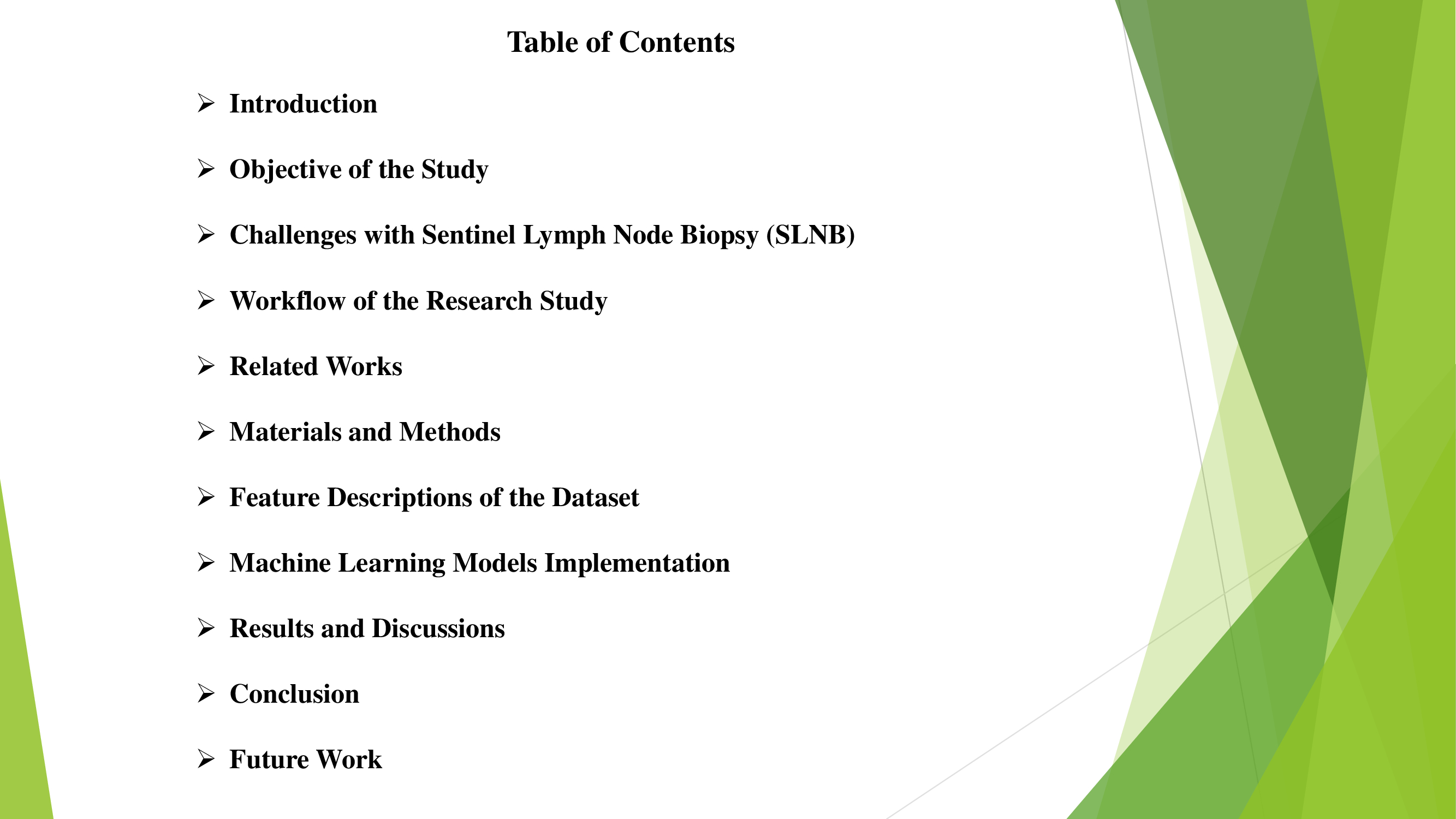 |
we have a comprehensive overview of the contents that will be covered in today's presentation. We will begin with an introduction to set the context, followed by a clear outline of the study's objective. We'll explore the challenges associated with Sentinel Lymph Node Biopsy (SLNB) and then walk through the entire workflow of our research study. Additionally, we'll discuss related works in the field, dive into the materials and methods employed, and provide detailed descriptions of the features within our dataset. The implementation of machine learning models will be explained, leading us to the results and discussions section. Finally, we'll wrap up with the conclusion and touch upon potential future work.
|
|
ICACT20240384 Slide.01
[Big slide for presentation]
|
Chrome Text-to-Speach Click!! |
 |
Hi everyone, I am Maisam Ali a master¡¯s student at Inje University. Today I am standing before you to present the topic subjected to Machine learning based techniques for the Prediction of axillary lymph node metastases in early breast cancer. The prediction of axillary lymph node metastases in early breast cancer is a critical aspect of breast cancer management. Axillary lymph nodes are a common site for the spread of breast cancer cells, and determining whether these nodes are involved helps guide treatment decisions and prognosis.
|
















