Now 5749 visitors
Today:0 Yesterday:0
Total: 148516
212S 50P 4R
2026-10-20, Week 43 |
| Member Login |
| TACT Journal Homepage |
| Call for Paper |
| Committee |
| Find My Paper |
| Author Homepage |
| Statistics & History |
| Welcome Message |
| Paper Procedure |
| FAQ |
| Paper Archives |
| Outstanding Papers |
| Author Homepage |
| - Paper Procedure |
| - Journal Procedure |
| - Presentation Tips |
|
| Program & Proceedings |
| Program with Papers |
| Plenary Session |
| Tutorial Session |
|
| Presentation Platform |
| Hotel & Travel Info |
| About Korea |
| Accommodation |
| Transportation |
| VISA |
| Other Infomation |
|
| Photo Gallery |
| Scheduler Login |
| Seminar |
| Archives Login |
|
| Sponsors |

|

|

|

|

|

|

|

|

|

|
|
|
|
|
 ICACT20240447 Slide.00
[Big Slide]
[YouTube] |
Chrome  Click!! |
 |
Good day everyone, in behalf of my colleagues, we thank you for this opportunity to present our paper entitled “Transforming Education Policy: Evaluating UAQTE Program Implementation through LDA, BOW, and TF-IDF”, in this 26th International Conference on Advanced Communications Technology. |
| ICACT20240447 Slide.01
[Big Slide]
[YouTube] |
Chrome Click!! |
 |
My presentation outline will be as follows: Background, Objectives, Methods, Results and Discussion, and Conclusions |
| ICACT20240447 Slide.02
[Big Slide]
|
Chrome Click!! |
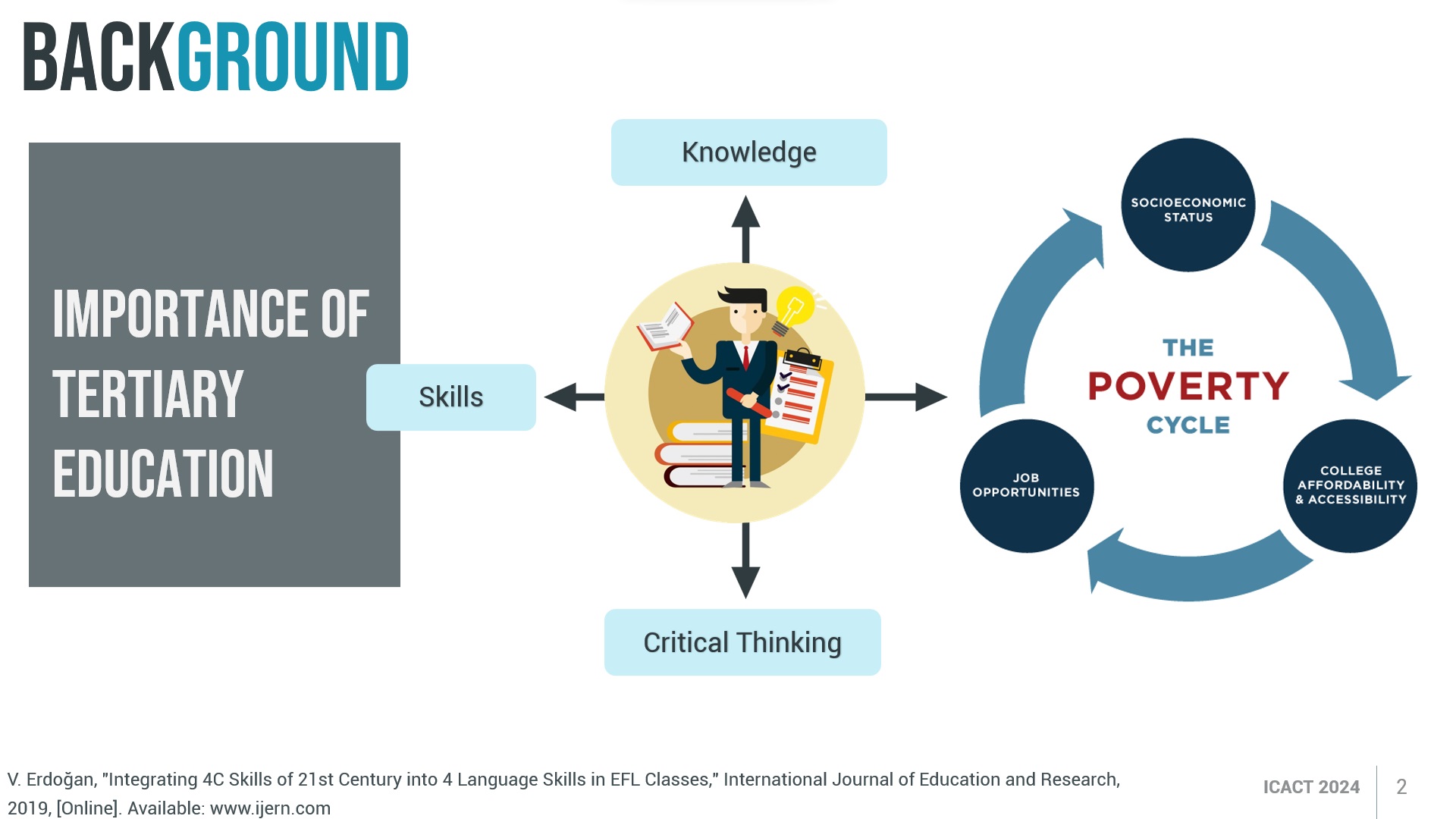 |
Tertiary education equips students with the knowledge, skills, and critical thinking abilities needed to overcome the intricate challenges of today's world. This, in turn, broadens their horizons, offering a wide array of career opportunities and empowering graduates to make meaningful contributions to their communities and nation. It enables individuals to escape the recurring cycle of poverty and propels progress at the national level, thereby playing a crucial role in socioeconomic development. |
| ICACT20240447 Slide.03
[Big Slide]
|
Chrome Click!! |
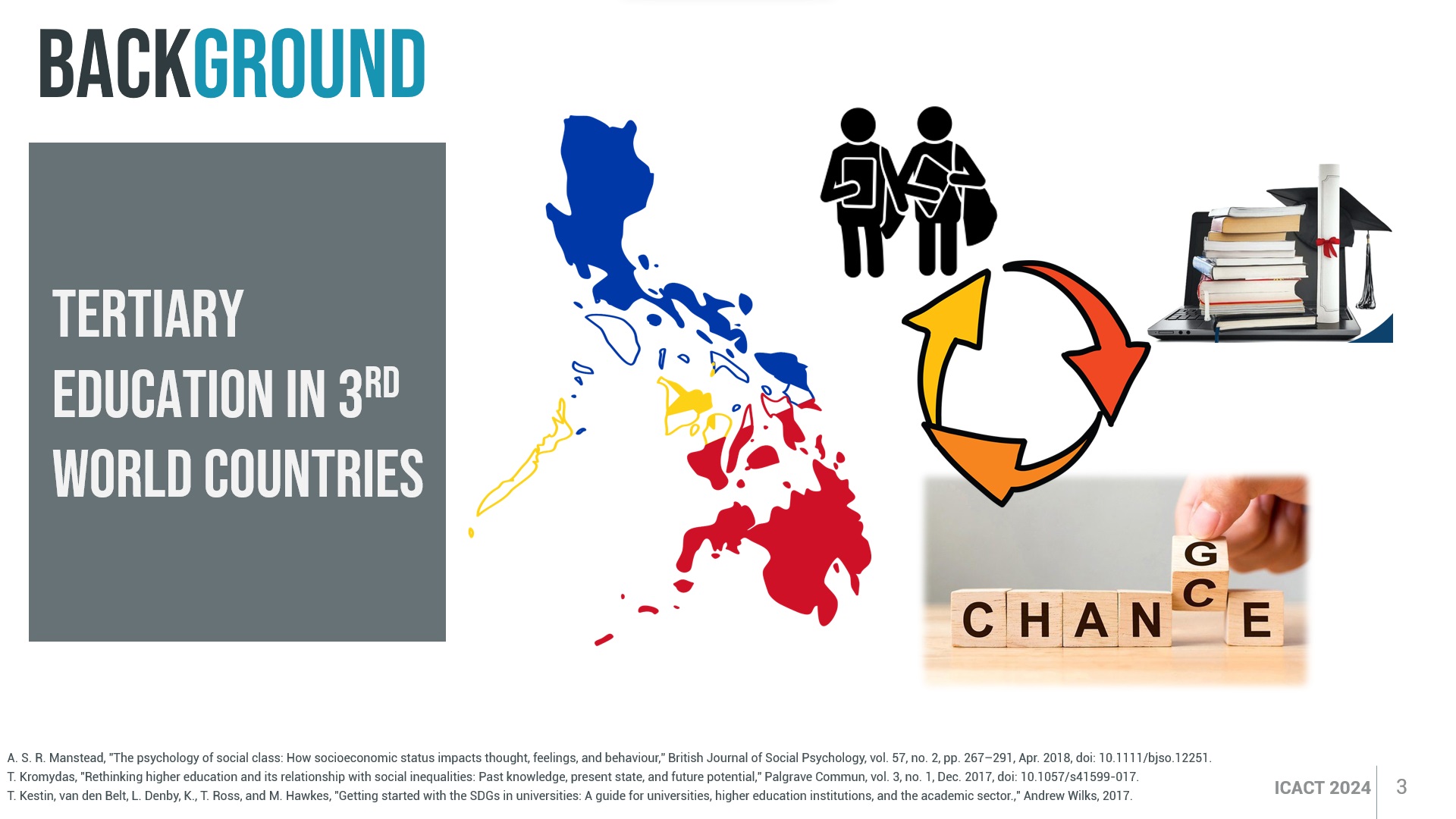 |
Philippines, a nation marked by enduring economic and social disparities, tertiary education takes on a transformative role. It serves as a means of social upward mobility, affording individuals from economically disadvantaged backgrounds the same educational opportunities as their more privileged counterparts. Subsequently, it mitigates disparities and cultivates an environment characterized by inclusivity within the higher education domain, aligning with the broader goal of creating a fair and inclusive society. |
| ICACT20240447 Slide.04
[Big Slide]
|
Chrome Click!! |
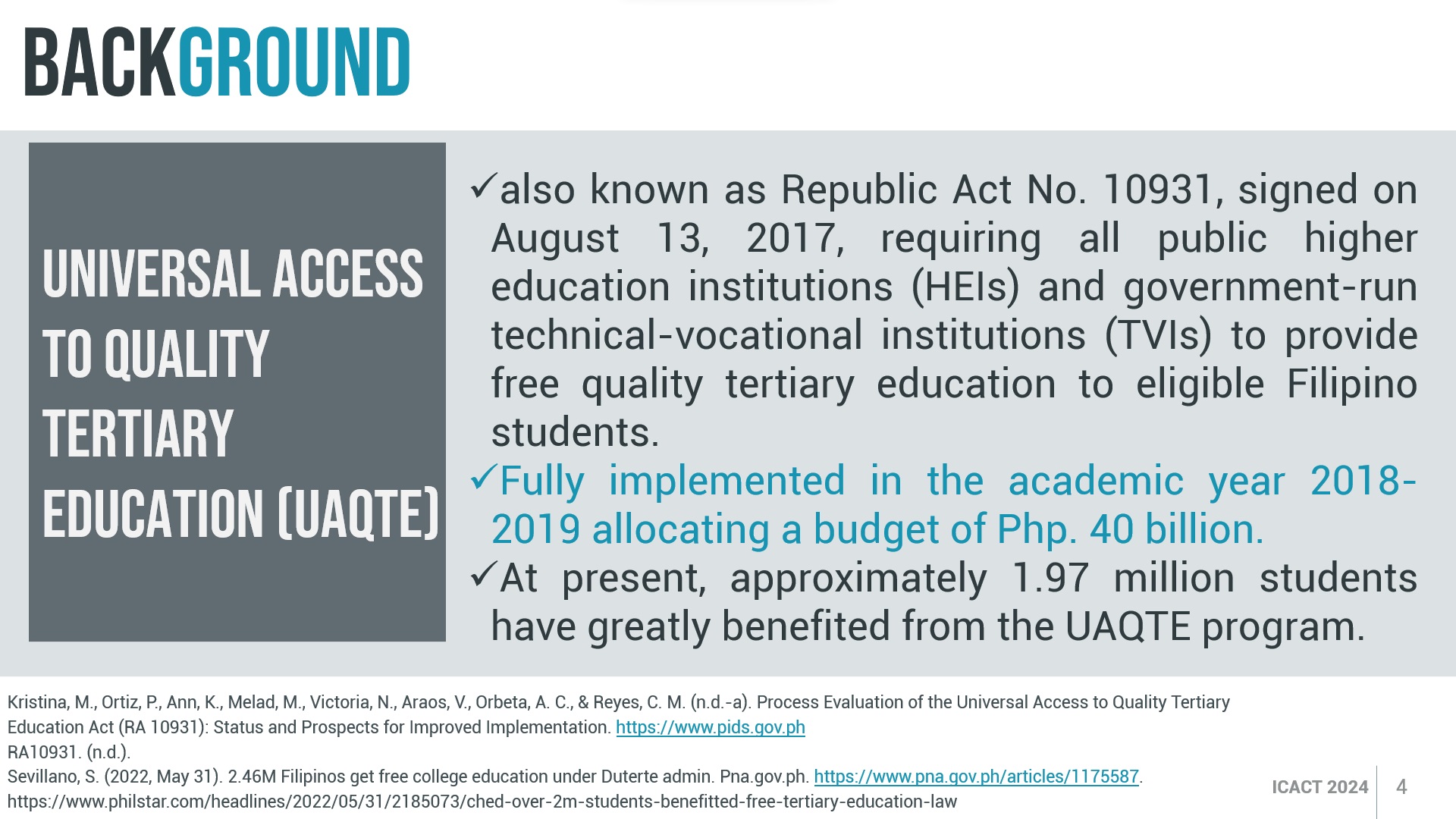 |
Universal Access to Quality Tertiary Education or (UAQTE), also known as Republic Act No. 10931, signed on August 13, 2017, requiring all public higher education institutions (HEIs) and government-run technical-vocational institutions (TVIs) to provide free quality tertiary education to eligible Filipino students. It was fully implemented in the academic year 2018-2019, allocating a budget of Php. 40 billion. At present, approximately 1.97 million students have greatly benefited from the UAQTE program.
|
| ICACT20240447 Slide.05
[Big Slide]
|
Chrome Click!! |
 |
This research aims to leverage topic modeling techniques implementing Latent Dirichlet Allocation (LDA), Bag of Words (BoW), and Term Frequency-Inverse Document Frequency (TF-IDF) to uncover patterns, and correlations within the dataset, providing a comprehensive understanding of the UAQTE program's implementation and its impact on stakeholders. |
| ICACT20240447 Slide.06
[Big Slide]
|
Chrome Click!! |
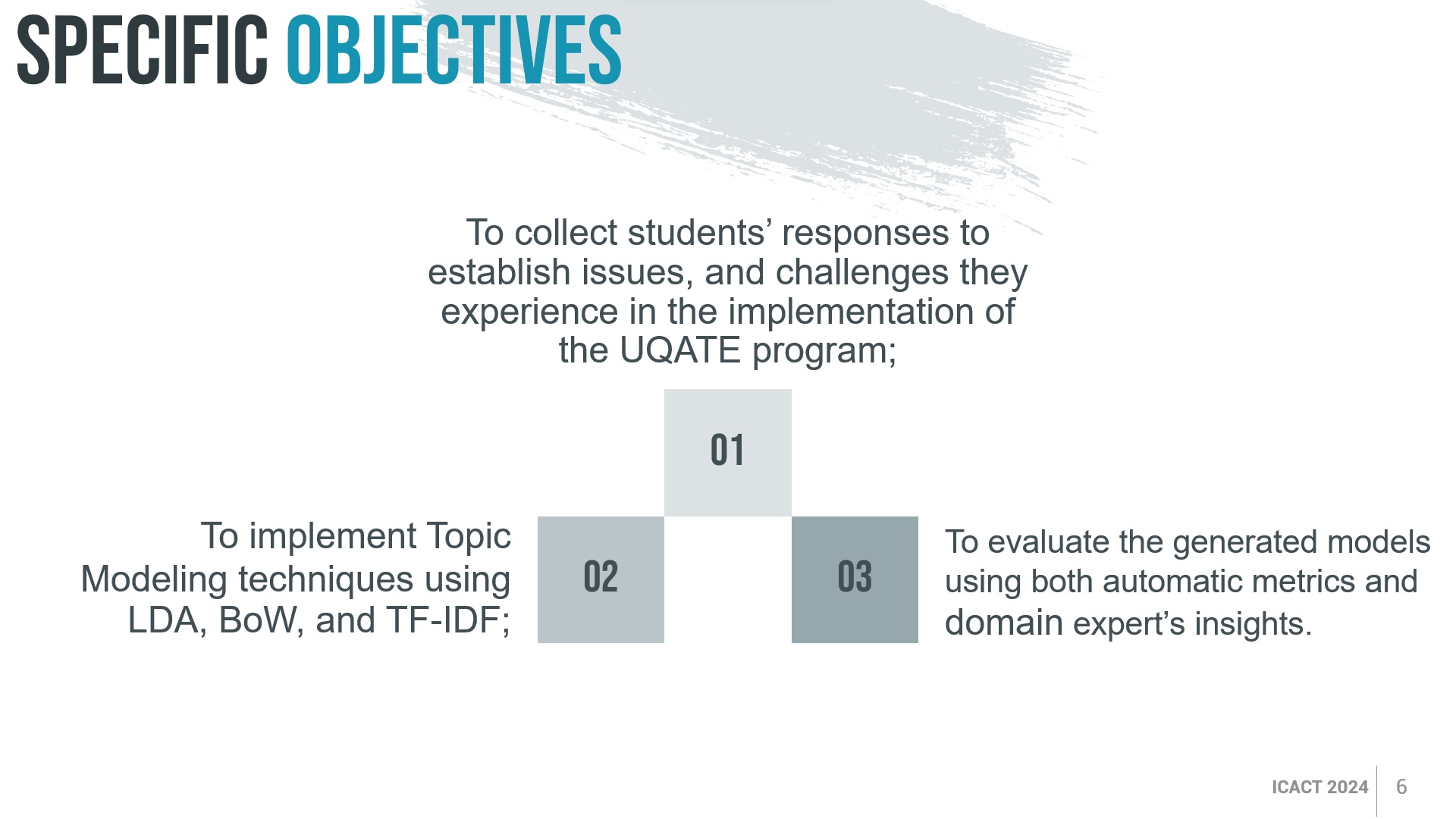 |
Specific Objectives include the following:
First is to collect students’ responses to establish issues, and challenges they experience in the implementation of the UAQTE program;
Second, to implement Topic Modeling techniques using LDA, BoW, and TF-IDF;
And third, to evaluate the generated models using both automatic metrics and domain expert’s insights.
Ultimately, this research aims to generate data-driven insights for policy reforms, leading to the enhancement of the UAQTE program to better serve students and the wider educational sector. |
| ICACT20240447 Slide.07
[Big Slide]
|
Chrome Click!! |
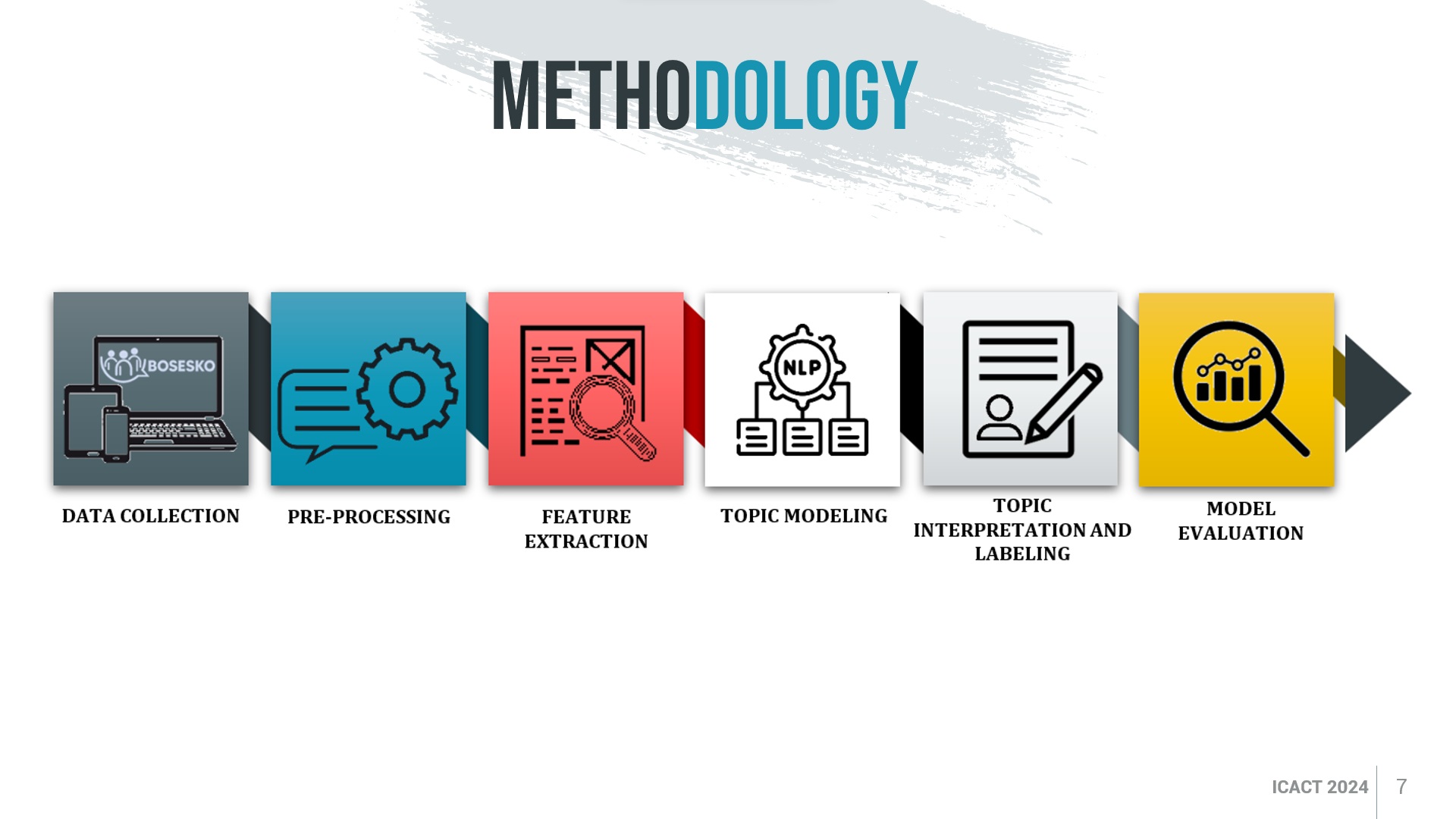 |
The 'information processing' methodology included several phases. It initiated with data collection and pre-processing, leading to the implementation of Latent Dirichlet Allocation (LDA) using BoW and TF-IDF for feature extraction and topic modeling. Following this, the results were comprehensively interpreted and labeled by domain experts. Finally, it culminated with model evaluation. |
| ICACT20240447 Slide.08
[Big Slide]
|
Chrome Click!! |
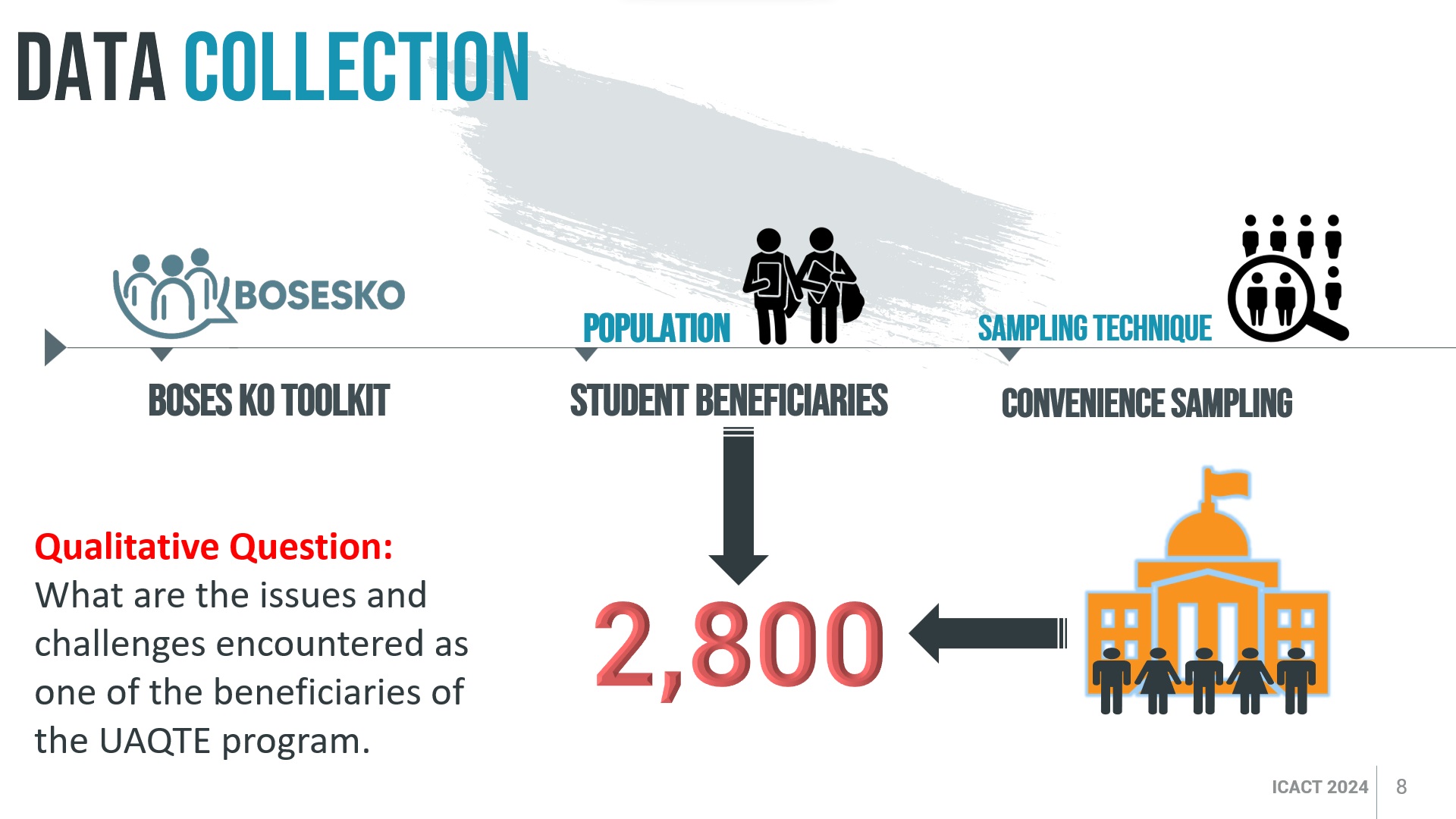 |
Boses Ko, meaning “MY Voice in English” is the toolkit developed and used to collect responses from student beneficiaries, A sample size of 2,800 respondents was selected from State Universities and Colleges (SUCs). The qualitative question guiding this study is “What are the issues and challenges encountered as one of the beneficiaries of the UAQTE program?" |
| ICACT20240447 Slide.09
[Big Slide]
|
Chrome Click!! |
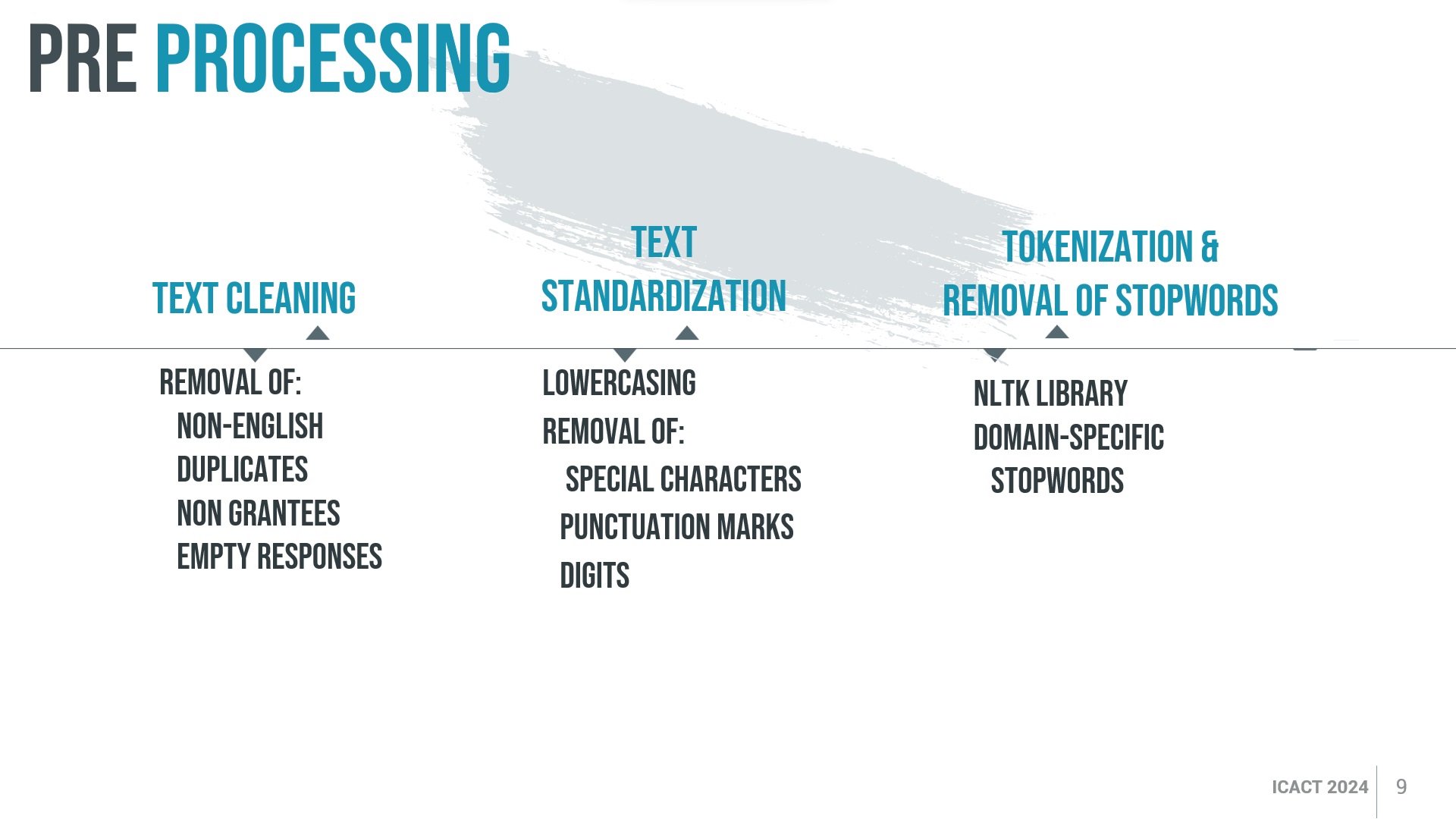 |
The collected responses underwent meticulous data pre-processing, involving removal of non-English, duplicate, non-grantee, and empty responses. Text was standardized by converting to lowercase and eliminating special characters, punctuation, and digits to refine textual representation, ensuring clearer analysis and reduced noise. Further steps employed the NLTK for tokenization and removed common stopwords, enhancing clarity by segmenting text into individual words and eliminating semantically limited words. Domain-specific terms like "UAQTE," "issues," "challenges," and "beneficiaries" were treated as additional stopwords to focus the text analysis and highlight key terms for more meaningful results. |
| ICACT20240447 Slide.10
[Big Slide]
|
Chrome Click!! |
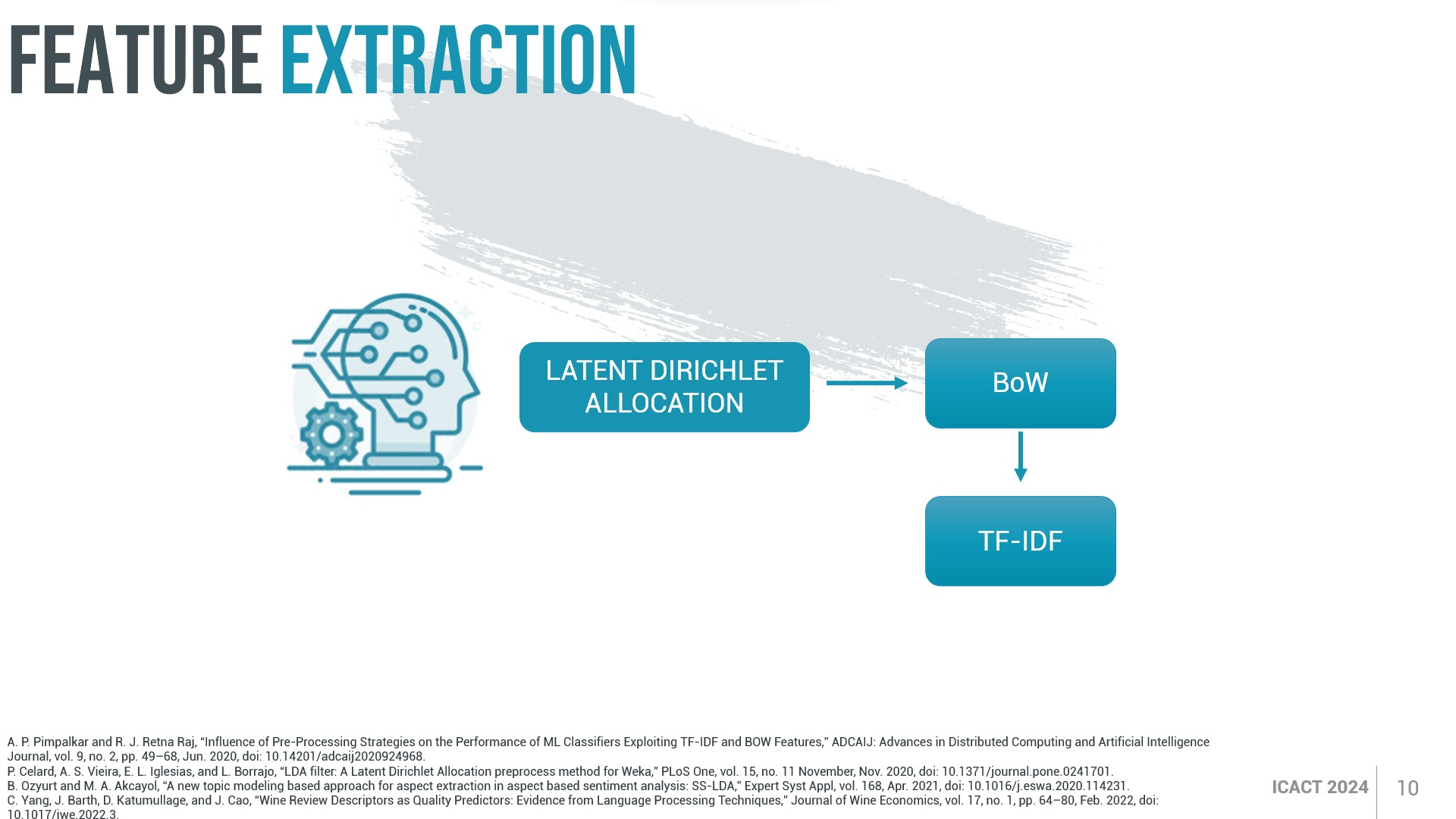 |
In the feature extraction of Latent Dirichlet Allocation (LDA), two predominant techniques are utilized: the Bag of Words (BoW) model and the Term Frequency-Inverse Document Frequency (TF-IDF) transformation. These methods are instrumental in uncovering underlying structures and enhancing insights from text data. BoW models each document as a vector, quantifying the frequency of words within it. This enables LDA to translate textual data into numerical features, facilitating the identification of underlying topics and their distribution across documents.�TF-IDF augments feature representation quality, building upon the BoW model. It assigns weights to words based on their relevance in individual documents and the entire corpus, balancing word significance. This step, following BoW, produces a more informative and distinct feature matrix, aiding LDA in assigning importance to words unique to specific documents or topics. By doing so, it diminishes the weight of common words. |
| ICACT20240447 Slide.11
[Big Slide]
|
Chrome Click!! |
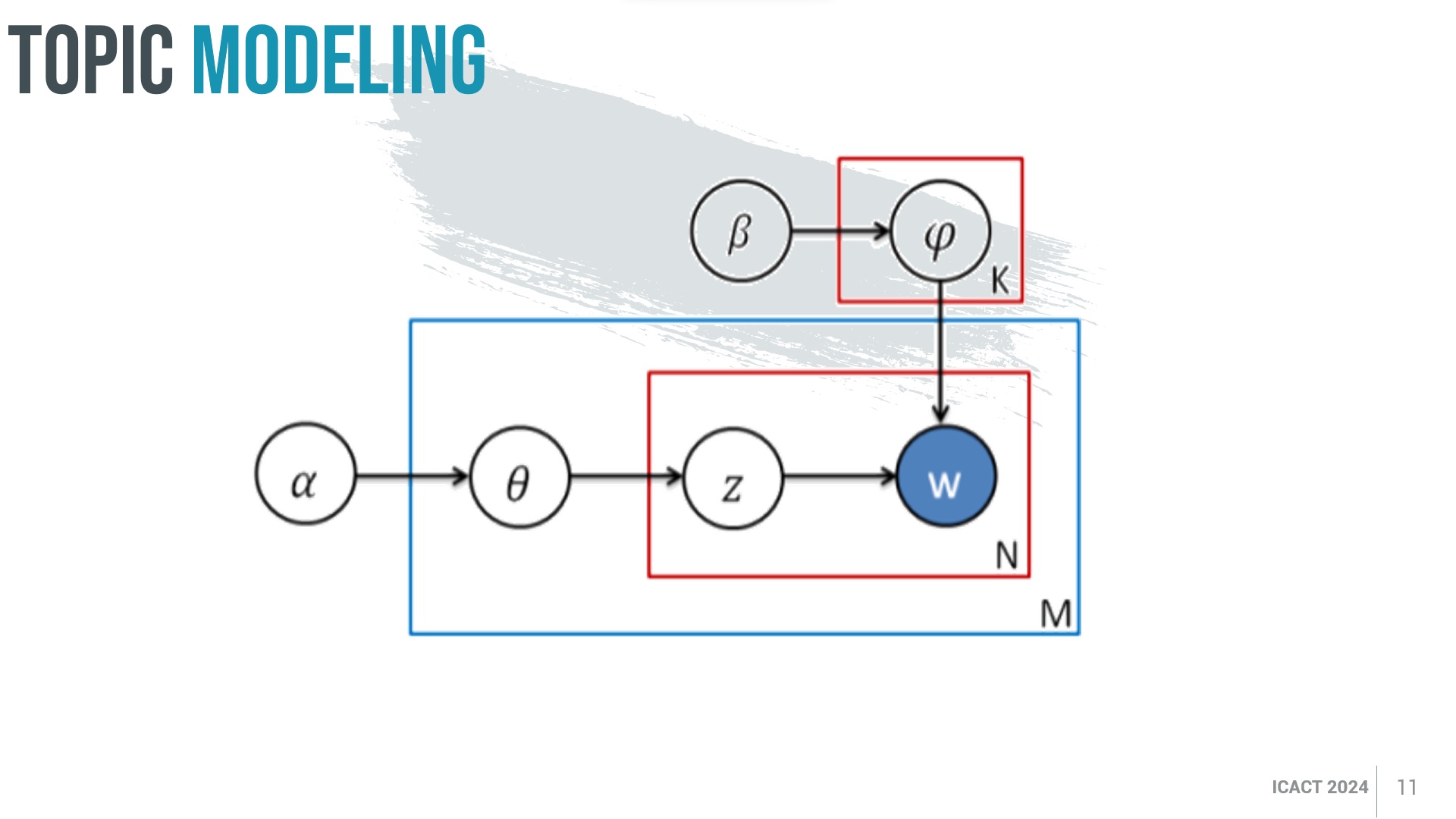 |
This figure presents how documents form through topic selection, word distribution, and the influence of α alpha and β beta hyperparameters. α shapes per-document topic distributions (θ), β controls per-topic word distributions (φ). θ(theta)M reflects topic mix in document M, while φ(phi)K signifies word distribution in topic K. Zmn assigns topics to words, and Wmn represents individual words in the corpus alongside their assigned topics. |
| ICACT20240447 Slide.12
[Big Slide]
|
Chrome Click!! |
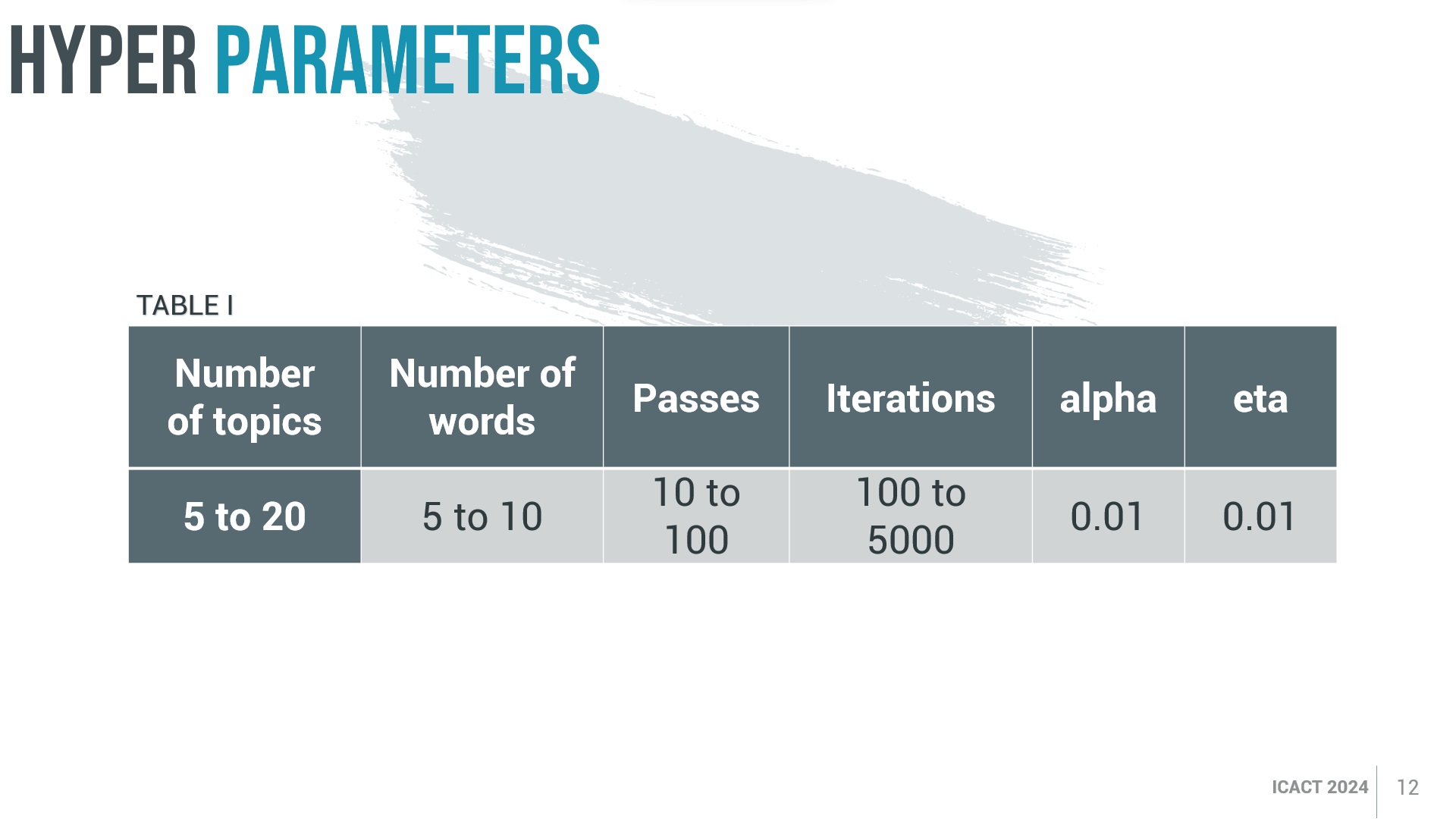 |
Table 1 illustrates the range of hyperparameters examined to ascertain the optimal configurations for the LDA model experiments. These configurations are pivotal in producing coherent, interpretable, and contextually relevant topics derived from the dataset. Fine-tuning these hyperparameters is critical to align the topic modeling process with the dataset's unique attributes, significantly impacting the clarity and relevance of the extracted topics. |
| ICACT20240447 Slide.13
[Big Slide]
|
Chrome Click!! |
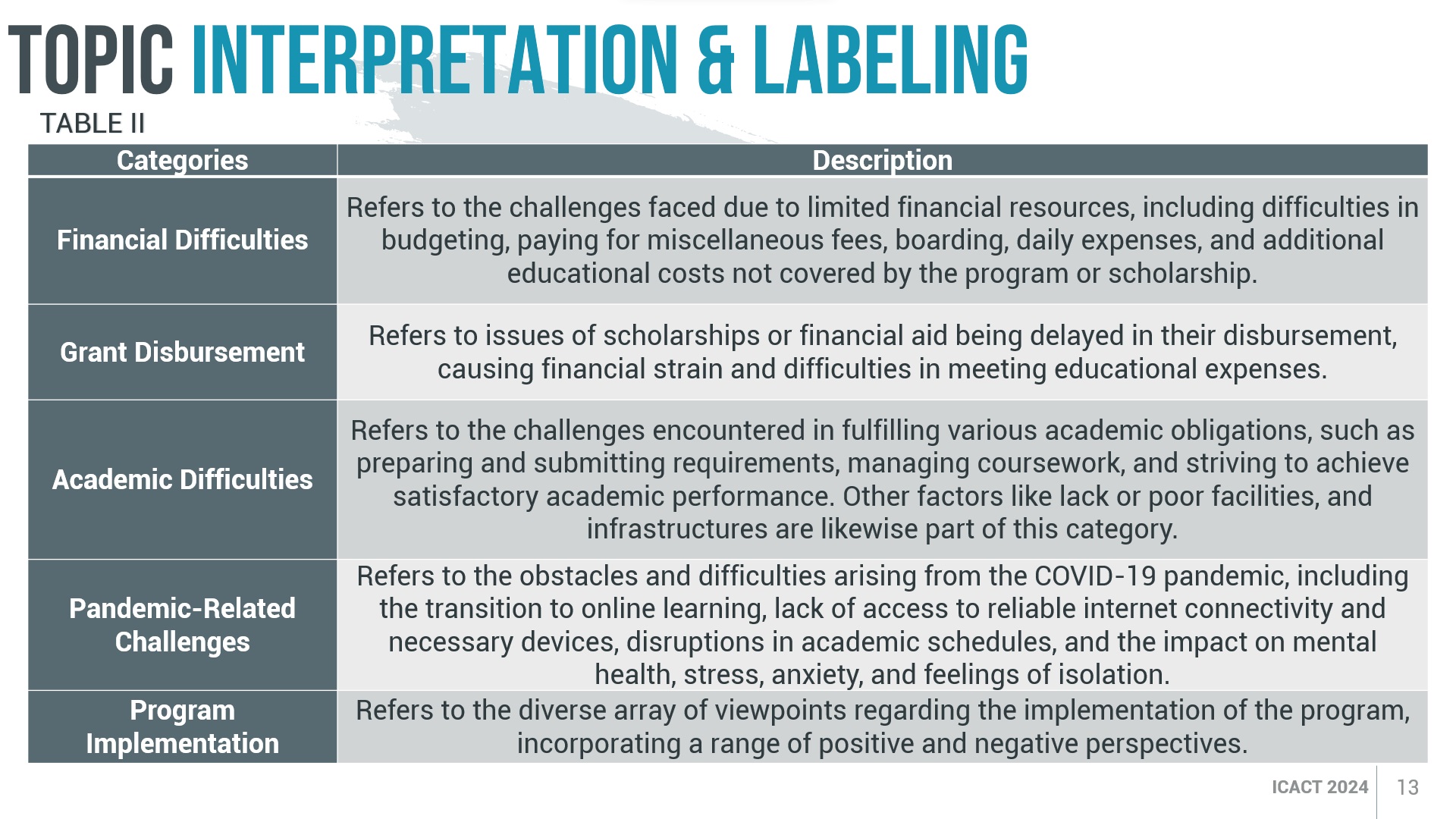 |
The main objective in labeling the topic model was assigning pertinent labels to each topic, guided by the observed word similarities. This approach aimed to amplify topic clarity and strengthen effective communication, substantially enhancing their applicability within the UAQTE framework. �Working in close partnership with domain experts from various disciplines, including Commission on Higher Education (CHED) administrators, social scientists, data scientists, and recipients of the UAQTE program, greatly aided in choosing topic labels that were clearly understandable and closely aligned with the research objectives. Table 2 displays the labels established through this collaborative process, reflecting a well-rounded and research-focused understanding of the topics.
Sample Categories included: Financial Difficulties, Grant Disbursement, Academic Difficulties, Pandemis Related Challenges, and Program Implementation.
For Financial Difficulties, this Refers to the challenges faced due to limited financial resources, including difficulties in budgeting, paying for miscellaneous fees, boarding, daily expenses, and additional educational costs not covered by the program or scholarship. |
| ICACT20240447 Slide.14
[Big Slide]
|
Chrome Click!! |
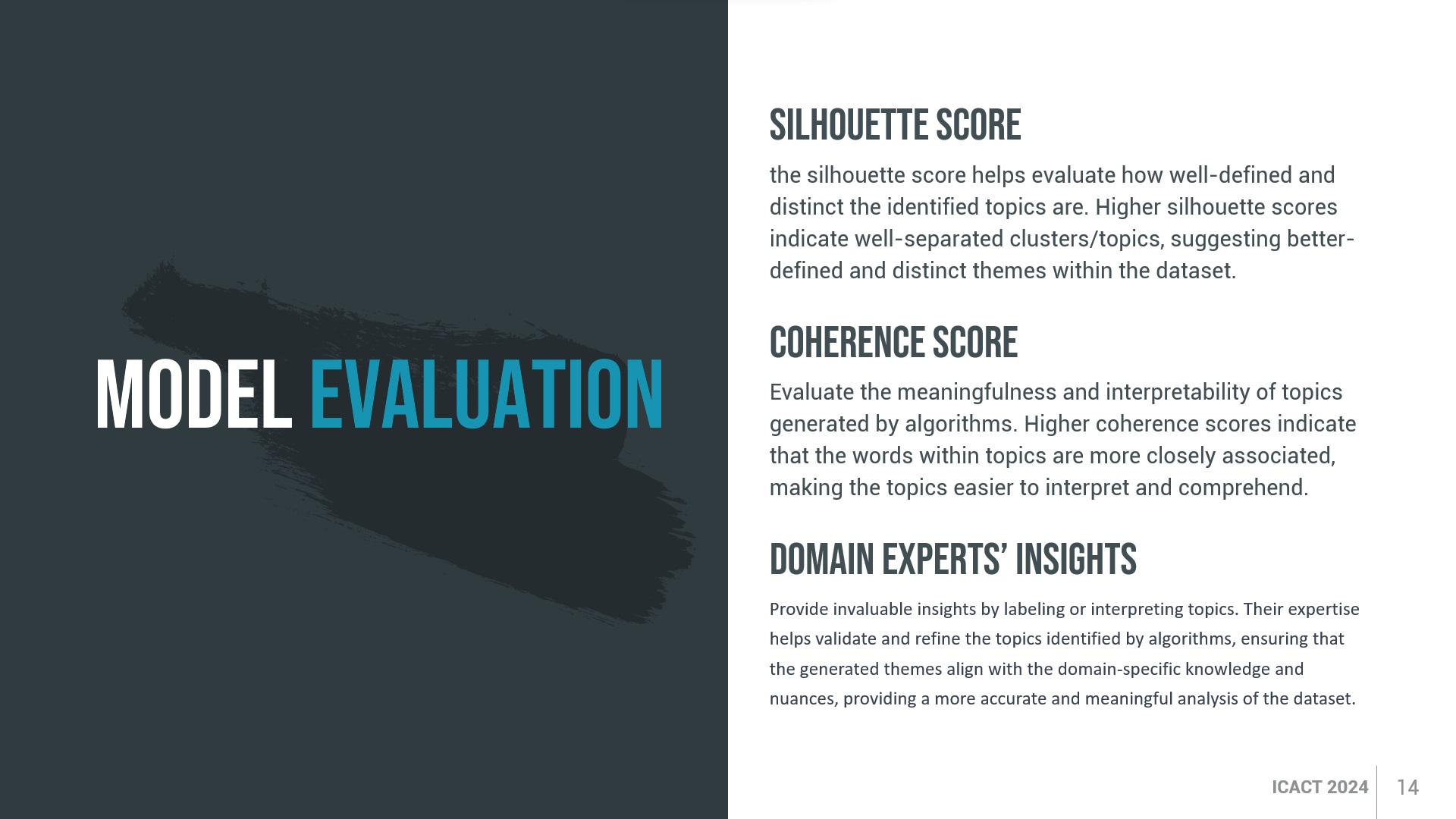 |
Combining expert insights with silhouette and coherence scores establishes a robust evaluation method. Good silhouette and coherence scores, alongside expert validation of topic interpretability, collectively indicate the high quality of the generated topics. Integrating quantitative metrics with the judgment of domain experts creates a well-rounded assessment framework. It guarantees a nuanced and dependable evaluation of the topic model's overall quality and effectiveness, ensuring that the models are not just statistically sound but rich in context and relevance to the UAQTE domain. |
| ICACT20240447 Slide.15
[Big Slide]
|
Chrome Click!! |
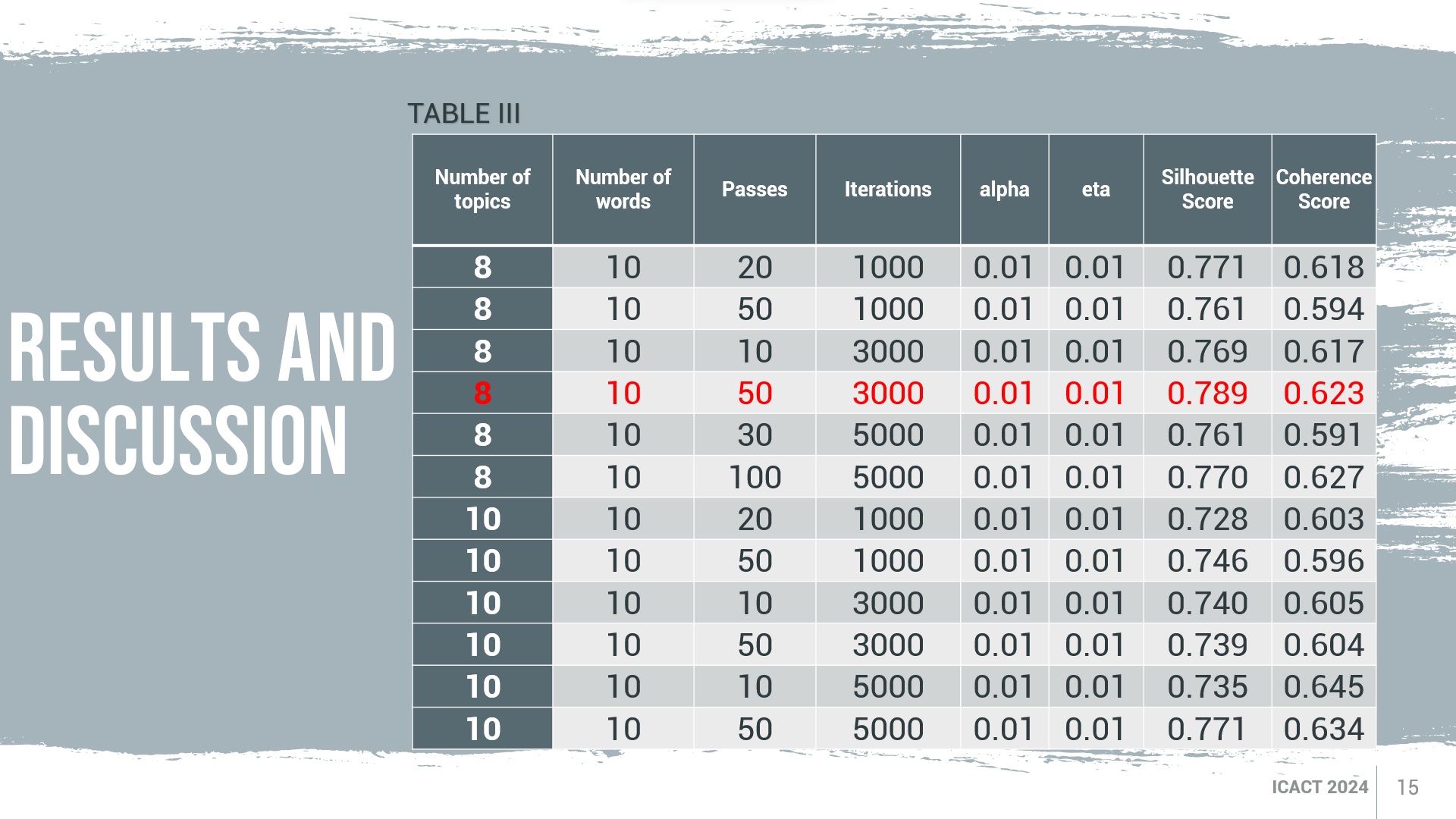 |
LDA model analysis investigated various configurations, including topics, words, passes, iterations, alpha, and eta, leading to variations in silhouette and coherence scores under different parameter settings, as indicated in Table 3. In particular, configurations with 8 topics, 50 passes, and 3000 iterations showcased higher silhouette scores, implying the model's effectiveness in creating more distinct data clusters. These settings reflect the LDA's strength in delineating clear groupings within the dataset. Although the coherence scores ranged between 0.591 and 0.645, indicating some challenges in capturing complex semantic relationships due to the probabilistic nature of LDA, the model still showed a considerable degree of effectiveness in associating topics and words. This was instrumental in generating relevant labels. Despite the relatively modest coherence scores, LDA demonstrated its capability to formulate coherent and meaningful topics. This underscores its value in delivering interpretable and insightful dataset representations, highlighting its practical importance in data analysis. |
| ICACT20240447 Slide.16
[Big Slide]
|
Chrome Click!! |
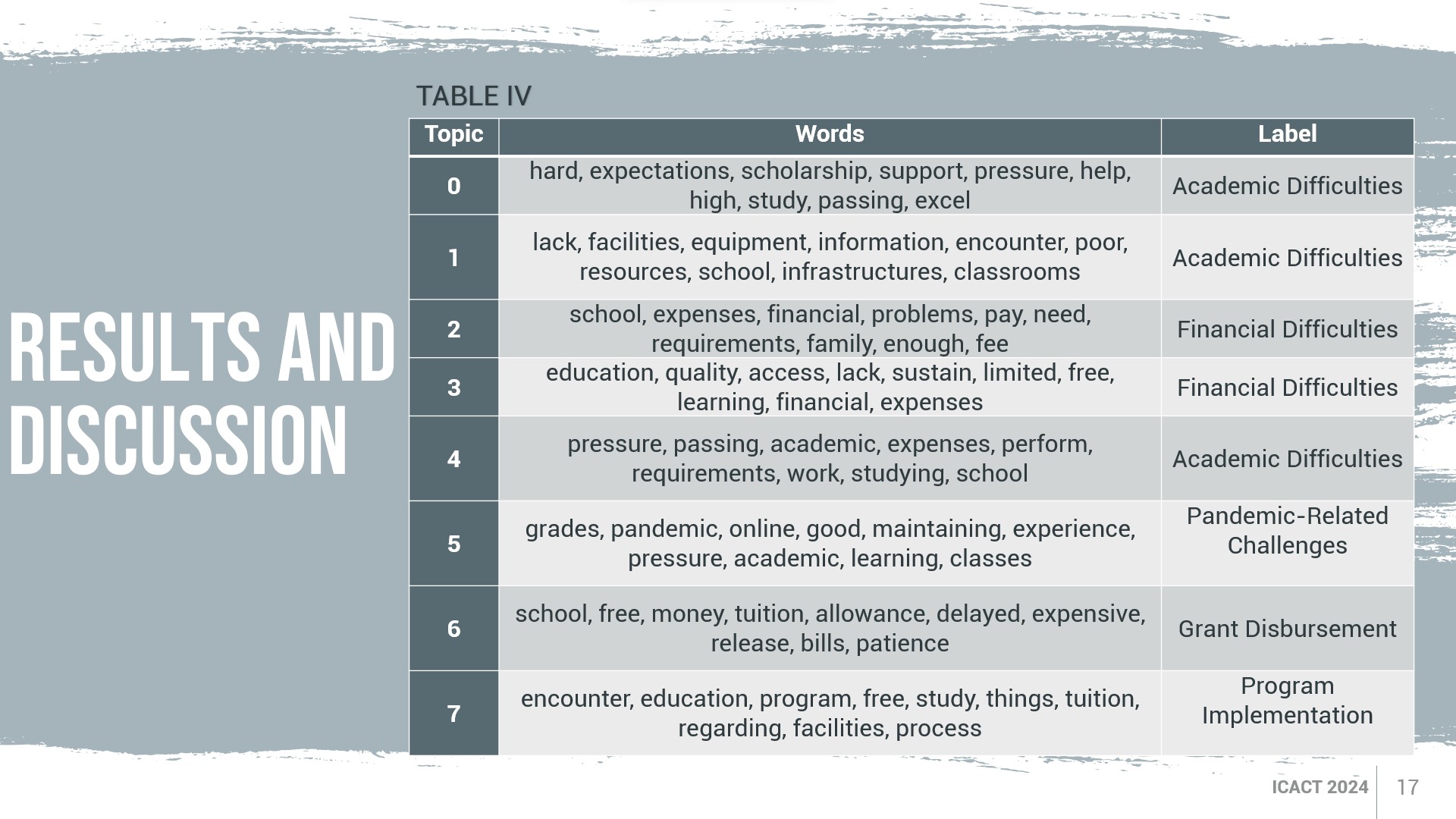 |
Table 4 features the LDA model labeled by domain experts, with the highest Silhouette and Coherence Scores among all the LDA experiments.
For example: Topic 0 with Words hard, expectations, scholarship, support, pressure, help, high, study, passing, and excel represents “Academic Difficulties”
Topic 6 with words “school, free, money, tuition, allowance, delayed, expensive, release, bills, and patience” represents “Grant Disbursement |
| ICACT20240447 Slide.17
[Big Slide]
|
Chrome Click!! |
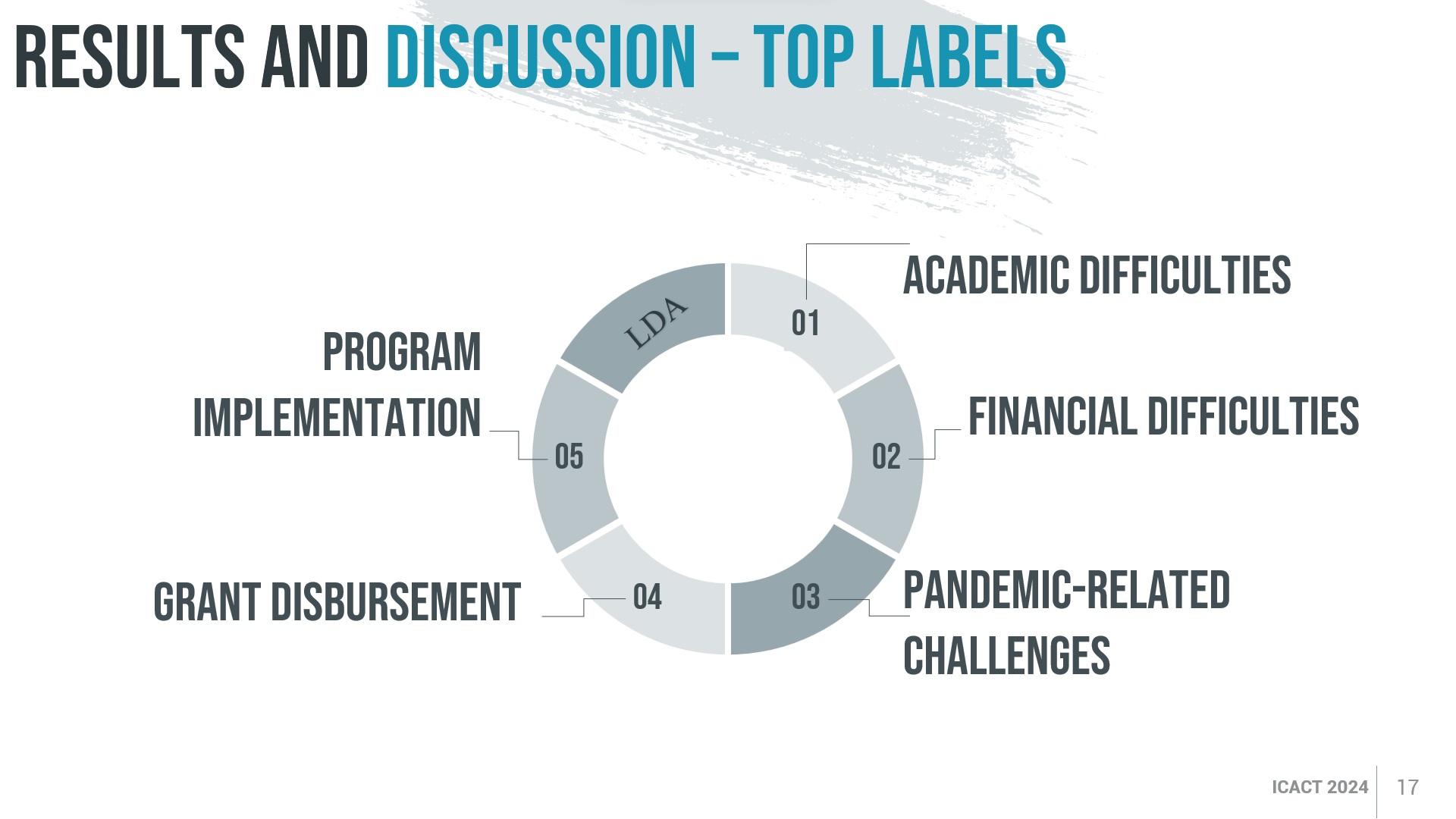 |
The extensive LDA experiments highlighted key themes such as "Academic Difficulties," "Financial Difficulties," "Pandemic-Related Challenges," "Grant Disbursement," and "Program Implementation." The analysis underscores the significance of these core topics, illustrating the model's ability to identify and prioritize crucial themes relevant to the dataset. �Integrating Bag of Words (BoW) and Term Frequency-Inverse Document Frequency (TF-IDF) methods with LDA remarkably enhances the model's interpretability. BoW contributed to improved topic identification and model stability, ensuring clear and consistent topic representation. On the other hand, TF-IDF refined topic descriptors and balanced word representation, offering nuanced and contextually relevant topics by focusing on unique words. |
| ICACT20240447 Slide.18
[Big Slide]
|
Chrome Click!! |
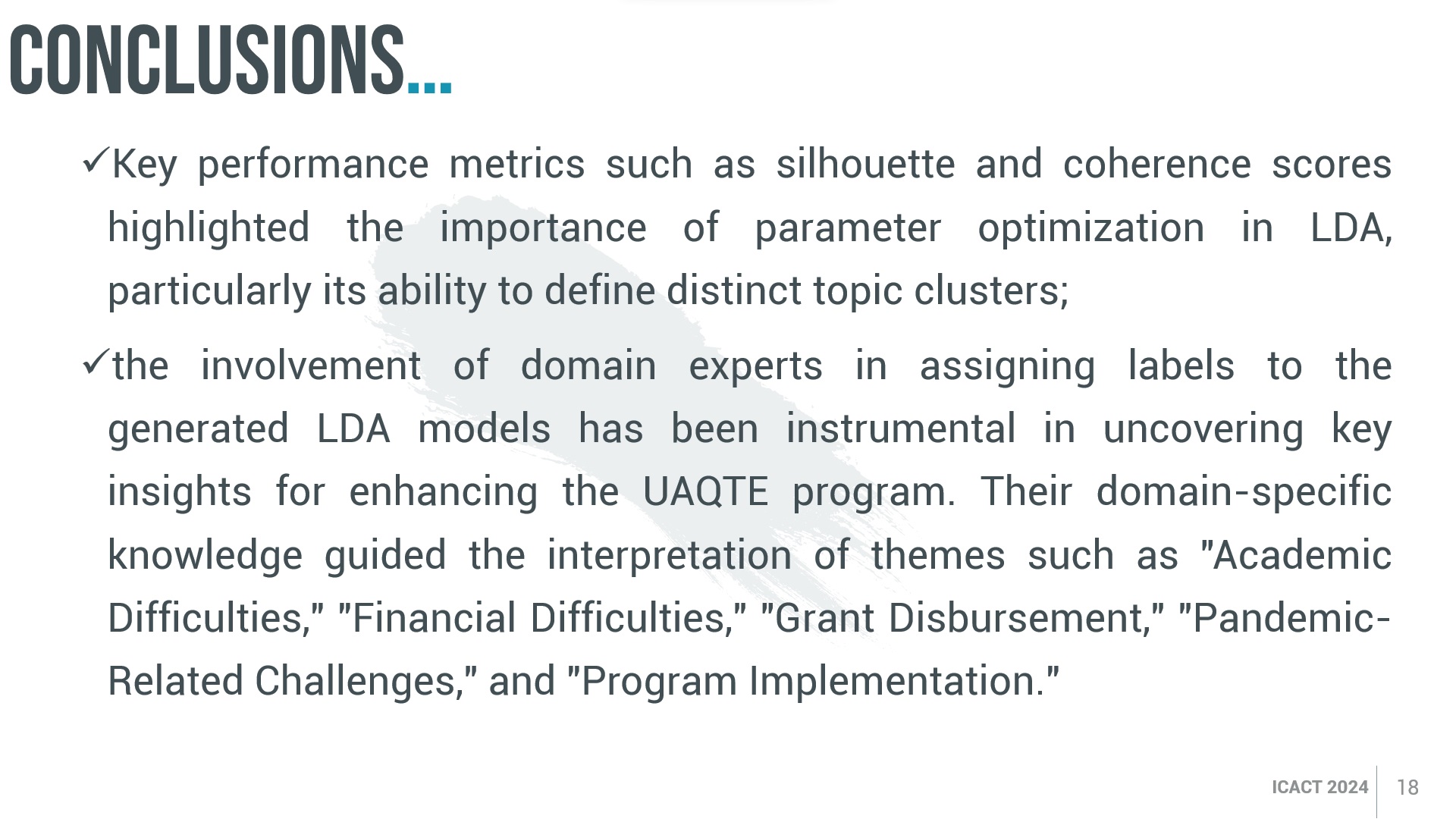 |
The following are the conclusions:
First, key performance metrics such as silhouette and coherence scores highlighted the importance of parameter optimization in LDA, particularly its ability to define distinct topic clusters;
And second, the involvement of domain experts in assigning labels to the generated LDA models has been instrumental in uncovering key insights for enhancing the UAQTE program. Their domain-specific knowledge guided the interpretation of themes such as "Academic Difficulties," "Financial Difficulties," "Grant Disbursement," "Pandemic-Related Challenges," and "Program Implementation."
|
| ICACT20240447 Slide.19
[Big Slide]
|
Chrome Click!! |
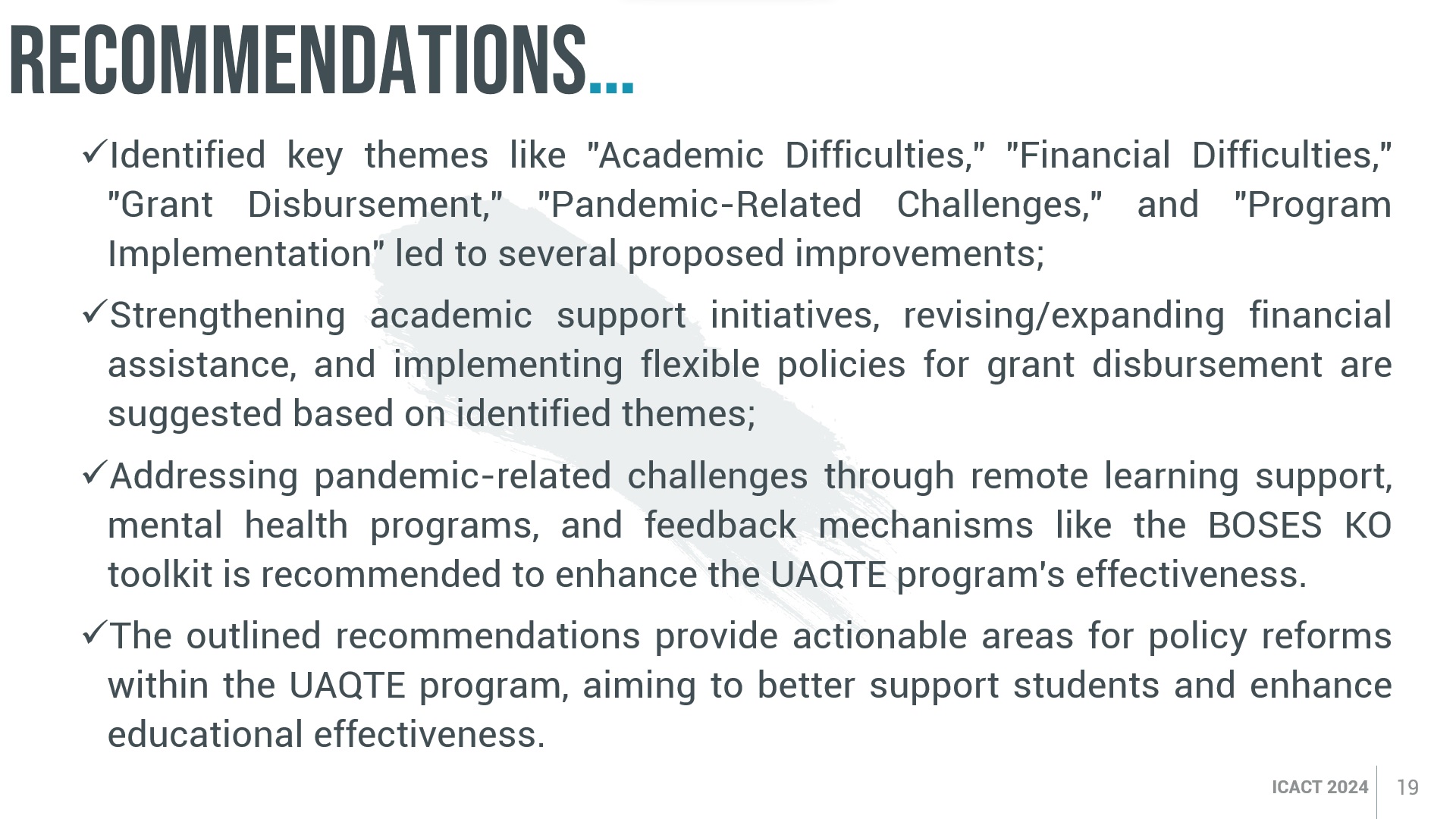 |
for recommendations:
Identified key themes like "Academic Difficulties," "Financial Difficulties," "Grant Disbursement," "Pandemic-Related Challenges," and "Program Implementation" led to several proposed improvements;
Strengthening academic support initiatives, revising/expanding financial assistance, and implementing flexible policies for grant disbursement are suggested based on identified themes;
Addressing pandemic-related challenges through remote learning support, mental health programs, and feedback mechanisms like the BOSES KO toolkit is recommended to enhance the UAQTE program's effectiveness.
The outlined recommendations provide actionable areas for policy reforms within the UAQTE program, aiming to better support students and enhance educational effectiveness. |
| ICACT20240447 Slide.20
[Big Slide]
|
Chrome Click!! |
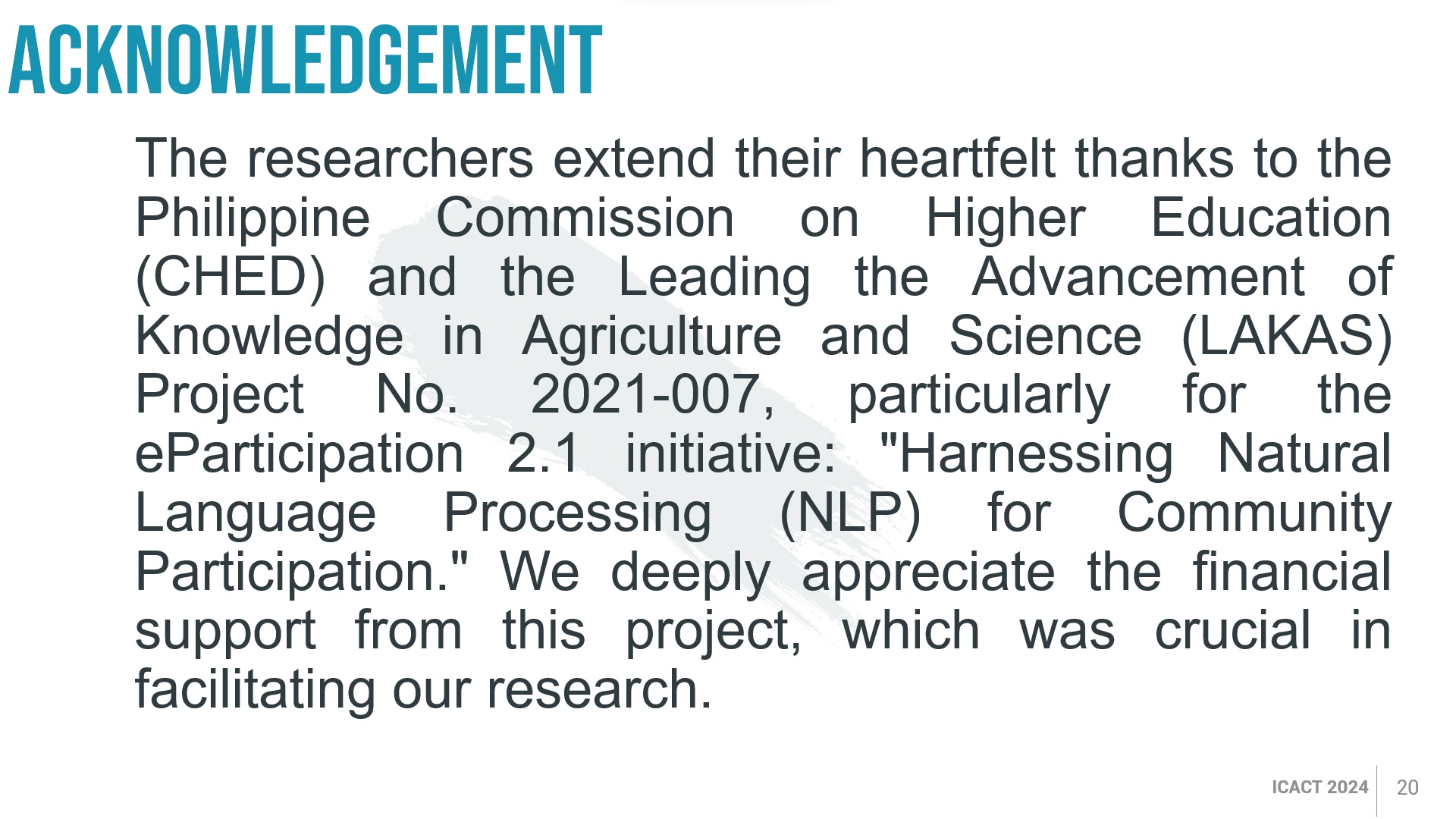 |
The researchers extend their heartfelt thanks to the Philippine Commission on Higher Education (CHED) and the Leading the Advancement of Knowledge in Agriculture and Science (LAKAS) Project No. 2021-007, particularly for the eParticipation 2.1 initiative: "Harnessing Natural Language Processing (NLP) for Community Participation." We deeply appreciate the financial support from this project, which was crucial in facilitating our research. |
| ICACT20240447 Slide.21
[Big Slide]
|
Chrome Click!! |
 |
Again, in behalf of my colleagues, thank you for this opportunity |
| |





