Now 2371 visitors
Today:0 Yesterday:0
Total: 129645
212S 50P 5R
2026-10-20, Week 43 |
| Member Login |
| TACT Journal Homepage |
| Call for Paper |
| Committee |
| Find My Paper |
| Author Homepage |
| Statistics & History |
| Welcome Message |
| Paper Procedure |
| FAQ |
| Paper Archives |
| Outstanding Papers |
| Author Homepage |
| - Paper Procedure |
| - Journal Procedure |
| - Presentation Tips |
|
| Program & Proceedings |
| Program with Papers |
| Plenary Session |
| Tutorial Session |
|
| Presentation Platform |
| Hotel & Travel Info |
| About Korea |
| Accommodation |
| Transportation |
| VISA |
| Other Infomation |
|
| Photo Gallery |
| Scheduler Login |
| Seminar |
| Archives Login |
|
| Sponsors |

|

|

|

|

|

|

|

|

|

|
|
|
|
|
 ICACT20240456 Slide.01
[Big Slide]
[YouTube] |
Chrome  Click!! |
 |
Hello everyone, I'm Niu Xiaoling from the China Academy of Information and Communications Technology. The topic of my presentation today is “Research on the Transformation Path of DevOps in the Digital Era”.
|
| ICACT20240456 Slide.02
[Big Slide]
[YouTube] |
Chrome Click!! |
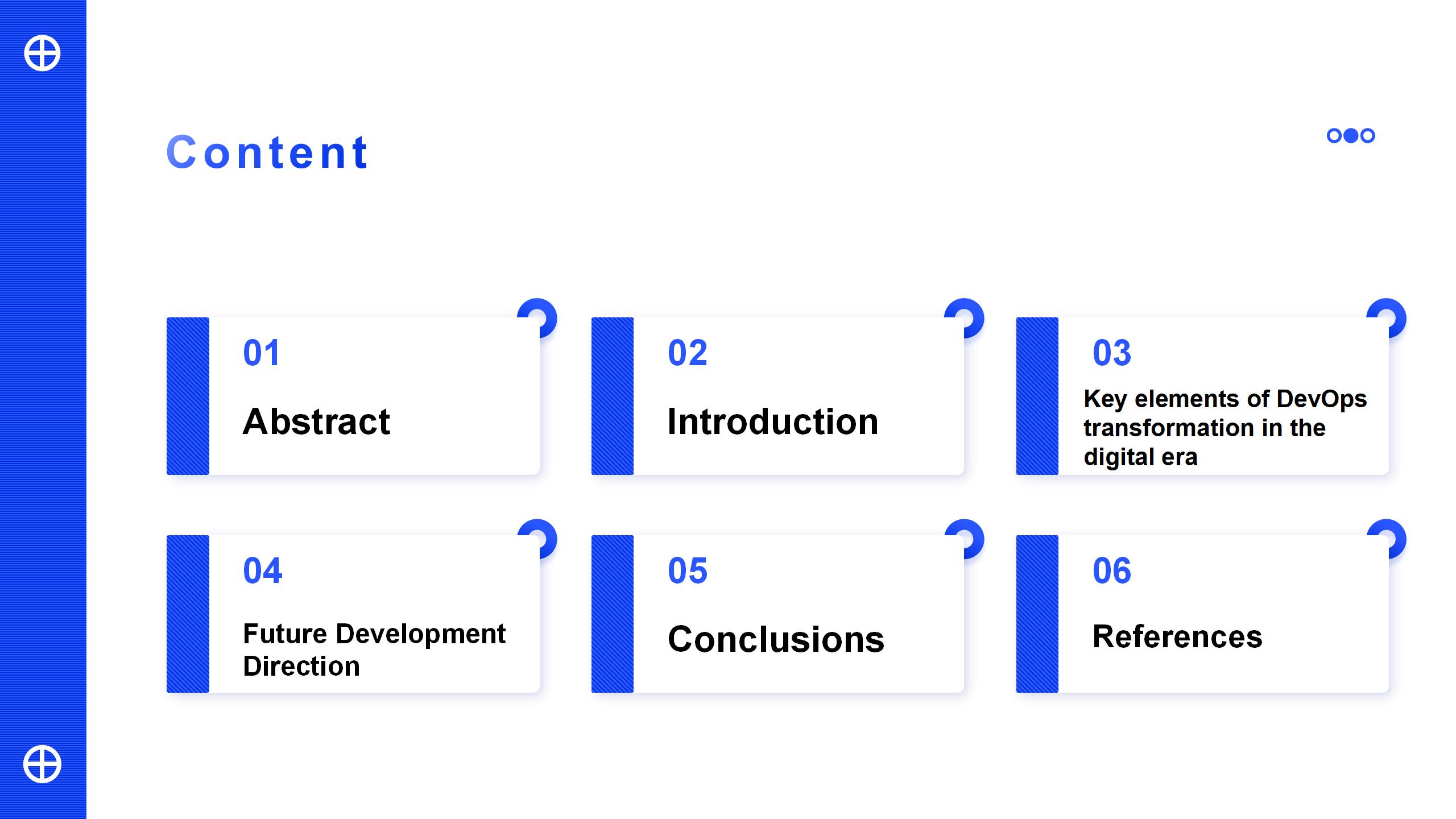 |
Today's presentation consists of six parts.
|
| ICACT20240456 Slide.03
[Big Slide]
[YouTube] |
Chrome Click!! |
 |
With the advent of the digital era, many enterprises have gradually discovered the great potential of digitalization, so how to smooth the road of digital transformation has become the focus of enterprise attention.
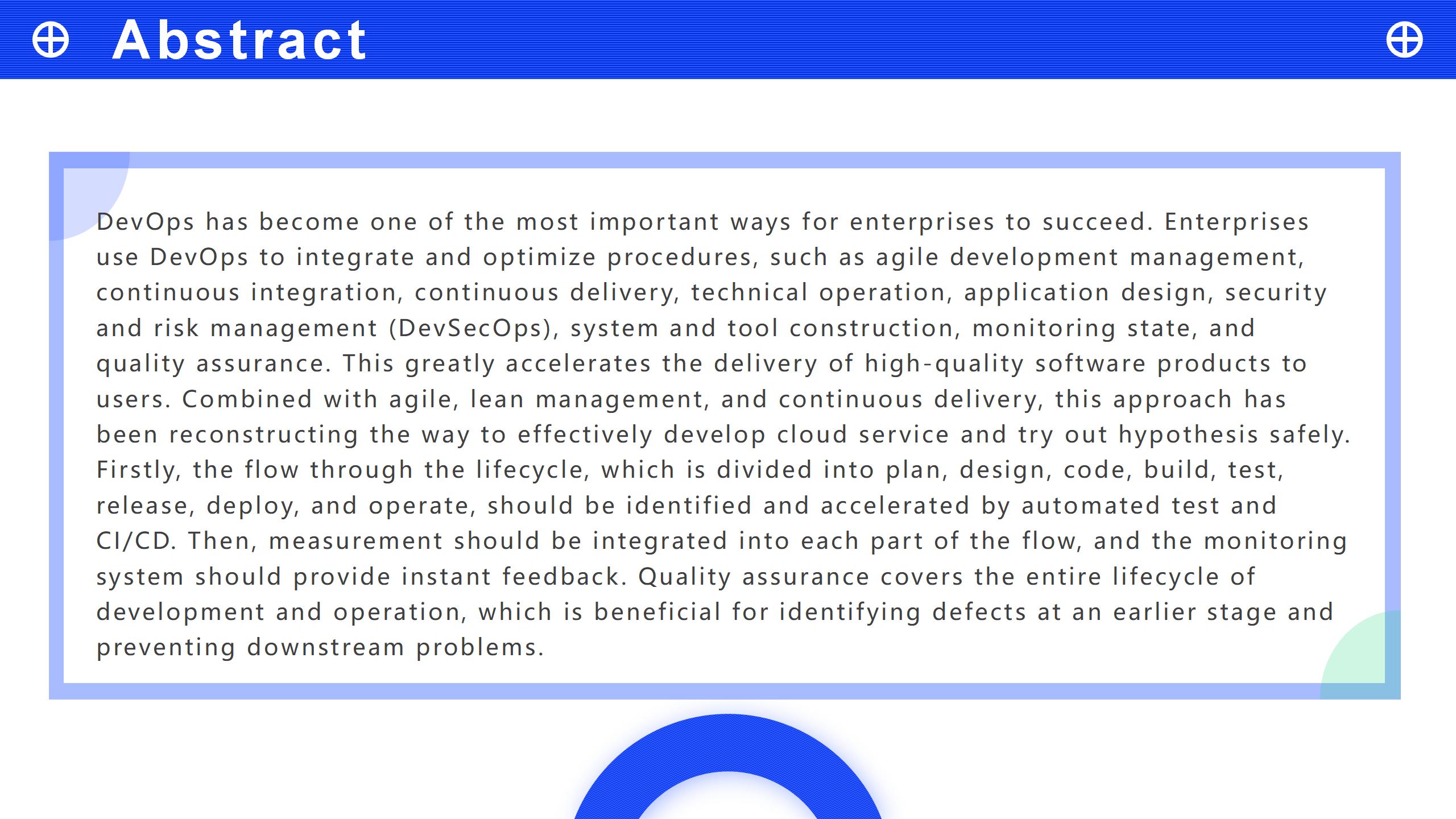
DevOps has become one of the most important ways for enterprises to succeed. Enterprises use DevOps to integrate and optimize procedures, such as agile development management, continuous integration, continuous delivery, technical operation, application design, security and risk management (DevSecOps), system and tool construction, monitoring state, and quality assurance. This greatly accelerates the delivery of high-quality software products to users. Combined with agile, lean management, and continuous delivery, this approach has been reconstructing the way to effectively develop cloud service and try out hypothesis safely.
|
| ICACT20240456 Slide.04
[Big Slide]
[YouTube] |
Chrome Click!! |
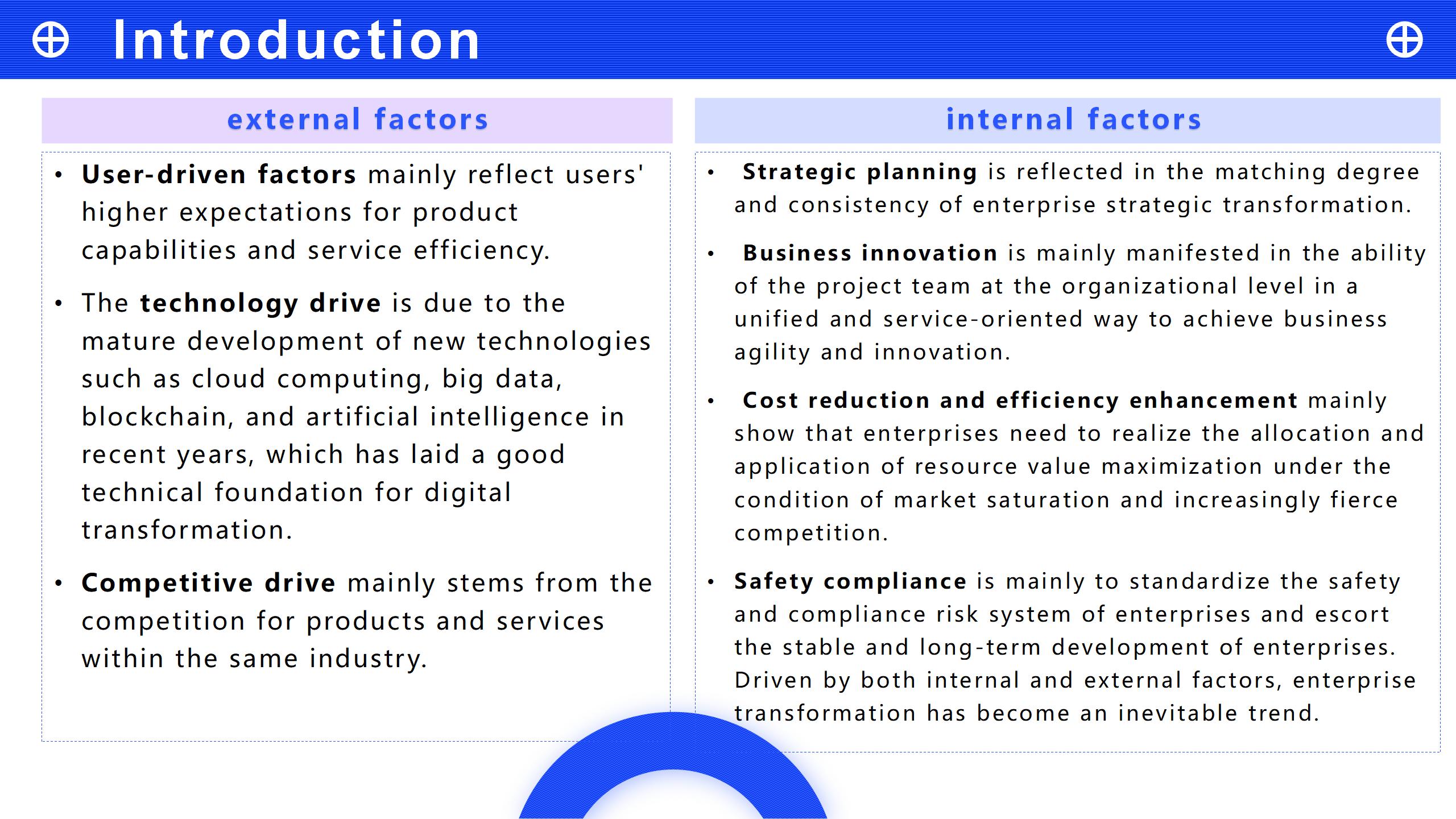 |
According to the analysis, we find that the driving factors of enterprise digital transformation are mainly divided into external factors and internal factors.The external factors are mainly includes User-driven factors mainly reflect users' higher expectations for product capabilities and service efficiency.The technology drive is due to the mature development of new technologies such as cloud computing, big data, blockchain, and artificial intelligence in recent years, which has laid a good technical foundation for digital transformation.Competitive drive mainly stems from the competition for products and services within the same industry.
The internal factors are mainly includes Strategic planning is reflected in the matching degree and consistency of enterprise strategic transformation. Business innovation is mainly manifested in the ability of the project team at the organizational level in a unified and service-oriented way to achieve business agility and innovation.Cost reduction and efficiency enhancement mainly show that enterprises need to realize the allocation and application of resource value maximization under the condition of market saturation and increasingly fierce competition. Safety compliance is mainly to standardize the safety and compliance risk system of enterprises and escort the stable and long-term development of enterprises. Driven by both internal and external factors, enterprise transformation has become an inevitable trend.
|
| ICACT20240456 Slide.05
[Big Slide]
[YouTube] |
Chrome Click!! |
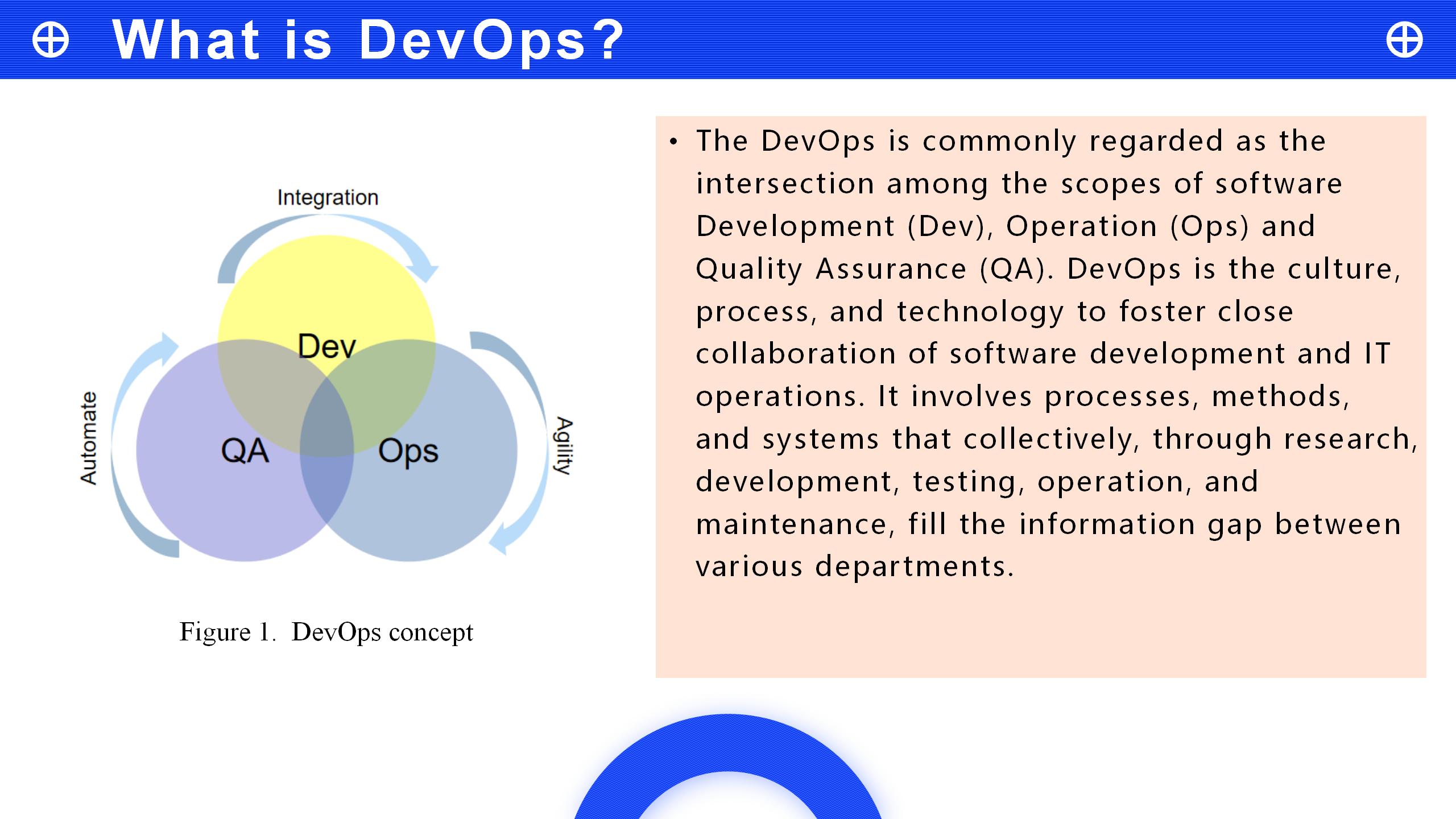 |
The DevOps is commonly regarded as the intersection among the scopes of software Development (Dev), Operation (Ops) and Quality Assurance (QA). DevOps is the culture, process, and technology to foster close collaboration of software development and IT operations. It involves processes, methods, and systems that collectively, through research, development, testing, operation, and maintenance, fill the information gap between various departments.
This approach reshapes software development, technology operations, and safety compliance processes in terms of organizational culture. It builds automated toolchains to enhance team collaboration and enables more convenient, frequent, and reliable software releases through automated, agile, and integrated delivery processes, as shown in Figure 1.
|
| ICACT20240456 Slide.06
[Big Slide]
[YouTube] |
Chrome Click!! |
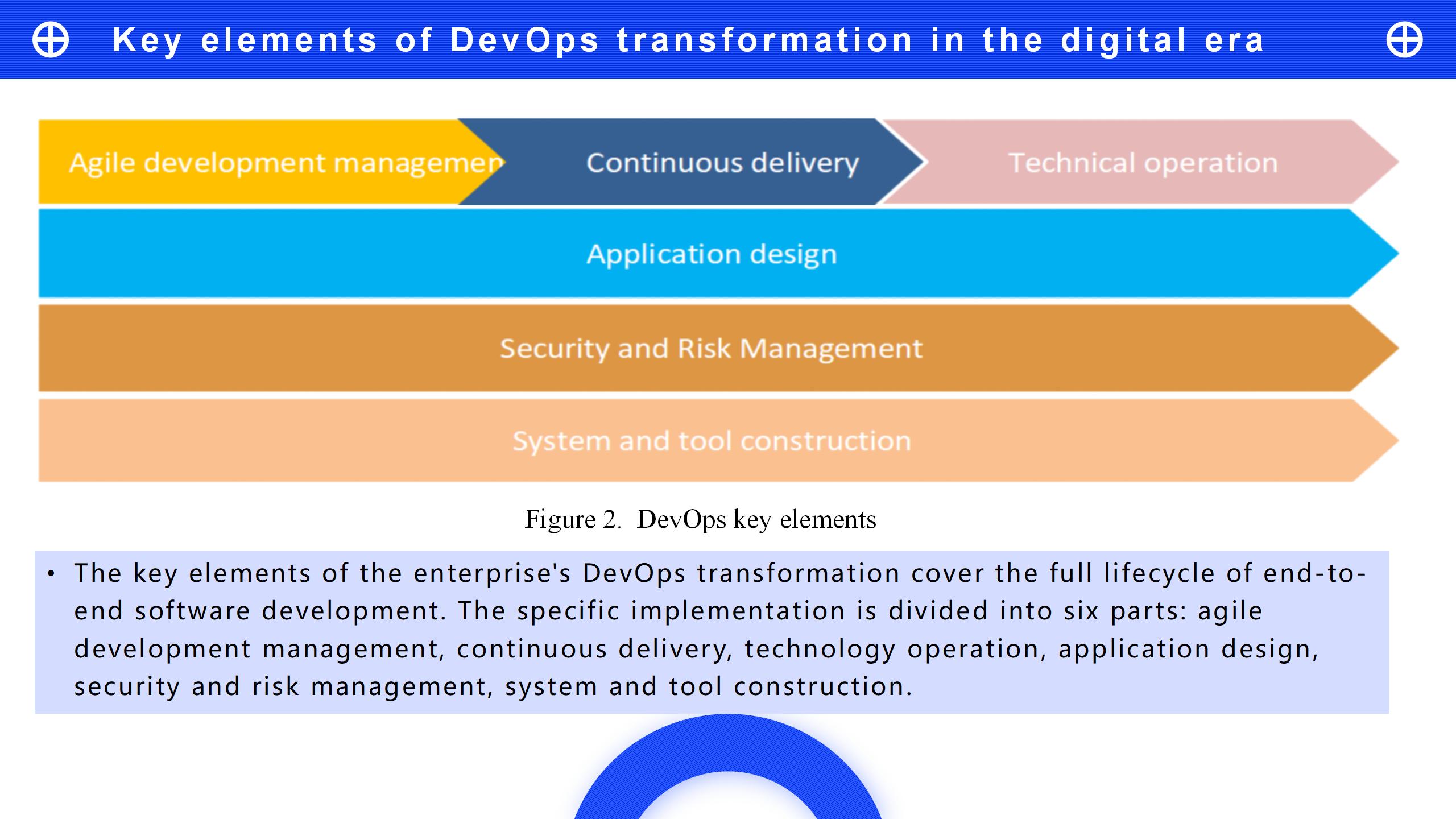 |
Figure 2 shows us the key elements of the enterprise's DevOps transformation cover the full lifecycle of end-to-end software development. The specific implementation is divided into six parts: agile development management, continuous delivery, technology operation, application design, security and risk management, system and tool construction.
|
| ICACT20240456 Slide.07
[Big Slide]
[YouTube] |
Chrome Click!! |
 |
The most important capability in an enterprise is the ability to develop and operate process management.
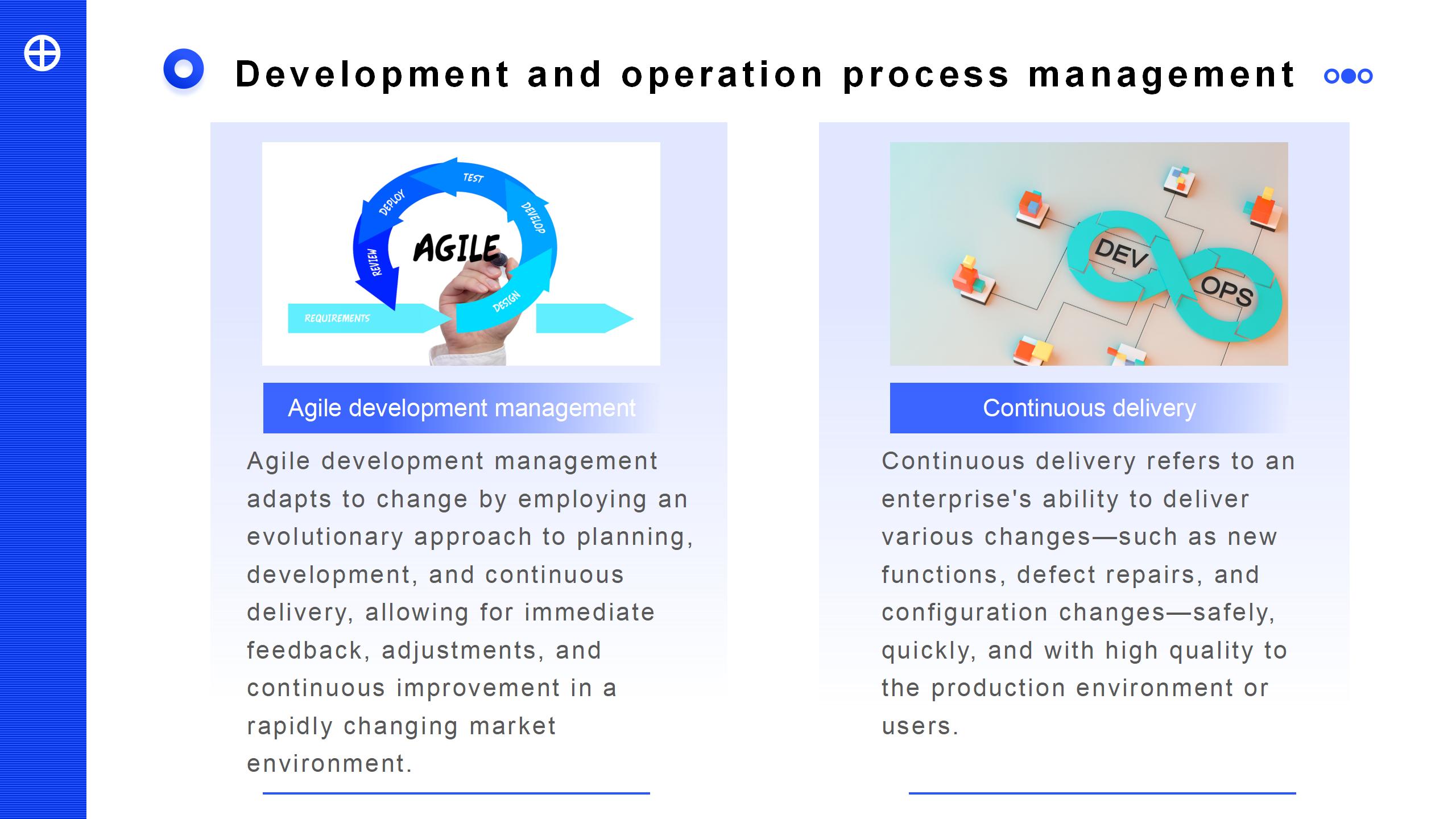
Agile development management enables enterprises to deliver value through business products and fosters close collaboration among development, testing, and other roles. It adapts to change by employing an evolutionary approach to planning, development, and continuous delivery, allowing for immediate feedback, adjustments, and continuous improvement in a rapidly changing market environment. At present, the main team agile practices adopted by enterprises include Scrum, lean software development, Kanban, extreme programming, and so on.
Continuous delivery refers to an enterprise's ability to deliver various changes—such as new functions, defect repairs, and configuration changes—safely, quickly, and with high quality to the production environment or users. Companies usually DevOps process can be divided into planning, design, coding, build, test, deployment, distribution and operating stage, using the research, and a half since the research or commercial tool system or platform, implement DevOps process of development and management, continuous integration, testing, continuous deployment, continuing operations, measure feedback closed-loop management
|
| ICACT20240456 Slide.08
[Big Slide]
[YouTube] |
Chrome Click!! |
 |
There are also some very important common management requirements in the enterprise.
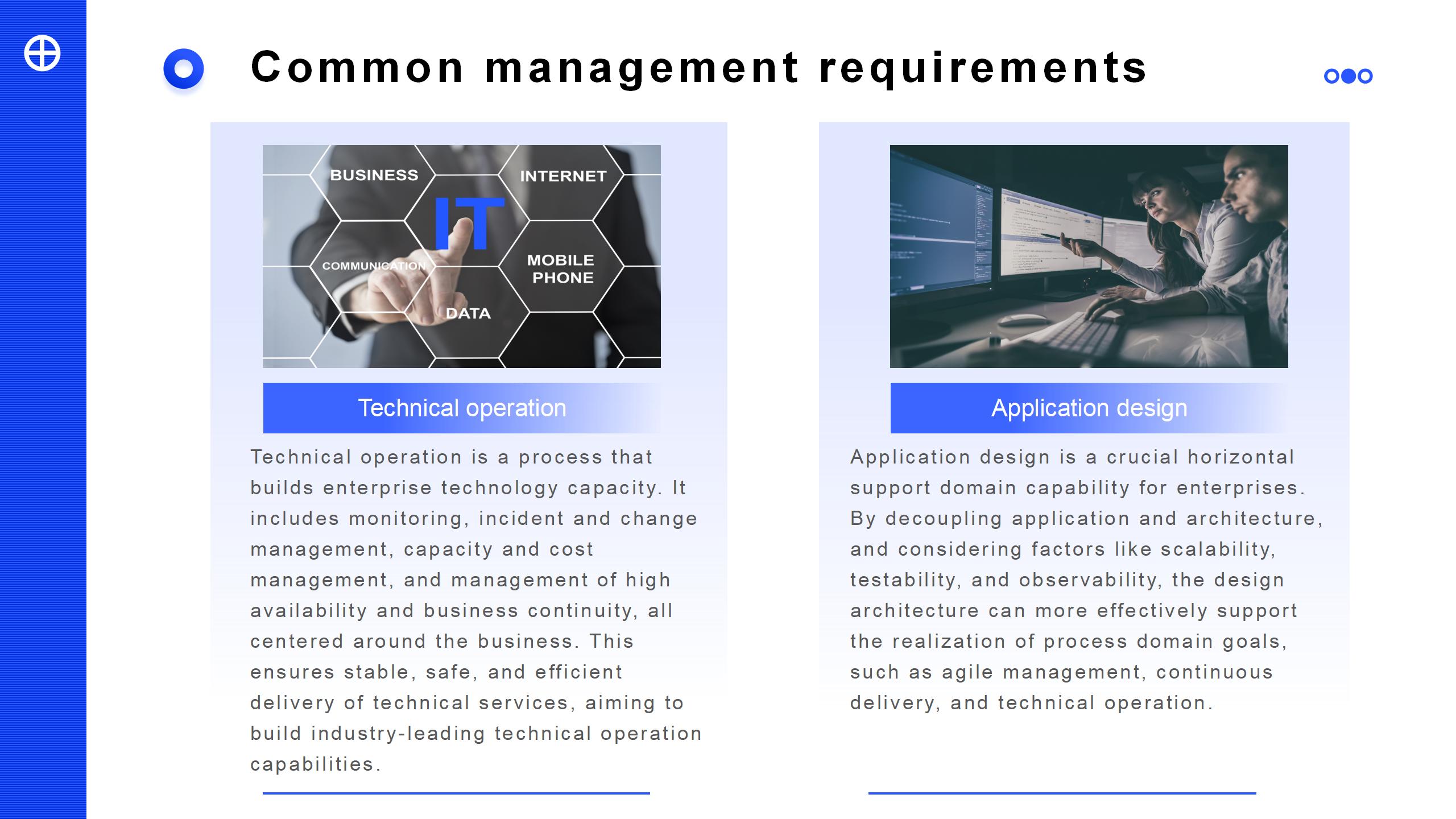
Technical operation is a process that builds enterprise technology capacity. It includes monitoring, incident and change management, capacity and cost management, and management of high availability and business continuity, all centered around the business. This ensures stable, safe, and efficient delivery of technical services, aiming to build industry-leading technical operation capabilities. Support the continuous development and strategic success of the enterprise. Different from traditional technology operation and maintenance, technology operation should not only focus on stability, security and reliability, but also focus on user experience, efficiency and benefit.
Application design is a crucial horizontal support domain capability for enterprises. By decoupling application and architecture, and considering factors like scalability, testability, and observability, the design architecture can more effectively support the realization of process domain goals, such as agile management, continuous delivery, and technical operation.
|
| ICACT20240456 Slide.09
[Big Slide]
[YouTube] |
Chrome Click!! |
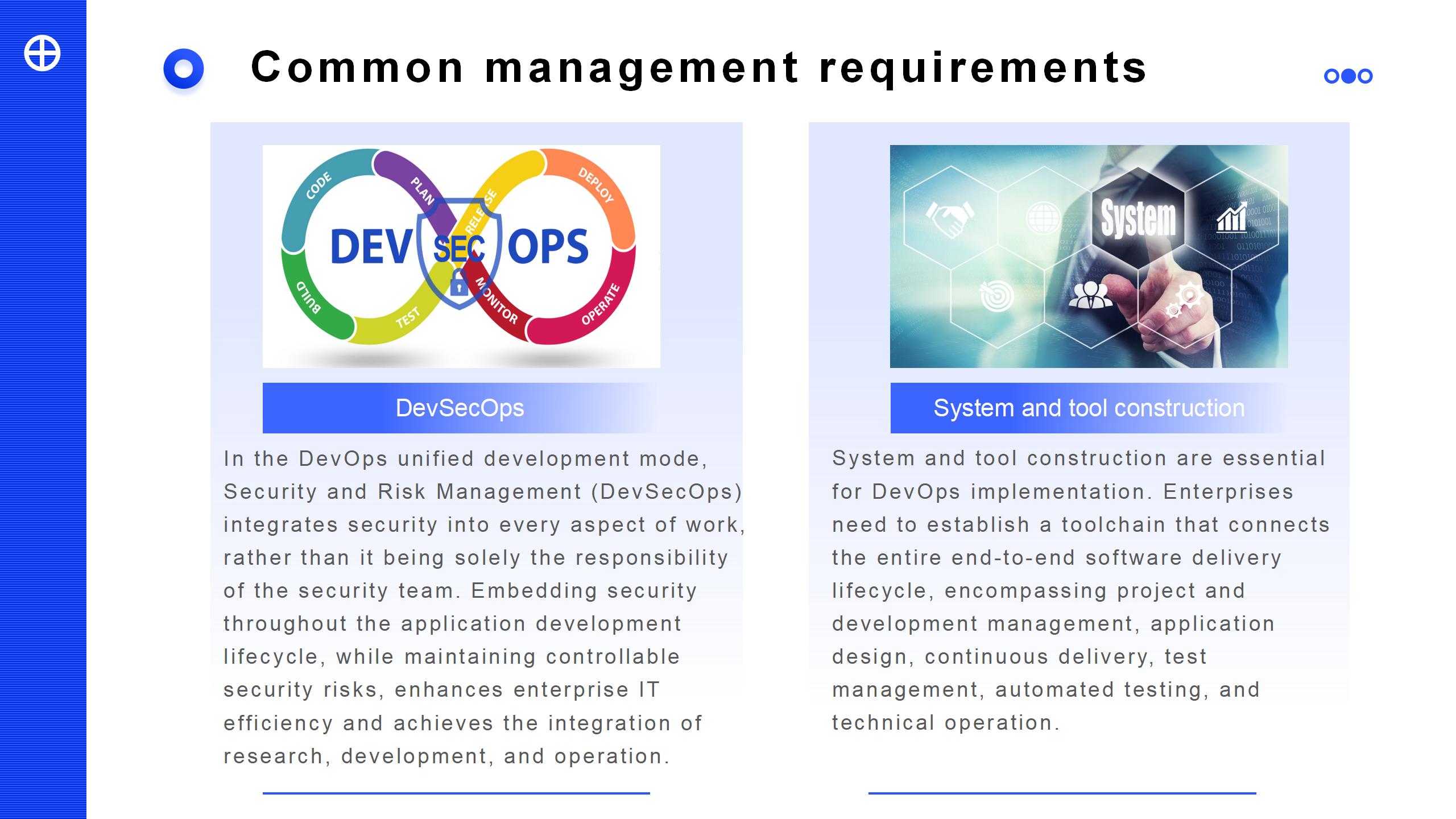 |
In the DevOps unified development mode, Security and Risk Management (DevSecOps) integrates security into every aspect of work, rather than it being solely the responsibility of the security team. Embedding security throughout the application development lifecycle, while maintaining controllable security risks, enhances enterprise IT efficiency and achieves the integration of research, development, and operation. We should control the overall risk, the risk of the development process, the risk of the delivery process and the risk of the operation process from four main aspects, by embedding security capabilities into daily norms and tools, with safety training and education means, to reach an internal consensus on security.
System and tool construction are essential for DevOps implementation. Enterprises need to establish a toolchain that connects the entire end-to-end software delivery lifecycle, encompassing project and development management, application design, continuous delivery, test management, automated testing, and technical operation. The market offers mature open-source or commercial systems and tool platforms, enabling enterprises to choose or develop secondary tools to create a DevOps tool chain tailored to their specific needs.
|
| ICACT20240456 Slide.10
[Big Slide]
[YouTube] |
Chrome Click!! |
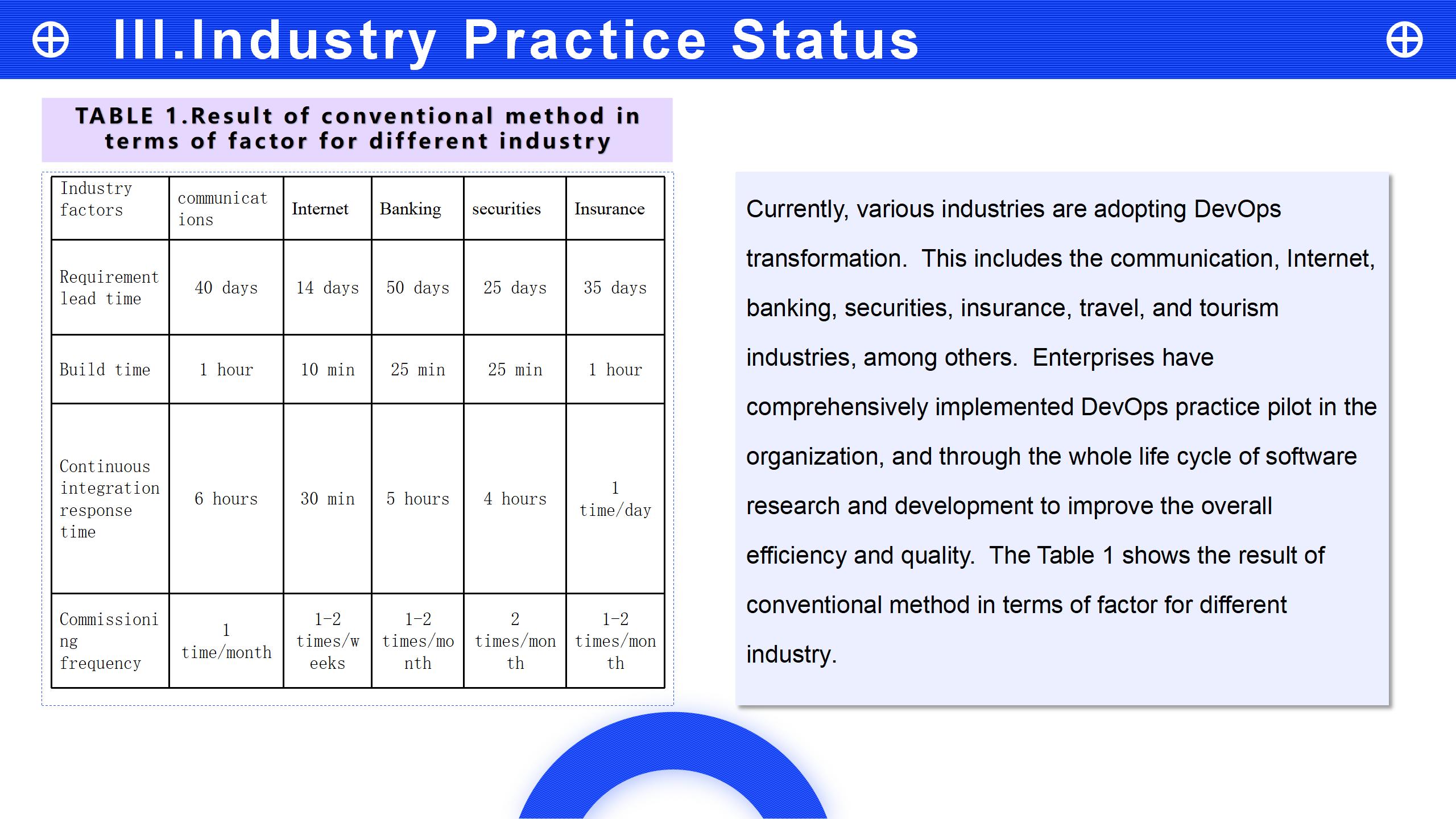 |
Currently, various industries are adopting DevOps transformation. This table includes the communication, Internet, banking, securities, insurance industries, among others. Enterprises have comprehensively implemented DevOps practice pilot in the organization, and through the whole life cycle of software research and development to improve the overall efficiency and quality. The Table 1 shows the result of conventional method in terms of factor for different industry.
|
| ICACT20240456 Slide.11
[Big Slide]
[YouTube] |
Chrome Click!! |
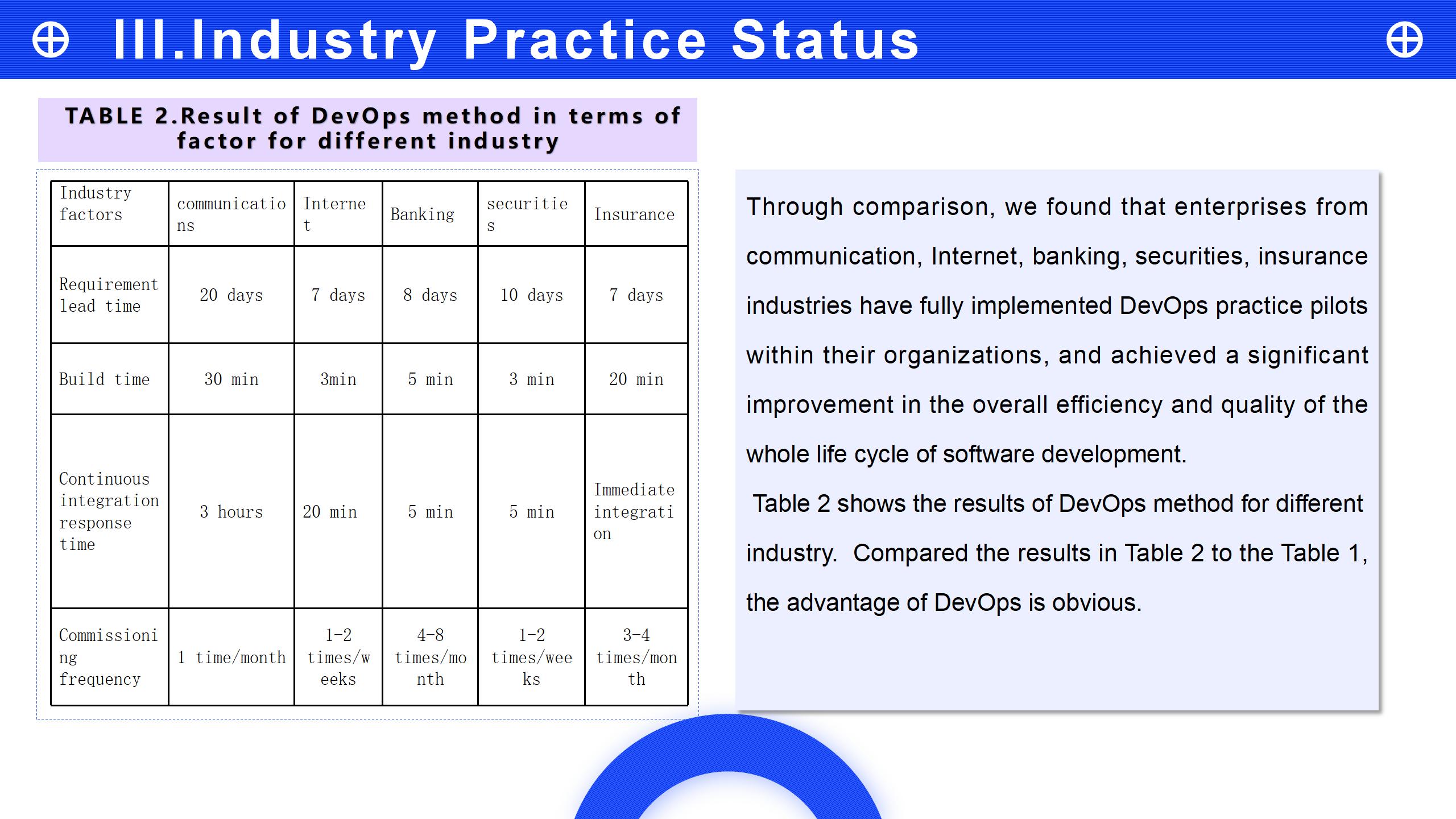 |
Through comparison, we found that enterprises from communication, Internet, banking, securities, insurance industries have fully implemented DevOps practice pilots within their organizations, and achieved a significant improvement in the overall efficiency and quality of the whole life cycle of software development.
Table 2 shows the results of DevOps method for different industry. Compared the results in Table 2 to the Table 1, the advantage of DevOps is obvious.
|
| ICACT20240456 Slide.12
[Big Slide]
[YouTube] |
Chrome Click!! |
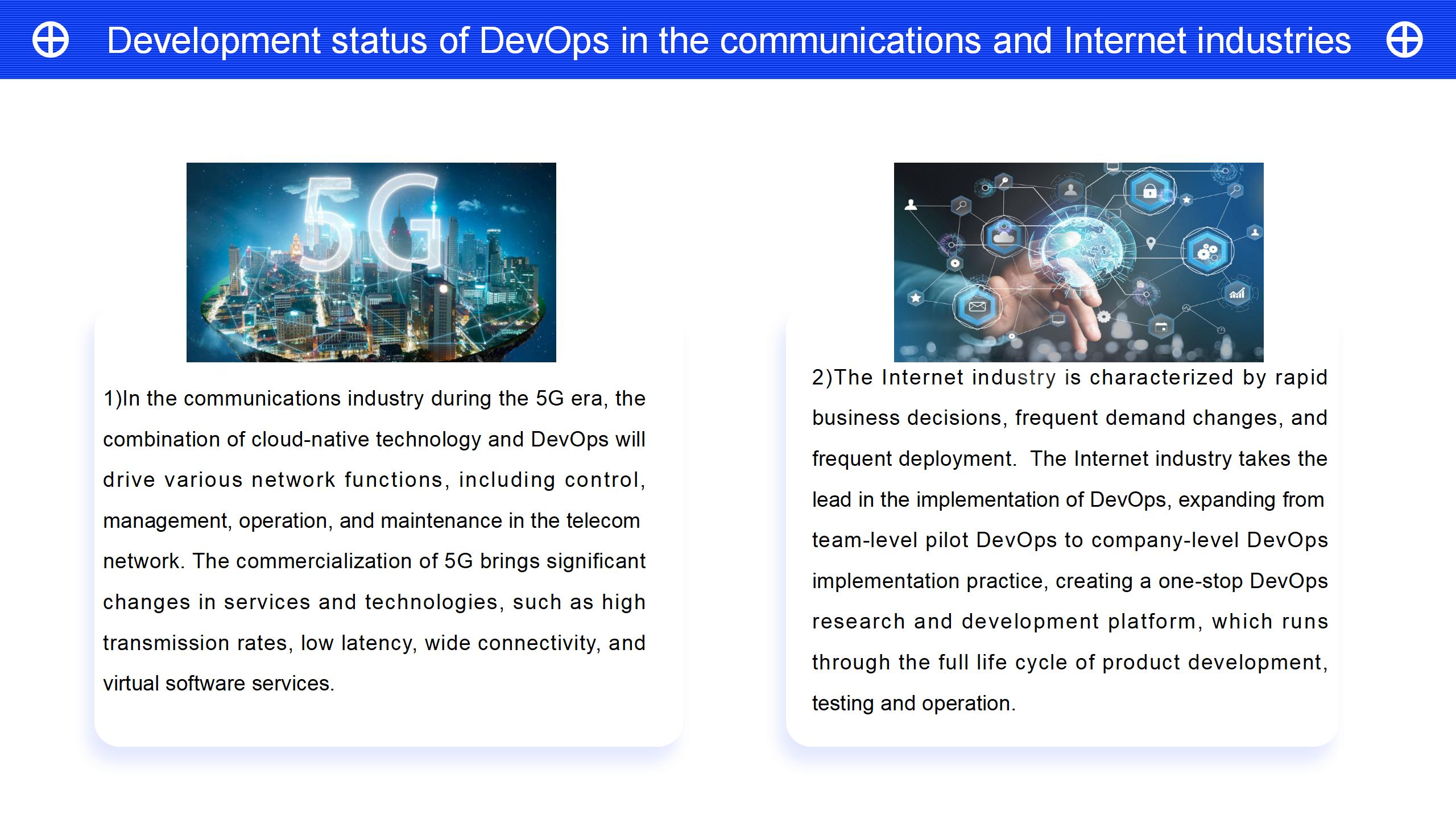 |
Next I will introduce the Development status of DevOps in the communications and Internet industries.
In the communications industry during the 5G era, the combination of cloud-native technology and DevOps will drive various network functions, including control, management, operation, and maintenance in the telecom network. The commercialization of 5G brings significant changes in services and technologies, such as high transmission rates, low latency, wide connectivity, and virtual software services. These advancements mean not only faster speeds but, more importantly, the ability to adapt to diverse service scenarios and quickly respond to market changes.
The Internet industry is characterized by rapid business decisions, frequent demand changes, and frequent deployment. Although the software architecture is large and complex, making system maintenance difficult and increasing deployment and operation costs, new technologies are being introduced at a rapid pace. The Internet industry takes the lead in the implementation of DevOps, expanding from team-level pilot DevOps to company-level DevOps implementation practice, creating a one-stop DevOps research and development platform, which runs through the full life cycle of product development, testing and operation.
|
| ICACT20240456 Slide.13
[Big Slide]
[YouTube] |
Chrome Click!! |
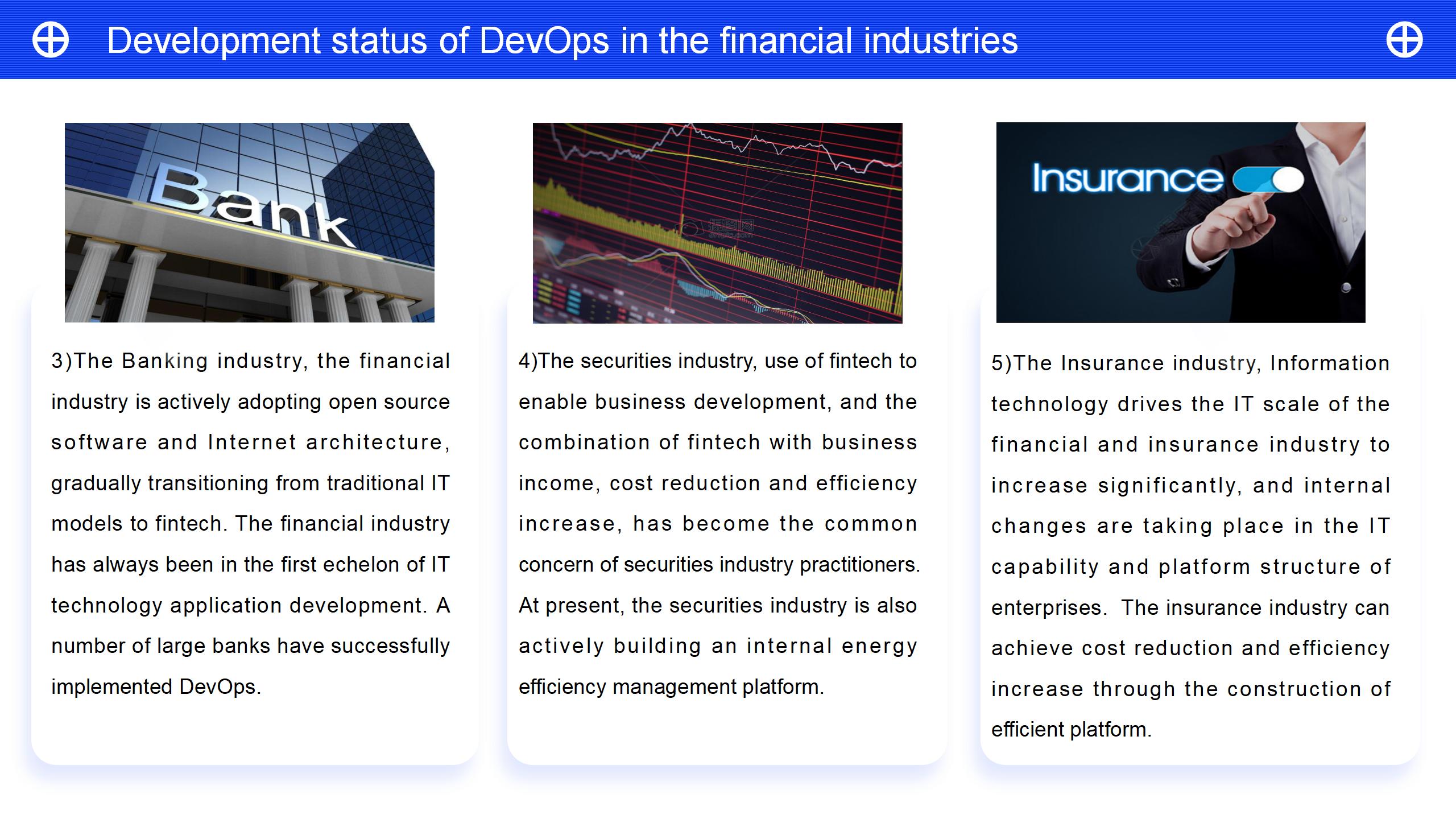 |
Next I will introduce the development status of DevOps in the financial industries , The Banking industry, the financial industry is actively adopting open source software and Internet architecture, gradually transitioning from traditional IT models to fintech. The financial industry has always been in the first echelon of IT technology application development. According to the evaluation data and statistics from the Information and Communication Institute, a number of large banks have successfully implemented DevOps.
The securities industry, the role of fintech in the securities industry is gradually emerging. Under the background of new technologies and new forms of business, the use of fintech to enable business development, and the combination of fintech with business income, cost reduction and efficiency increase, has become the common concern of securities industry practitioners. At present, the securities industry is also actively building an internal energy efficiency management platform.
The Insurance industry, Information technology drives the IT scale of the financial and insurance industry to increase significantly, and internal changes are taking place in the IT capability and platform structure of enterprises. Secondly, business scenarios are in urgent need of agile IT operation to cope with the flexible and changeable market demand. The insurance industry can achieve cost reduction and efficiency increase through the construction of efficient platform.
|
| ICACT20240456 Slide.14
[Big Slide]
[YouTube] |
Chrome Click!! |
 |
Next part is future development direction.
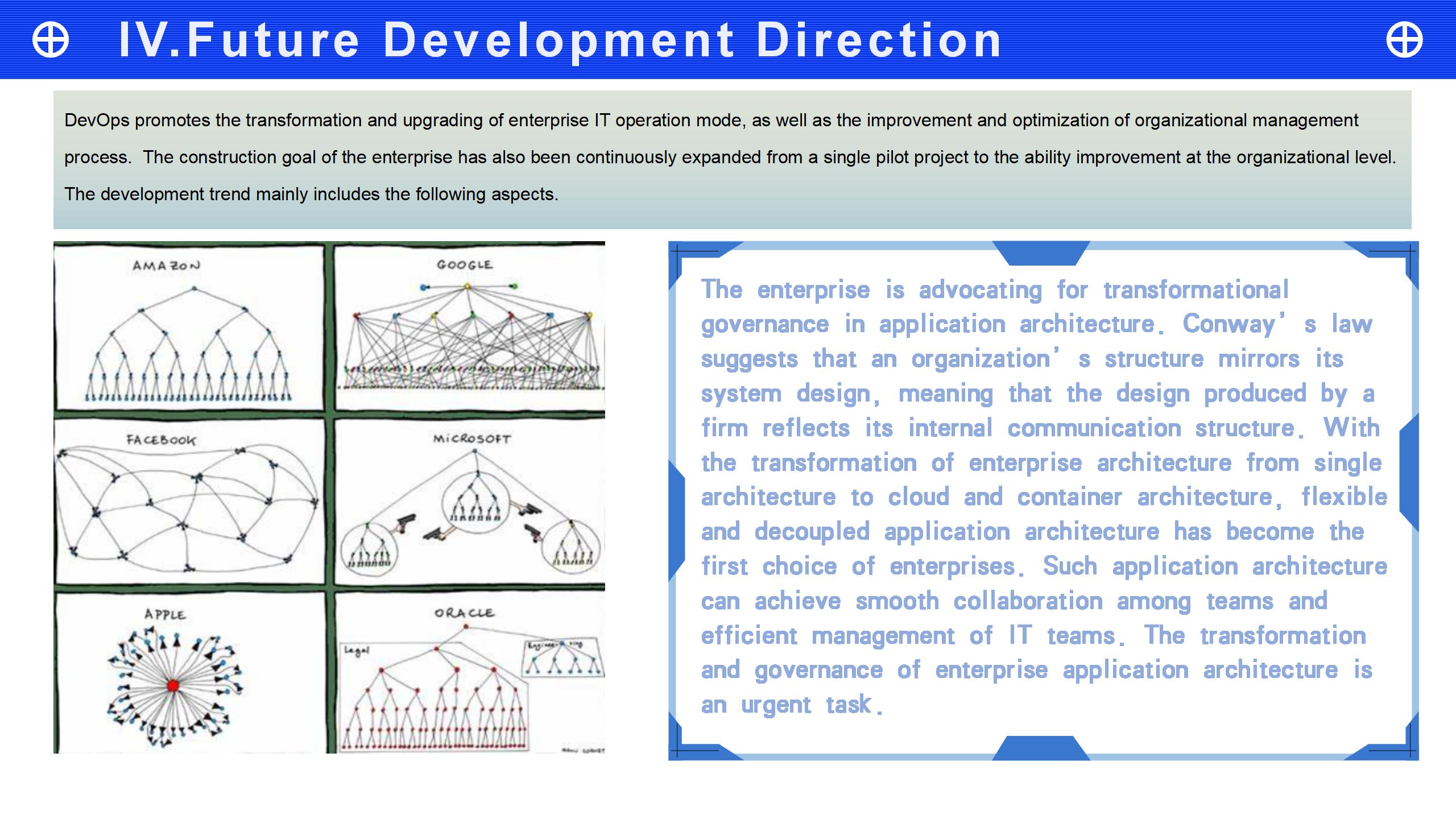
DevOps promotes the transformation and upgrading of enterprise IT operation mode, as well as the improvement and optimization of organizational management process. The construction goal of the enterprise has also been continuously expanded from a single pilot project to the ability improvement at the organizational level. The development trend mainly includes the following aspects.
The enterprise is advocating for transformational governance in application architecture. Conway’s law suggests that an organization’s structure mirrors its system design, meaning that the design produced by a firm reflects its internal communication structure. With the transformation of enterprise architecture from single architecture to cloud and container architecture, flexible and decoupled application architecture has become the first choice of enterprises. Such application architecture can achieve smooth collaboration among teams and efficient management of IT teams. The transformation and governance of enterprise application architecture is an urgent task.
|
| ICACT20240456 Slide.15
[Big Slide]
[YouTube] |
Chrome Click!! |
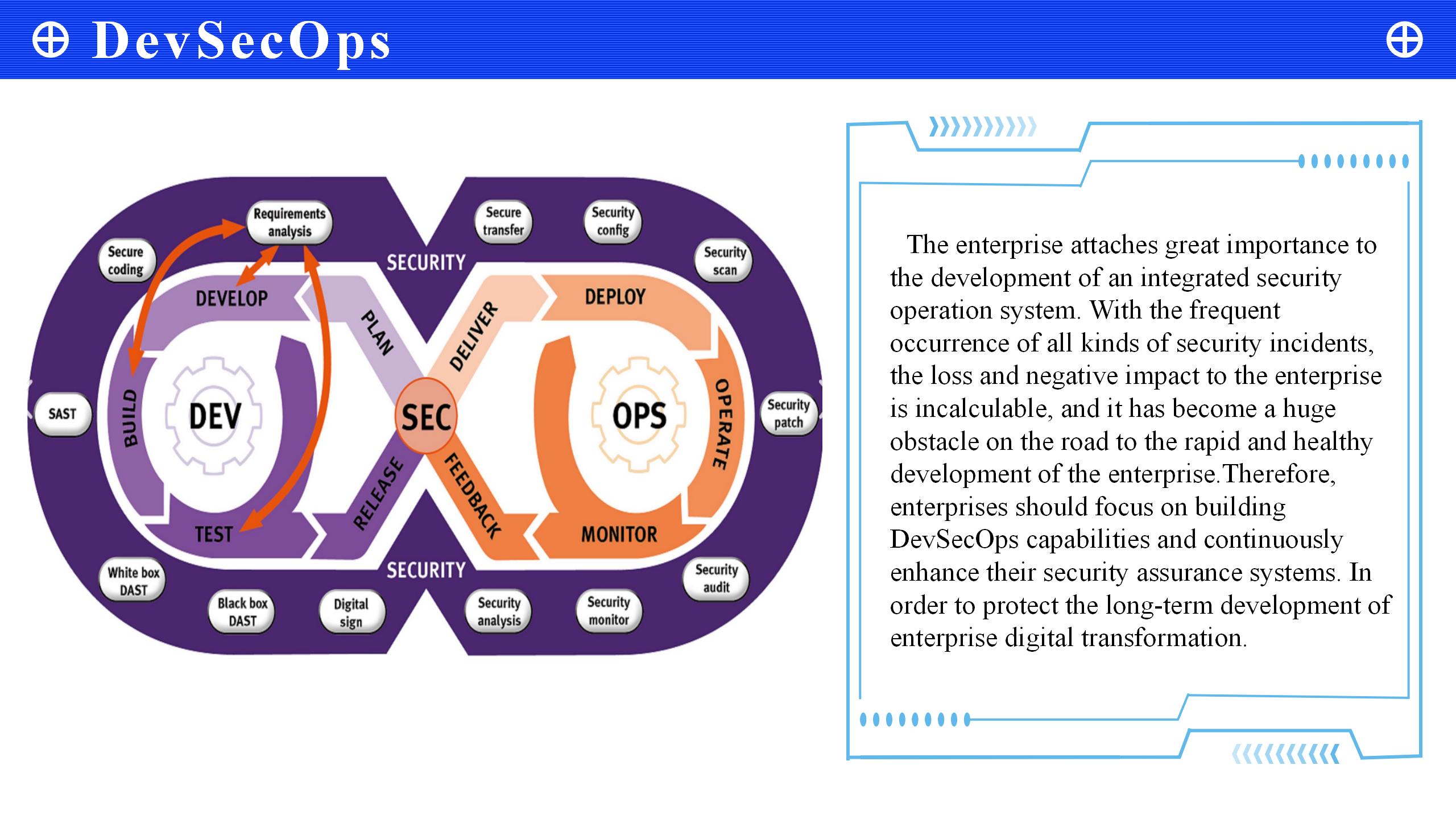 |
The next trend focuses on DevSecOps, The enterprise attaches great importance to the development of an integrated security operation system. With the frequent occurrence of all kinds of security incidents, the loss and negative impact to the enterprise is incalculable, and it has become a huge obstacle on the road to the rapid and healthy development of the enterprise. At the same time, according to National Security Law, and other regulations, clear provisions and requirements are established for information security and control during enterprise digital development. Therefore, enterprises should focus on building DevSecOps capabilities and continuously enhance their security assurance systems. In order to protect the long-term development of enterprise digital transformation.
|
| ICACT20240456 Slide.16
[Big Slide]
[YouTube] |
Chrome Click!! |
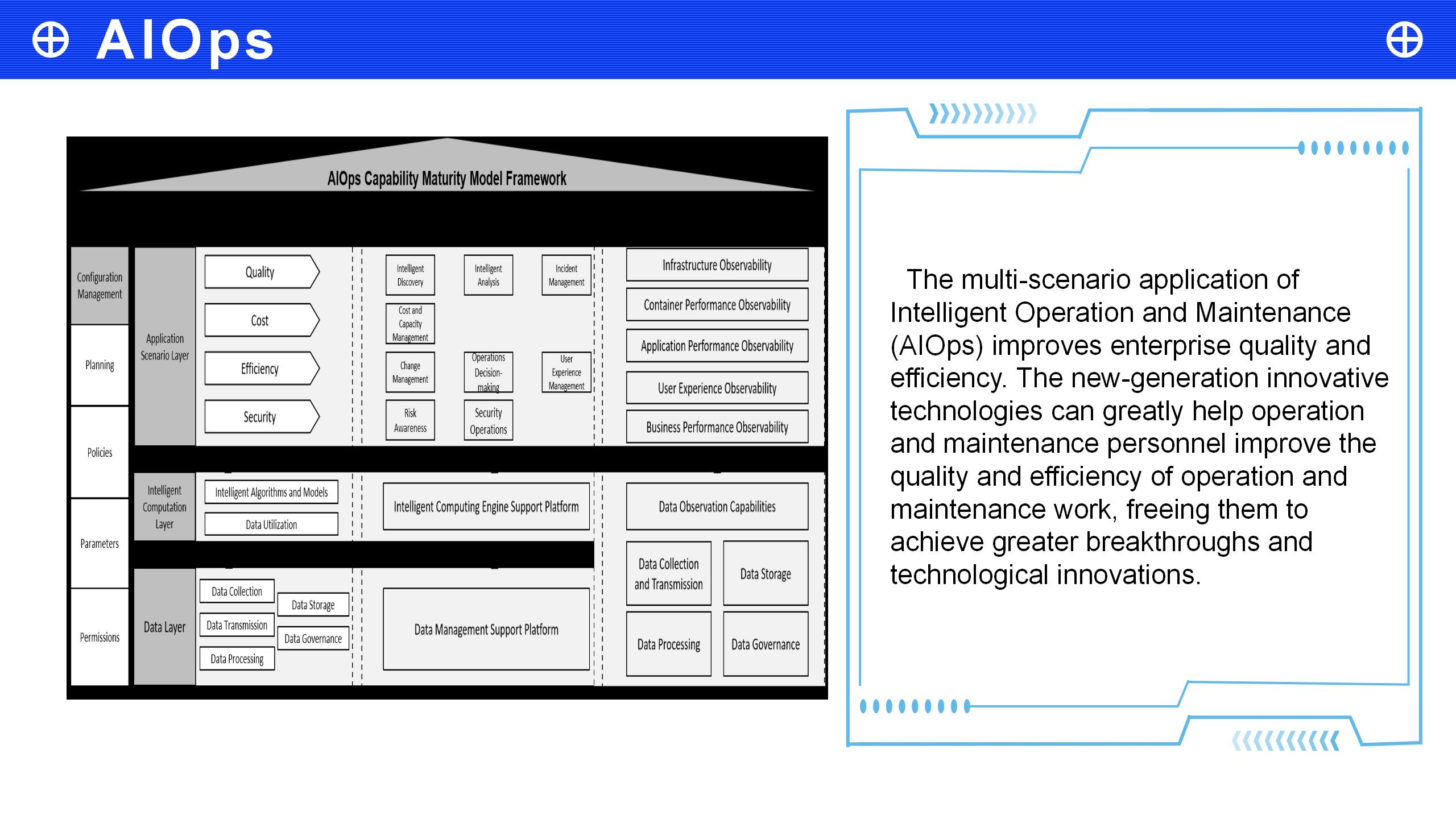 |
The next trend focuses on AIOps, The multi-scenario application of Intelligent Operation and Maintenance (AIOps) improves enterprise quality and efficiency. According to the analysis of AIOps Status Survey Report, at present, enterprises are facing problems such as expansion of business scale, complex system and explosion of users, which greatly challenge the traditional operation and maintenance mode and increase the difficulty of operation and maintenance. AI, big data and other new-generation innovative technologies can greatly help operation and maintenance personnel improve the quality and efficiency of operation and maintenance work, freeing them to achieve greater breakthroughs and technological innovations.
|
| ICACT20240456 Slide.17
[Big Slide]
[YouTube] |
Chrome Click!! |
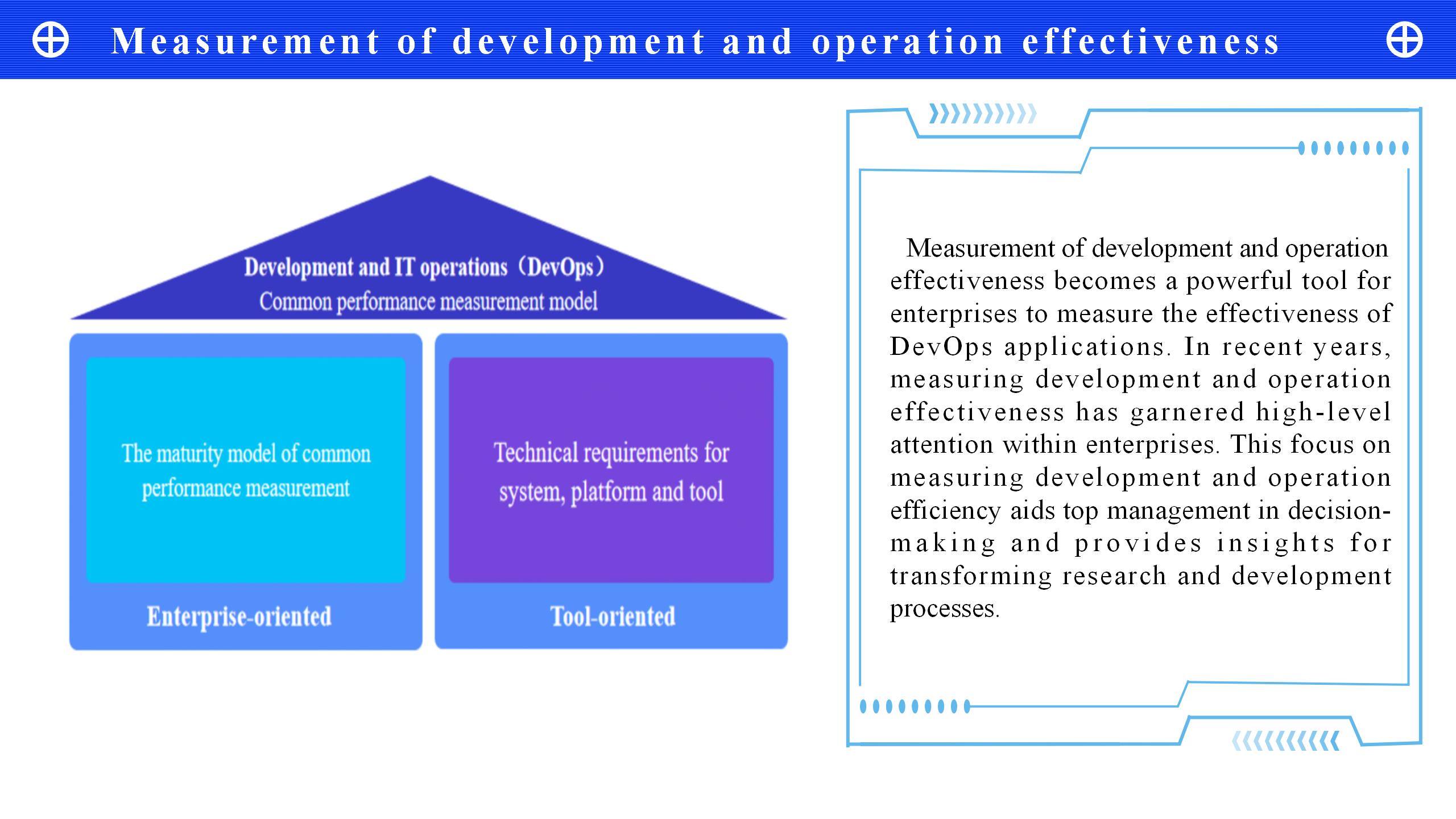 |
The next trend focuses on measurement of development and operation effectiveness becomes a powerful tool for enterprises to measure the effectiveness of DevOps applications. In recent years, measuring development and operation effectiveness has garnered high-level attention within enterprises. In our countty like Baidu, Tencent, Alibaba, and JD.com have been exploring engineering practices to enhance development efficiency. This focus on measuring development and operation efficiency aids top management in decision-making and provides insights for transforming research and development processes.
|
| ICACT20240456 Slide.18
[Big Slide]
[YouTube] |
Chrome Click!! |
 |
The fifth part is the conclusion, Global enterprises have embraced DevOps as a way to improve business processes. As a new governance paradigm in the field of DevOps , not only refers to a technology or solution, but also emphasizes the communication and cooperation between development, testing, operation and maintenance departments and cultural penetration, so as to improve the efficiency, quality and team culture of software delivery. In the future, more enterprises will practice DevOps, and more enterprises will move forward from DevOps comprehensive level to excellent level. It is also expected that DevOps can achieve integrated innovation and development in the future, and continue to promote the high-quality development of software industry.
|
| ICACT20240456 Slide.19
[Big Slide]
[YouTube] |
Chrome Click!! |
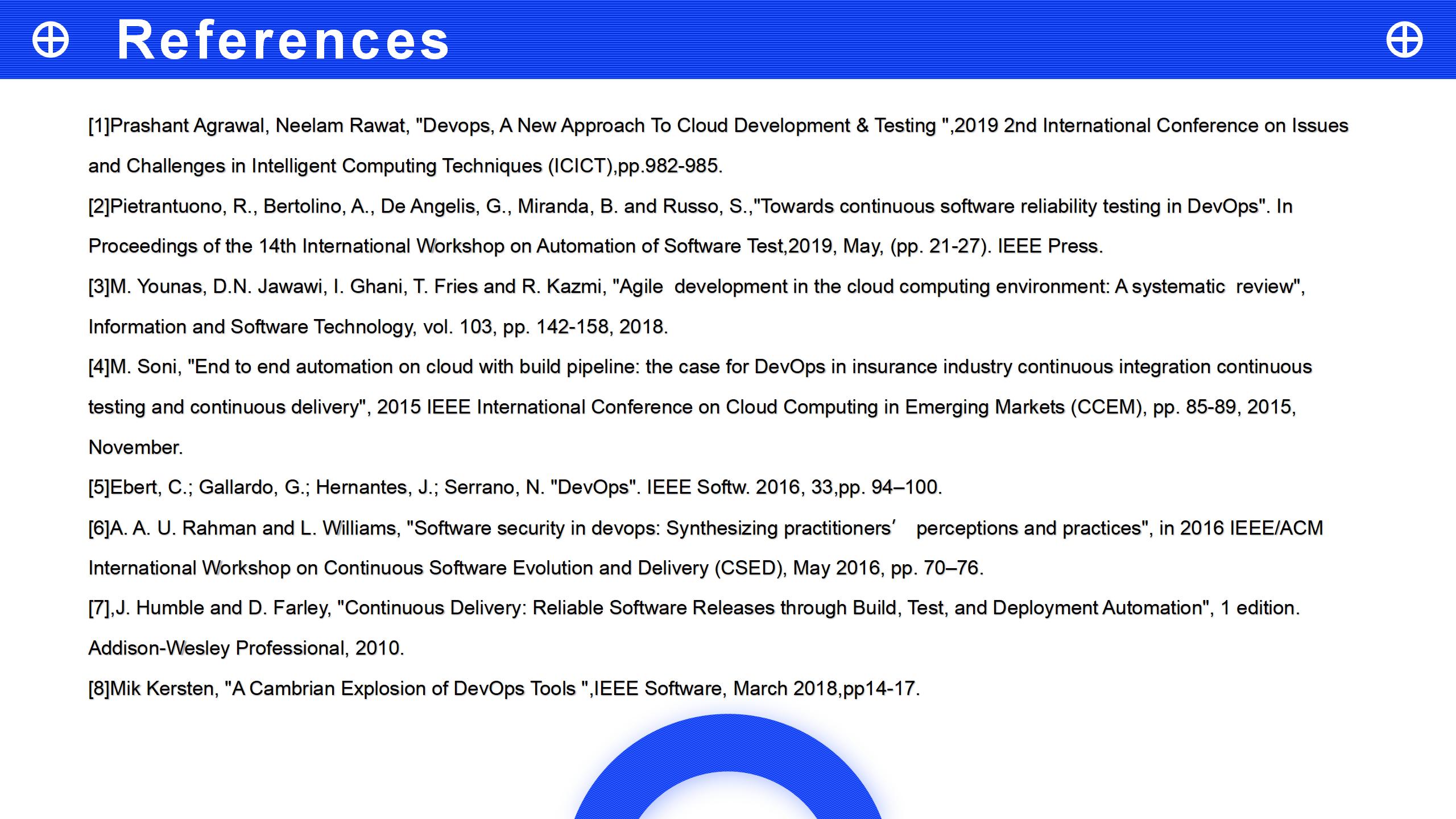 |
The last part is the references. We wrote this paper by studying many references, hoping to share with you.
|
| ICACT20240456 Slide.20
[Big Slide]
[YouTube] |
Chrome Click!! |
 |
That's all for today's presentation. Thank you for listening. I hope my presentation today can bring you some benefits
|
| |





