 ICACT20260337 Slide.01
[Big Slide] |
Chrome  Click!! |
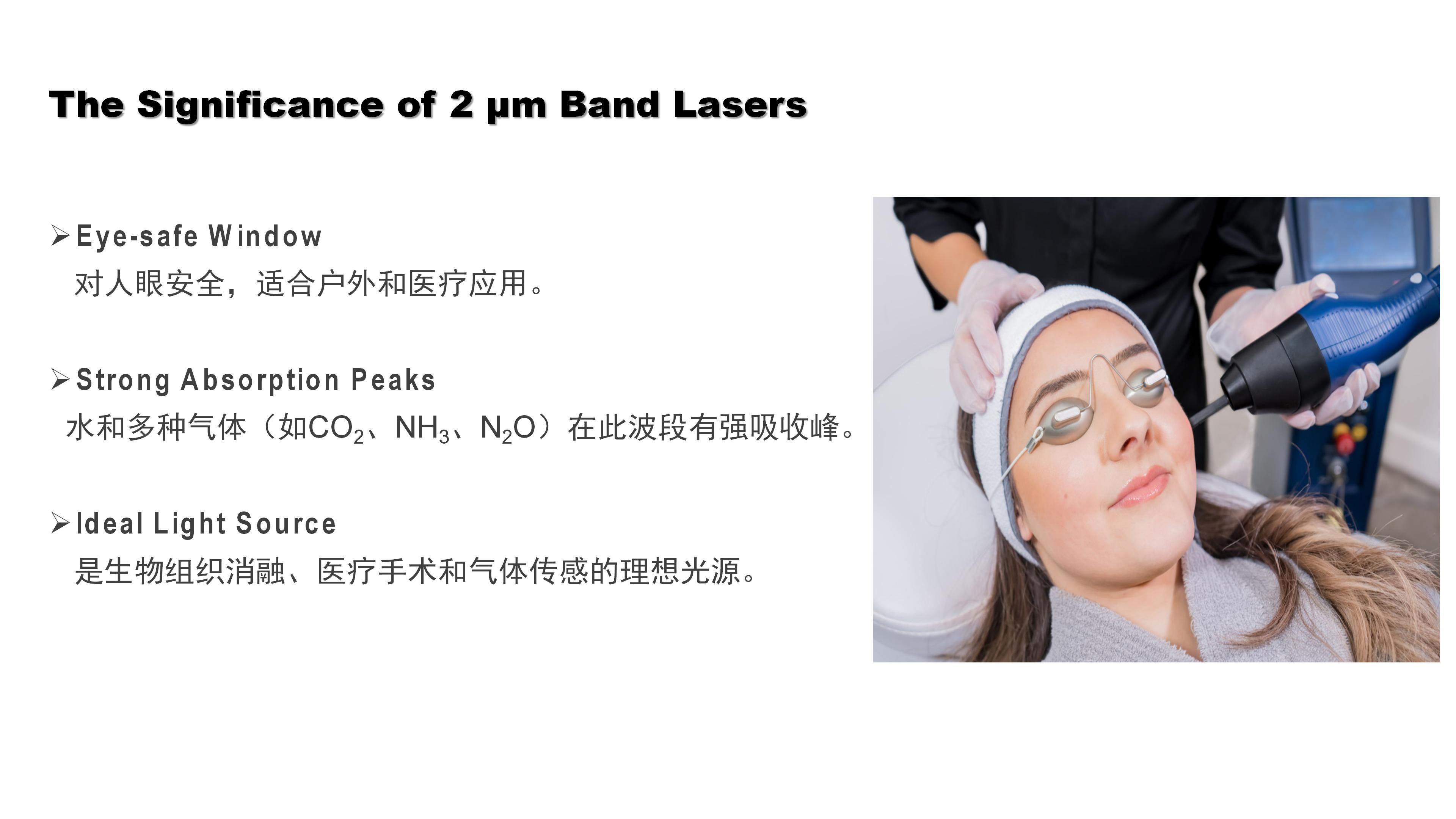 |
Firstly, it is located in the eye-safe window. This means it poses no harm to human eyes, making it extremely suitable for outdoor operations and various medical applications where personnel safety is a top priority.
Secondly, water and many gases such as CO₂, NH₃, and N₂O have strong absorption peaks in this band. This unique spectral characteristic makes it an ideal choice for targeted applications.
Thirdly, leveraging these advantages, it has become the ideal light source for biological tissue ablation, medical surgeries, and gas sensing. Its ability to interact effectively with biological tissues and specific gases opens up broad application prospects in multiple key fields. |
| ICACT20260337 Slide.02
[Big Slide]
|
Chrome Click!! |
 |
Before we proceed, let’s take a quick look at the outline of today’s presentation. I will start with the introduction to the background and significance of the research, followed by a detailed description of the experimental setup. Then, I will share the key results and in-depth discussions. Finally, I will summarize the conclusions and outline future research directions. References are also provided for further reference. |
| ICACT20260337 Slide.03
[Big Slide]
|
Chrome Click!! |
 |
First, let’s explore why the 2 μm band lasers are so important. This wavelength band has three core advantages: |
| ICACT20260337 Slide.05
[Big Slide]
|
Chrome Click!! |
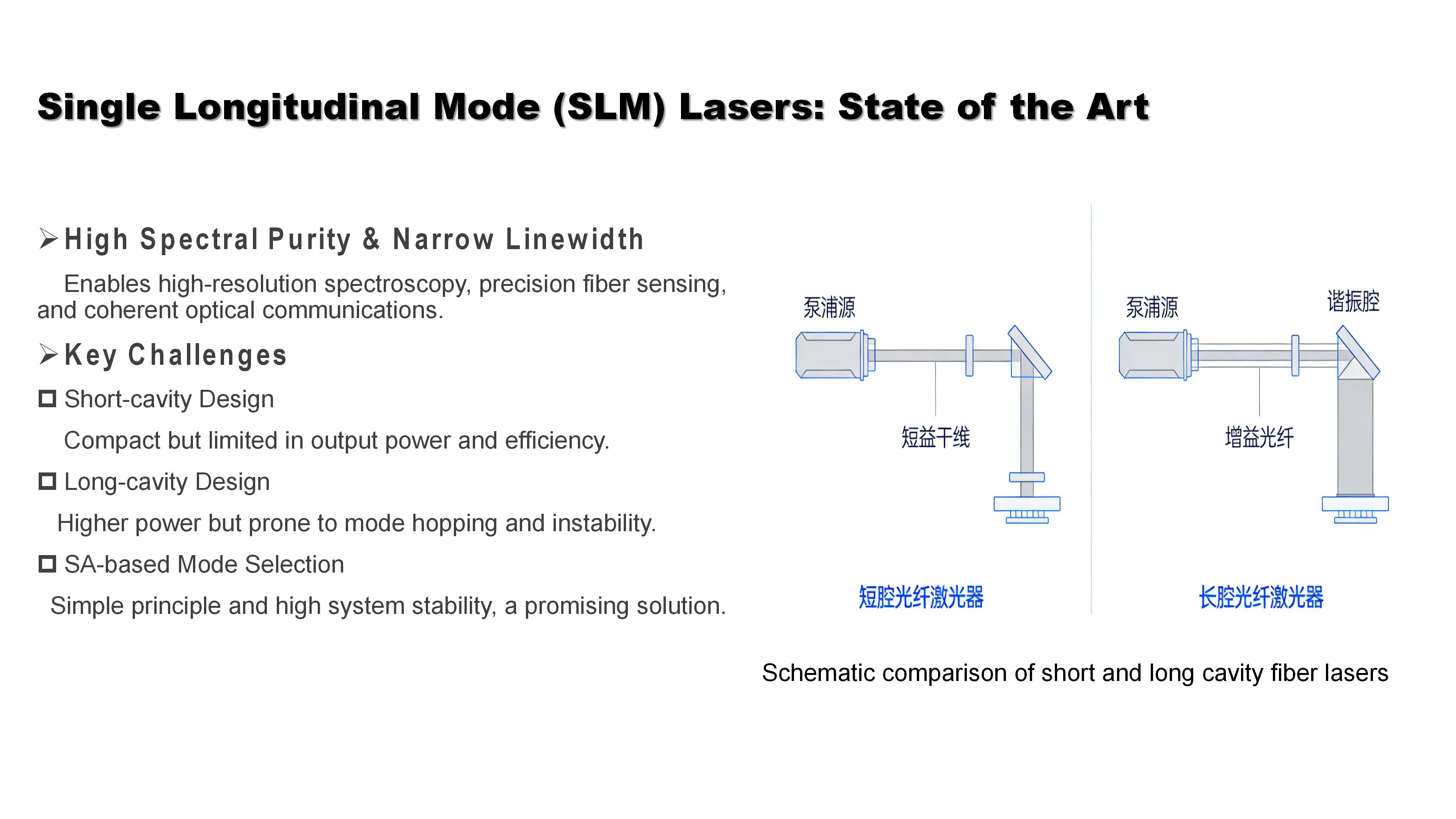 |
Now, let’s turn our attention to single longitudinal mode (SLM) lasers. As a core device, SLM lasers are highly valued for their high spectral purity and narrow linewidth. These properties enable their wide application in high-resolution spectroscopy, precision fiber sensing, and coherent optical communications.
However, the development of SLM lasers currently faces significant challenges. Short-cavity design, while compact in structure, is limited in output power and efficiency. On the other hand, long-cavity design can achieve higher power but is prone to mode hopping and poor stability, which affects its reliability in practical applications.
Fortunately, the mode selection method based on a saturable absorber (SA) stands out. It features a simple principle and ensures high system stability, making it a promising solution to overcome the aforementioned challenges. The schematic diagram on the slide clearly shows the comparison between short and long cavity fiber lasers, helping us better understand their respective characteristics. |
| ICACT20260337 Slide.06
[Big Slide]
|
Chrome Click!! |
 |
Next, let’s take a detailed look at the experimental setup of our proposed laser. |
| ICACT20260337 Slide.07
[Big Slide]
|
Chrome Click!! |
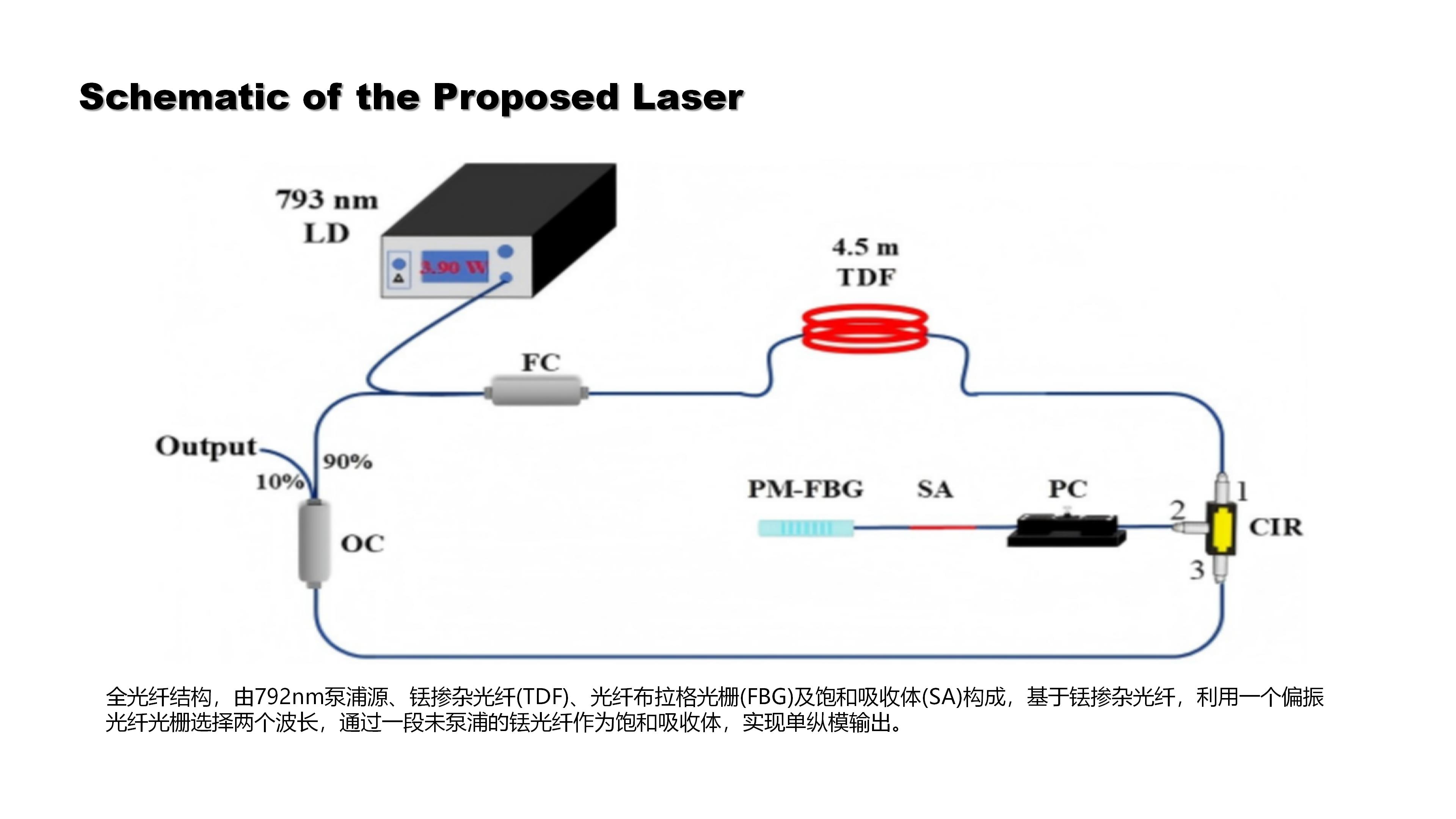 |
It adopts an all-fiber structure, which is composed of a 792 nm pump source, thulium-doped fiber (TDF), fiber Bragg grating (FBG), and saturable absorber (SA).
The design concept is innovative yet practical: based on thulium-doped fiber, we use a polarization-maintaining fiber Bragg grating (PM-FBG) to select two specific wavelengths. Meanwhile, a section of unpumped thulium-doped fiber serves as the saturable absorber. Through this combination, we successfully achieve single longitudinal mode output, laying the foundation for the excellent performance of the laser. |
| ICACT20260337 Slide.08
[Big Slide]
|
Chrome Click!! |
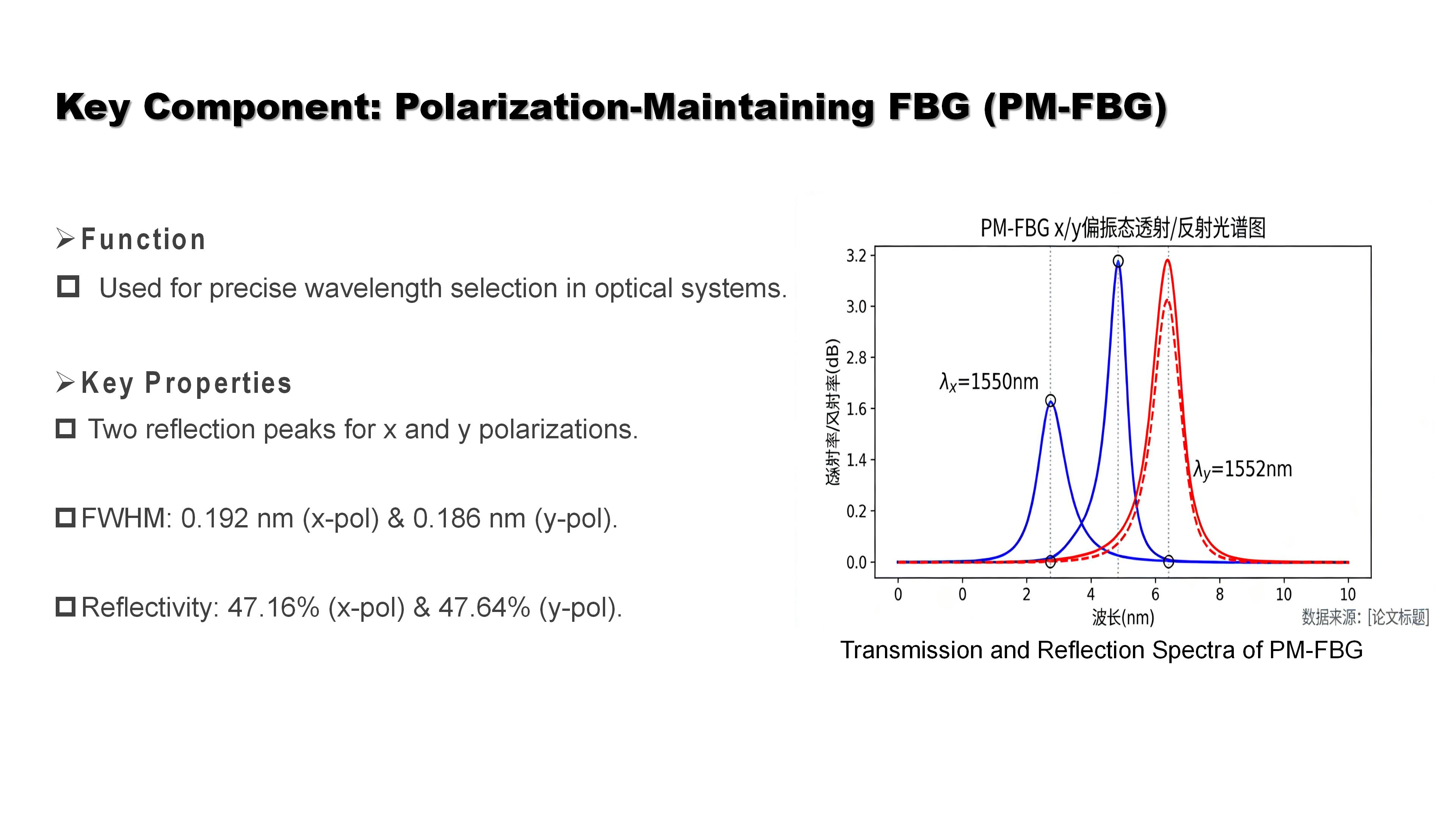 |
The first key component I want to introduce is the polarization-maintaining FBG (PM-FBG). Its primary function is to realize precise wavelength selection in the optical system.
From the transmission and reflection spectra diagram, we can see its key properties: it has two distinct reflection peaks corresponding to the x and y polarizations. For the x-polarization, the central wavelength is 1550 nm, the full width at half maximum (FWHM) is 0.192 nm, and the reflectivity reaches 47.16%. For the y-polarization, the central wavelength is 1552 nm, the FWHM is 0.186 nm, and the reflectivity is 47.64%. These precise parameters ensure accurate and reliable wavelength screening, which is crucial for the dual-wavelength switching function of the laser. |
| ICACT20260337 Slide.09
[Big Slide]
|
Chrome Click!! |
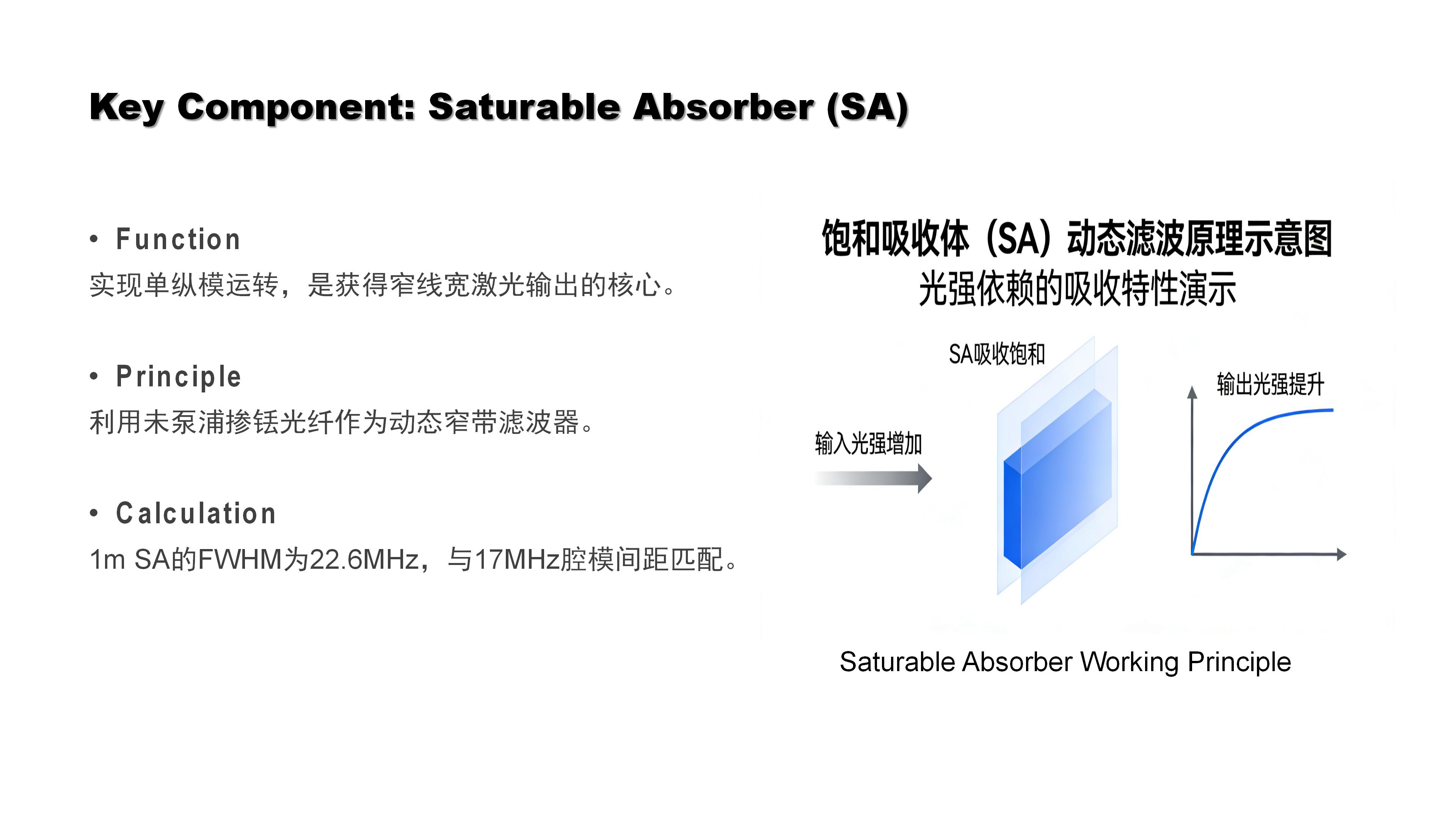 |
The other core component is the saturable absorber (SA), which is the key to achieving single longitudinal mode operation and obtaining narrow linewidth laser output.
Its working principle is based on using unpumped thulium-doped fiber as a dynamic narrowband filter. As shown in the principle diagram, with the increase of input light intensity, the SA reaches absorption saturation, and the output light intensity is significantly improved. Through calculation, we know that the FWHM of a 1-meter-long SA is 22.6 MHz, which perfectly matches the 17 MHz cavity mode spacing. This precise matching ensures the effective realization of single longitudinal mode output. |
| ICACT20260337 Slide.10
[Big Slide]
|
Chrome Click!! |
 |
Now, let’s move on to the exciting experimental results. |
| ICACT20260337 Slide.11
[Big Slide]
|
Chrome Click!! |
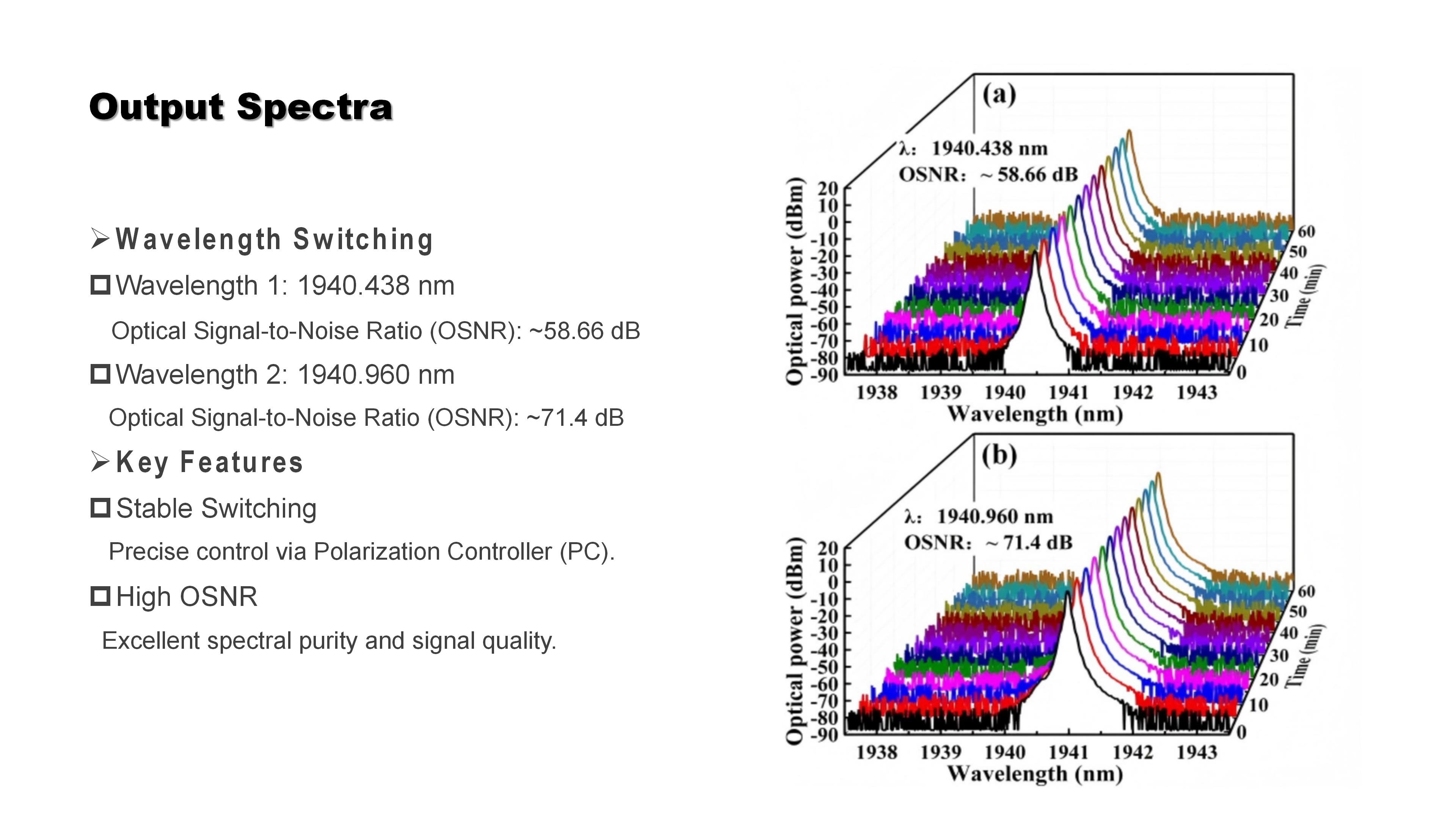 |
The first wavelength is 1940.438 nm, with an optical signal-to-noise ratio (OSNR) of approximately 58.66 dB. The second wavelength is 1940.960 nm, and its OSNR is as high as 71.4 dB. These two wavelengths exhibit two key features: on one hand, through the polarization controller (PC), we can achieve stable and precise wavelength switching control; on the other hand, the high OSNR values indicate excellent spectral purity and signal quality, laying a solid foundation for practical applications. |
| ICACT20260337 Slide.12
[Big Slide]
|
Chrome Click!! |
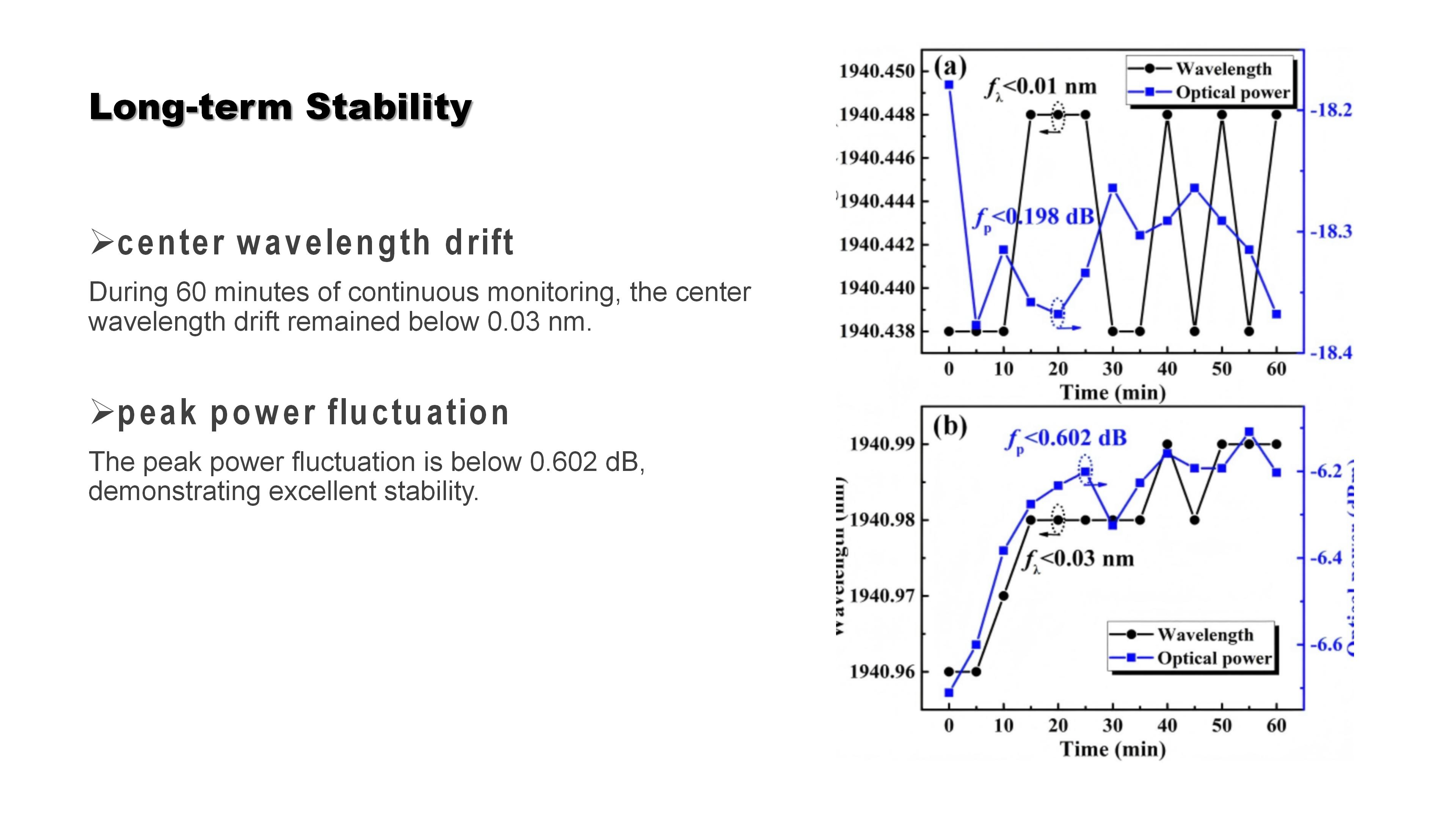 |
Long-term stability is a crucial indicator for evaluating the performance of lasers. We conducted a 60-minute continuous monitoring test, and the results are remarkable.
For both wavelengths, the center wavelength drift remained below 0.03 nm, and the peak power fluctuation was less than 0.602 dB. These data fully demonstrate that our laser has outstanding long-term stability, which can meet the requirements of long-time continuous operation in practical application scenarios and ensure the reliability of the system. |
| ICACT20260337 Slide.13
[Big Slide]
|
Chrome Click!! |
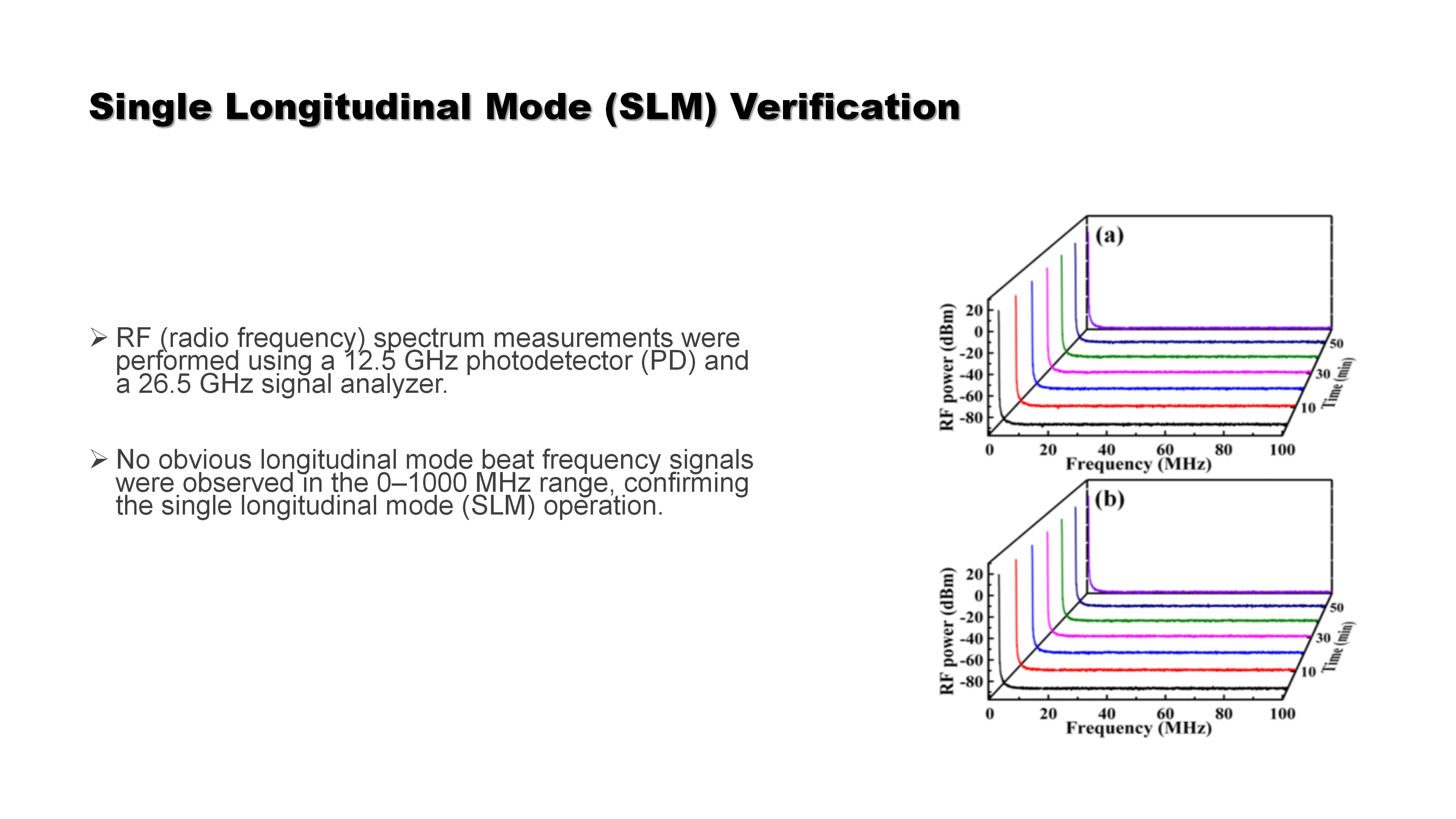 |
To verify the single longitudinal mode characteristics of the laser, we performed radio frequency (RF) spectrum measurements using a 12.5 GHz photodetector (PD) and a 26.5 GHz signal analyzer.
The test results show that in the frequency range of 0–1000 MHz, no obvious longitudinal mode beat frequency signals were observed. This result strongly confirms that our laser operates stably in single longitudinal mode, which is consistent with our design expectations and provides a guarantee for its application in high-precision fields. |
| ICACT20260337 Slide.14
[Big Slide]
|
Chrome Click!! |
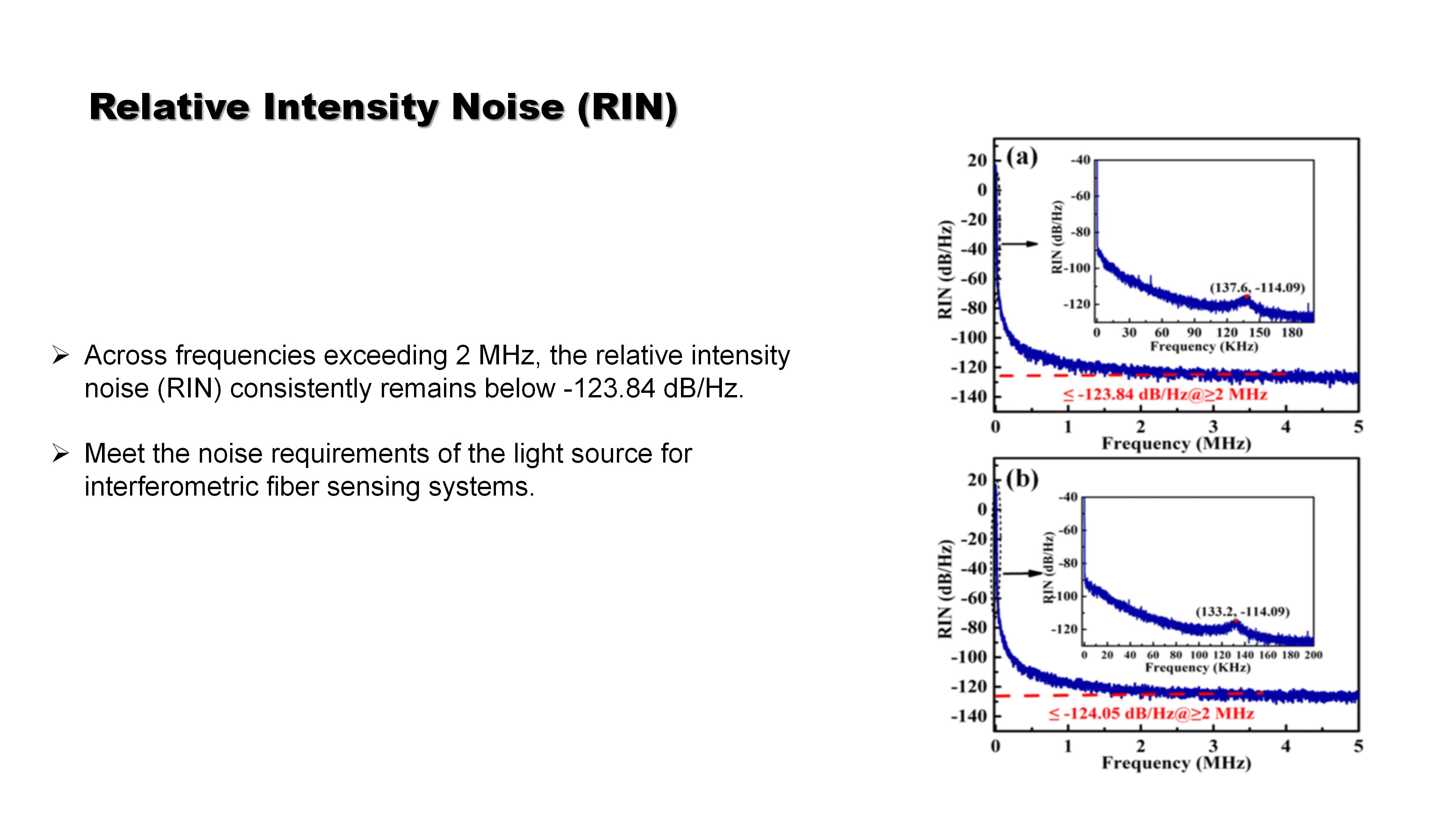 |
Relative intensity noise (RIN) is another key performance indicator. As can be seen from the test curves, when the frequency exceeds 2 MHz, the RIN of the laser consistently remains below -123.84 dB/Hz.
This excellent noise performance fully meets the noise requirements of the light source for interferometric fiber sensing systems. It means that our laser can provide stable and low-noise light signals, which is of great significance for improving the detection accuracy and reliability of sensing systems. |
| ICACT20260337 Slide.15
[Big Slide]
|
Chrome Click!! |
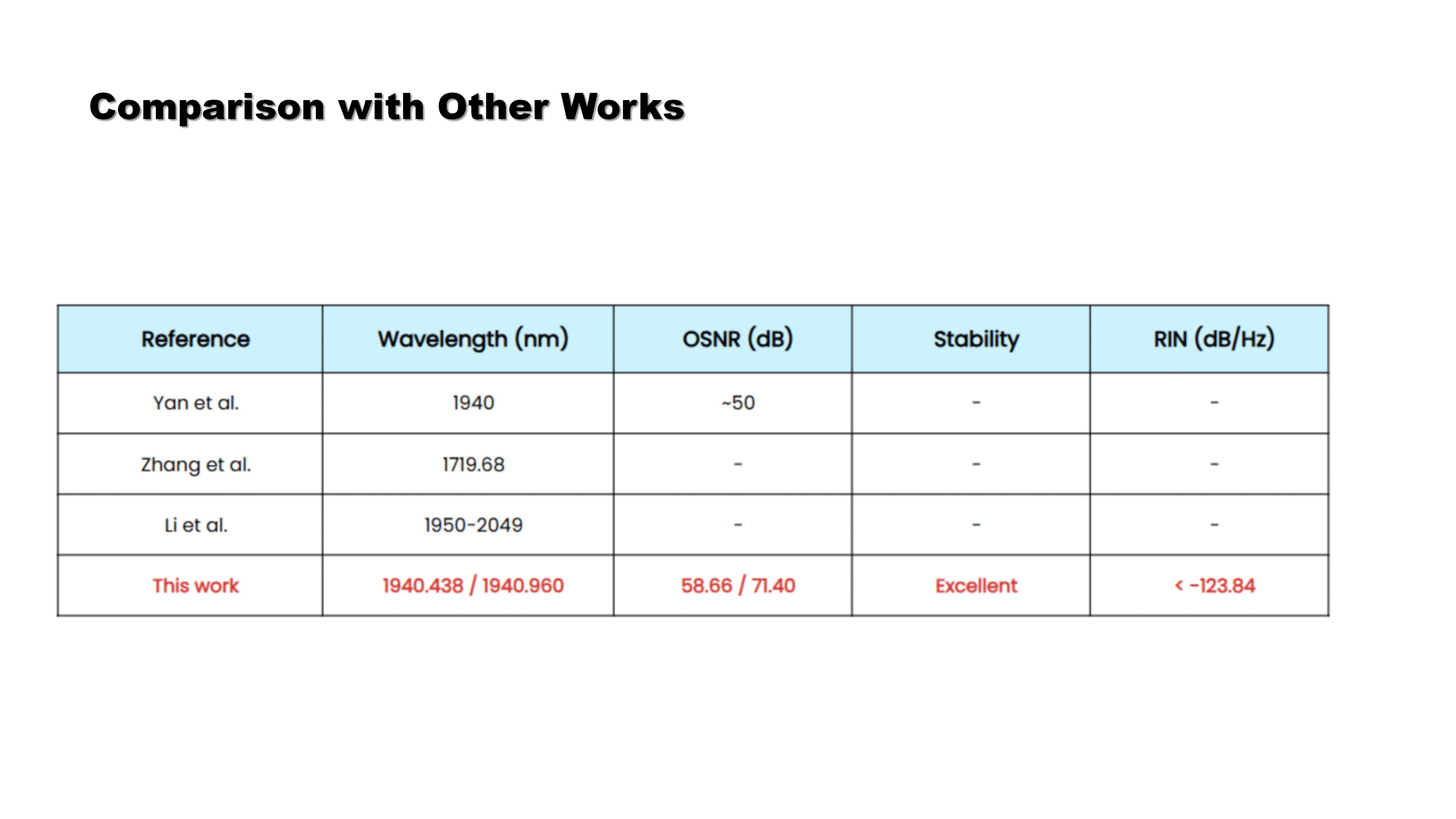 |
To further highlight the advantages of our research, we compared our laser with other related works. As shown in the comparison chart, our proposed laser exhibits significant advantages in multiple aspects such as stability, noise control, and wavelength switching performance.
In addition, its simple all-fiber structure not only enhances the environmental adaptability of the system but also improves its compatibility with other optical systems. This makes our laser more competitive in practical applications and has broader promotion prospects. |
| ICACT20260337 Slide.16
[Big Slide]
|
Chrome Click!! |
 |
Based on the above experimental research, we draw the following conclusions: |
| ICACT20260337 Slide.17
[Big Slide]
|
Chrome Click!! |
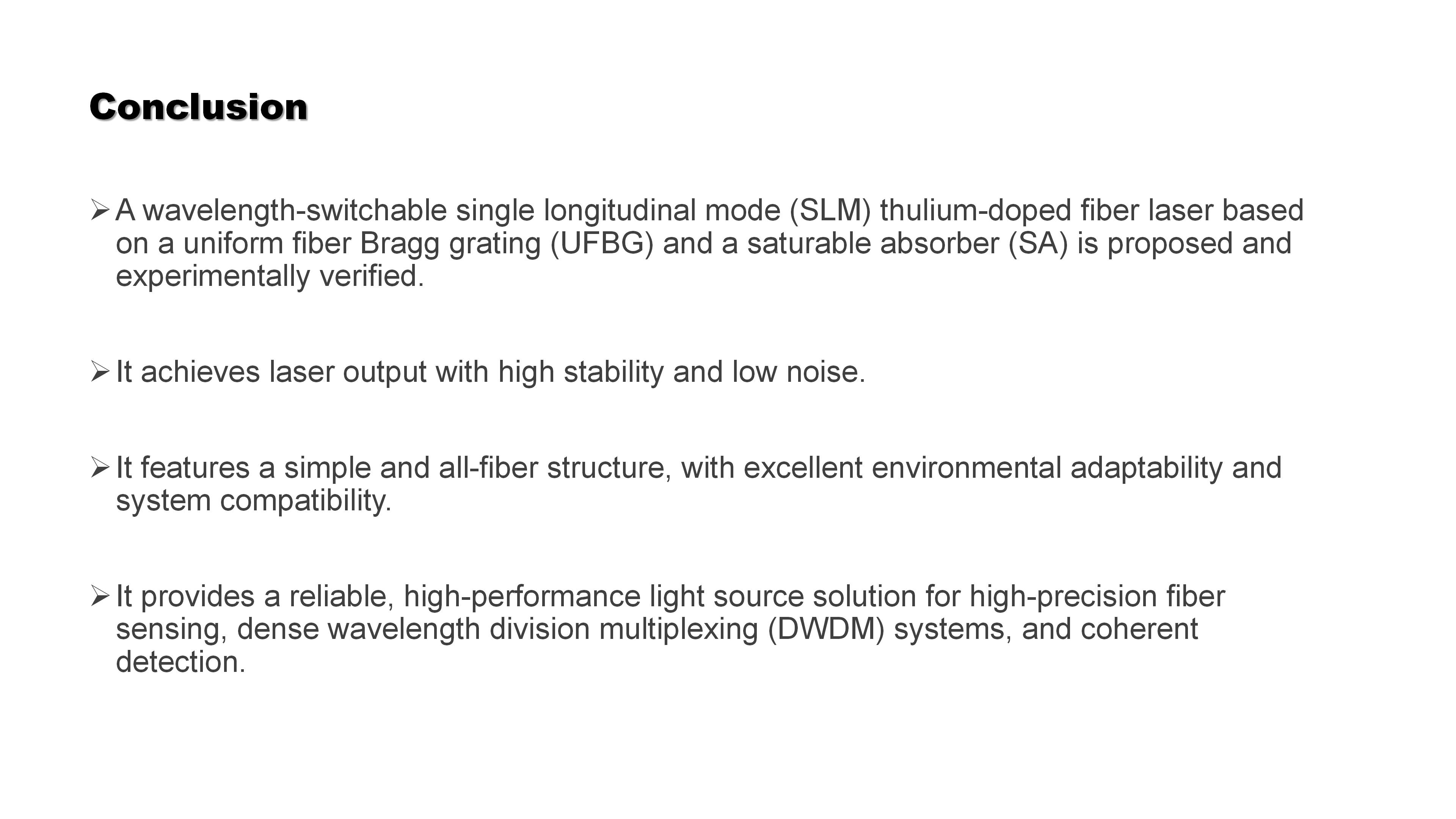 |
We have successfully proposed and experimentally verified a wavelength-switchable single longitudinal mode thulium-doped fiber laser based on a uniform fiber Bragg grating (UFBG) and a saturable absorber (SA).
This laser achieves laser output with high stability and low noise. It features a simple and all-fiber structure, with excellent environmental adaptability and system compatibility.
Importantly, it provides a reliable and high-performance light source solution for high-precision fiber sensing, dense wavelength division multiplexing (DWDM) systems, and coherent detection, which is expected to promote the development of related fields. |
| ICACT20260337 Slide.18
[Big Slide]
|
Chrome Click!! |
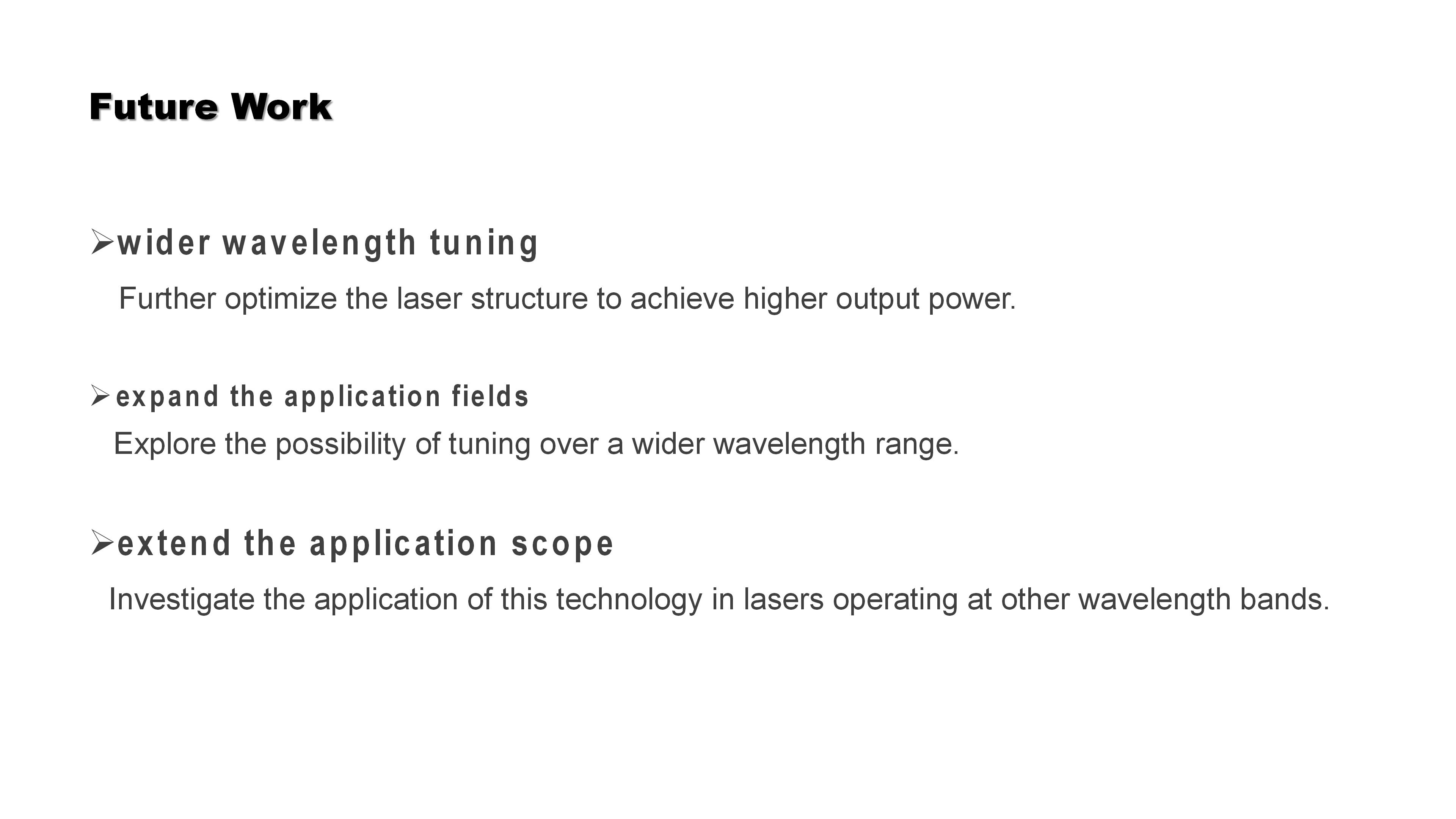 |
While achieving certain results, we also have clear plans for future work:
Firstly, we will further optimize the laser structure to achieve higher output power, meeting the needs of more high-power application scenarios.
Secondly, we will explore the possibility of tuning over a wider wavelength range, expanding the application scope of the laser.
Thirdly, we will investigate the application of this technology in lasers operating at other wavelength bands, striving to extend the innovative value of this research to more fields. |
| ICACT20260337 Slide.19
[Big Slide]
|
Chrome Click!! |
 |
For more detailed technical details and theoretical support, you can refer to the references listed on this slide. These references cover a wide range of related research results, providing a comprehensive theoretical and experimental basis for our research. |
| ICACT20260337 Slide.20
[Big Slide]
|
Chrome Click!! |
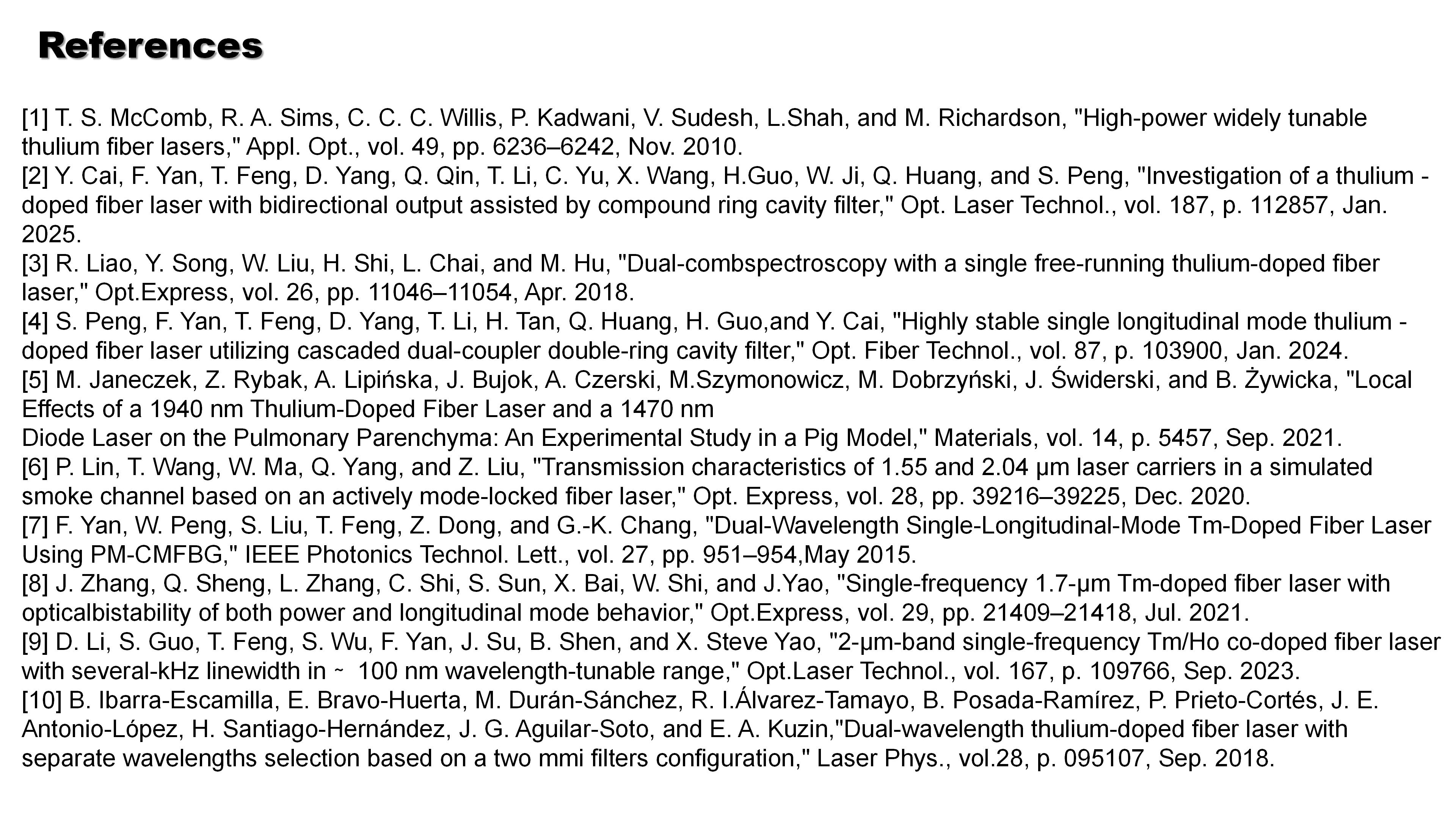 |
thats references |
| ICACT20260337 Slide.21
[Big Slide]
|
Chrome Click!! |
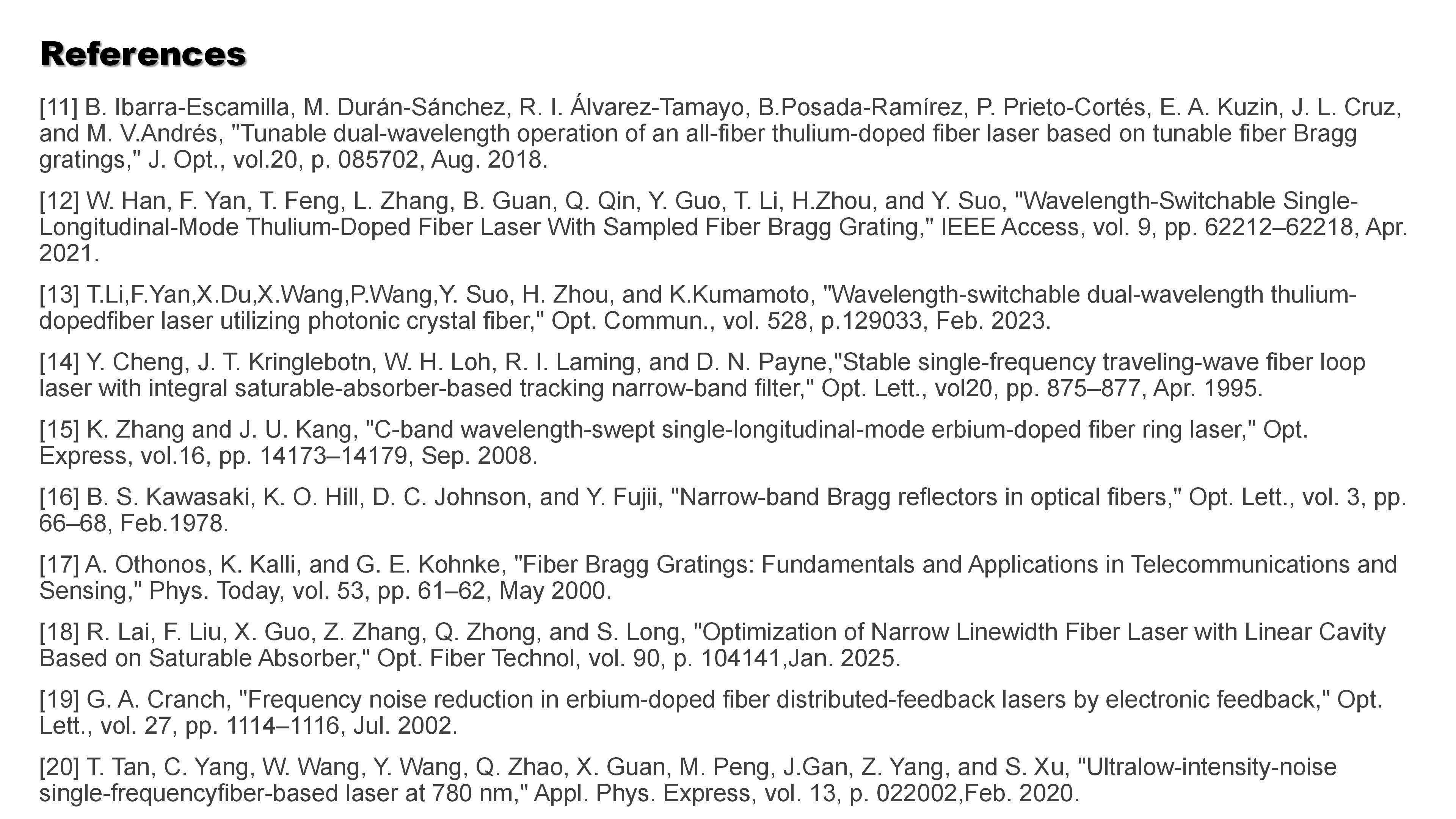 |
thats references |
| ICACT20260337 Slide.22
[Big Slide]
|
Chrome Click!! |
 |
Finally, I would like to express my sincere gratitude to everyone for your attention and listening! If you have any questions, suggestions, or want to conduct in-depth discussions on related technical issues, please feel free to communicate with me. Thank you |















