Now 5046 visitors
Today:0 Yesterday:0
Total: 147043
212S 50P 4R
2026-10-20, Week 43 |
| Member Login |
| TACT Journal Homepage |
| Call for Paper |
| Committee |
| Find My Paper |
| Author Homepage |
| Statistics & History |
| Welcome Message |
| Paper Procedure |
| FAQ |
| Paper Archives |
| Outstanding Papers |
| Author Homepage |
| - Paper Procedure |
| - Journal Procedure |
| - Presentation Tips |
|
| Program & Proceedings |
| Program with Papers |
| Plenary Session |
| Tutorial Session |
|
| Presentation Platform |
| Hotel & Travel Info |
| About Korea |
| Accommodation |
| Transportation |
| VISA |
| Other Infomation |
|
| Photo Gallery |
| Scheduler Login |
| Seminar |
| Archives Login |
|
| Sponsors |

|

|

|

|

|

|

|

|

|

|
|
|
|
|
 ICACT20260334 Slide.01
[Big Slide]
[YouTube] |
Chrome  Click!! |
 |
Hi I am Abilaa Niloshan. My Co-Authors Dimanthinie De Silva & Chinthaka Kumara.
Today, I will be presenting our research at ICACT 2026 on how Artificial Intelligence and Emotional Intelligence can be balanced in I T project management leadership to achieve efficient, high-quality project delivery in the I T (Information Technology) services industry.
|
| ICACT20260334 Slide.02
[Big Slide]
[YouTube] |
Chrome Click!! |
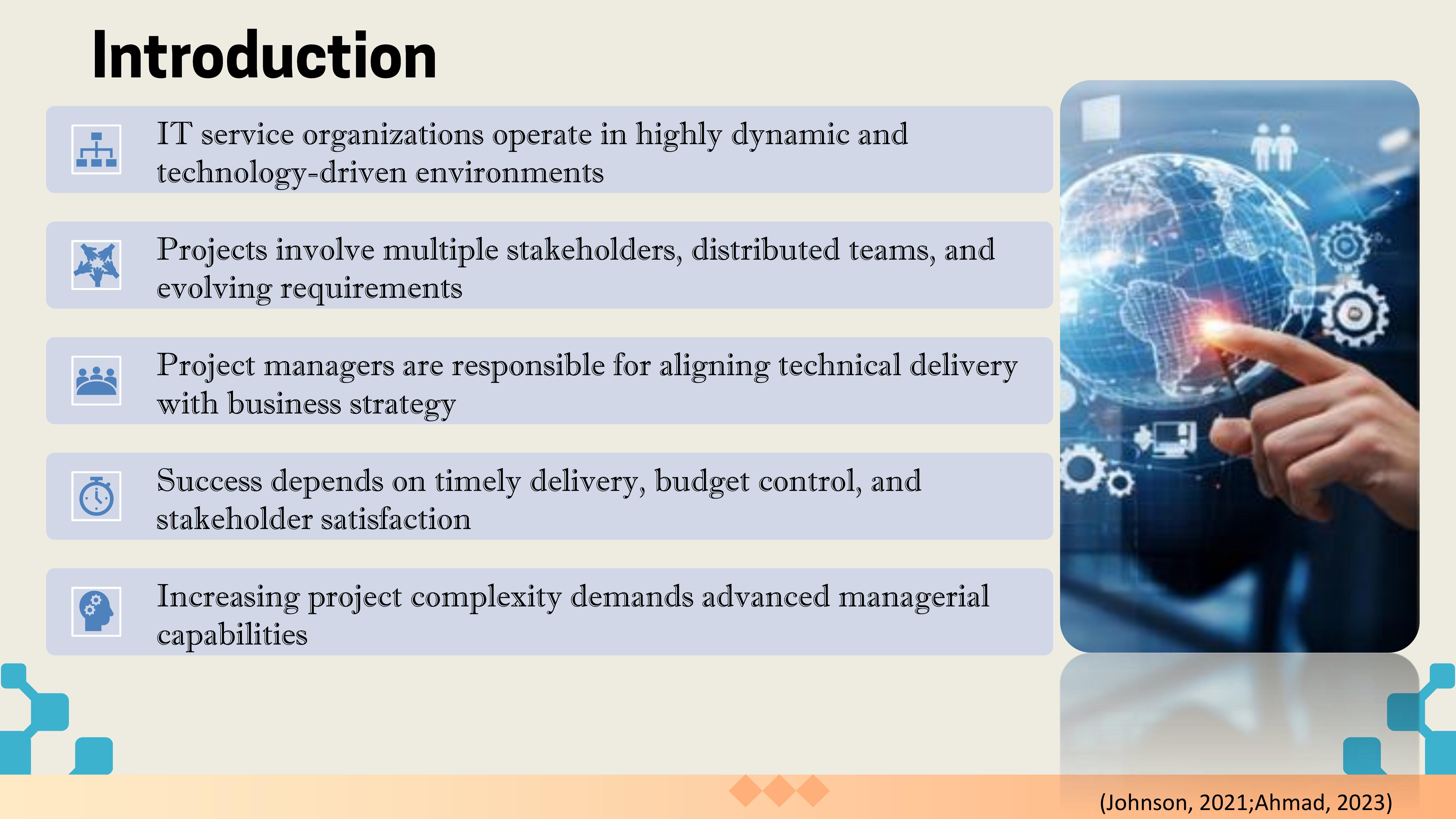 |
I T (Information Technology) service projects operate in dynamic environments where project managers must deliver outcomes under high pressure. Modern projects require more than meeting deadlines; they require balancing technology, people, stakeholder expectations, and strategic alignment. This research focuses on how project leadership must evolve to manage both technical complexity and human factors. |
| ICACT20260334 Slide.03
[Big Slide]
[YouTube] |
Chrome Click!! |
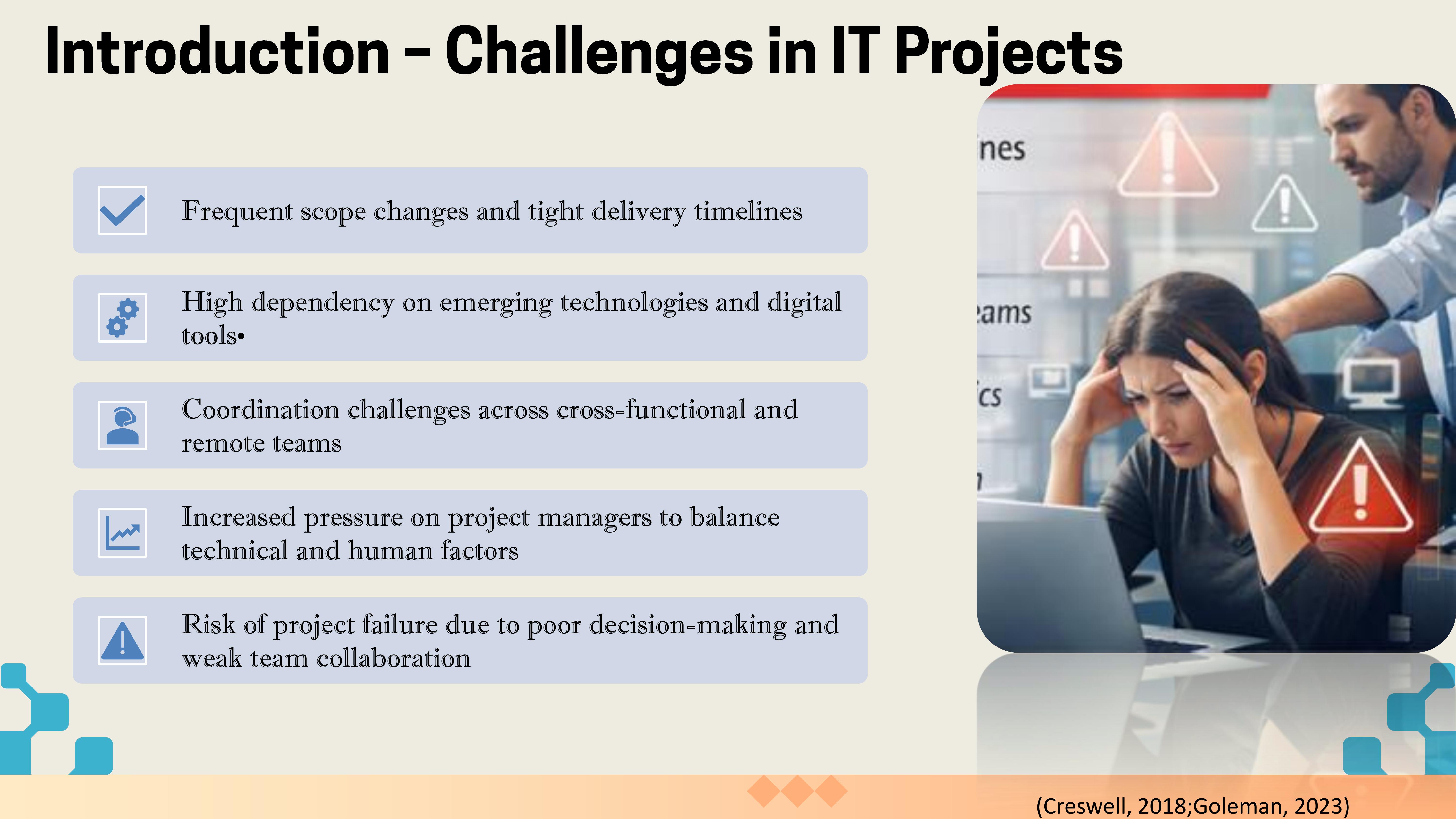 |
IT service projects face frequent scope changes, tight timelines, distributed teams, and high dependency on emerging technologies. Project managers must handle competing priorities while maintaining delivery quality and team stability. These challenges increase stress and raise risks of delays, budget overruns, and internal , External both stakeholder dissatisfaction if leadership approaches are not balanced and adaptive. |
| ICACT20260334 Slide.04
[Big Slide]
[YouTube] |
Chrome Click!! |
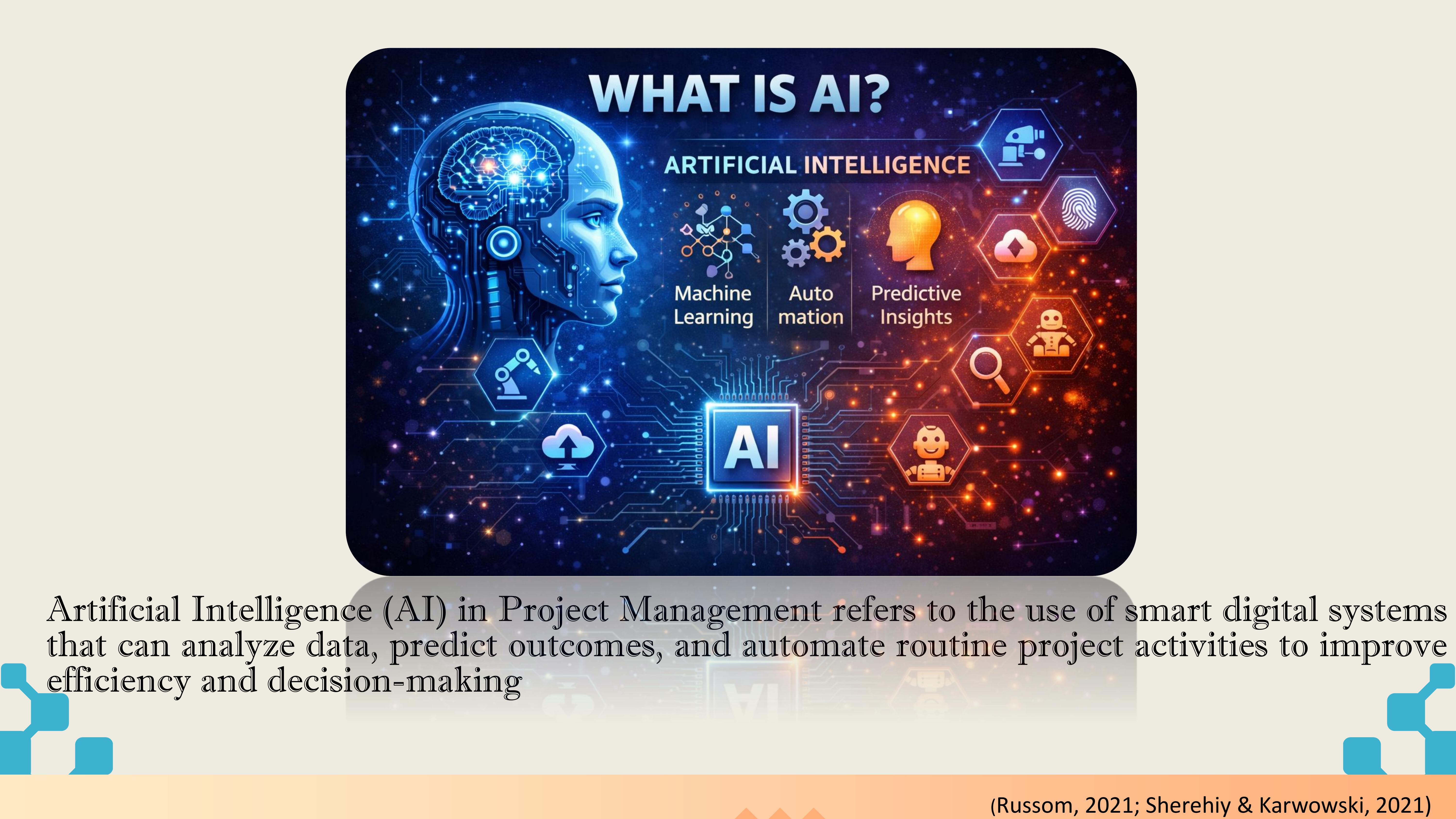 |
Artificial Intelligence refers to systems that can analyze data, recognize patterns, and generate predictions or recommendations. In project management, AI supports decision-making by automating routine tasks, improving scheduling accuracy, predicting risks early, ,optimizing resource allocation and Meeting minutes preparation . AI enables managers to move from reactive management to proactive management. |
| ICACT20260334 Slide.05
[Big Slide]
[YouTube] |
Chrome Click!! |
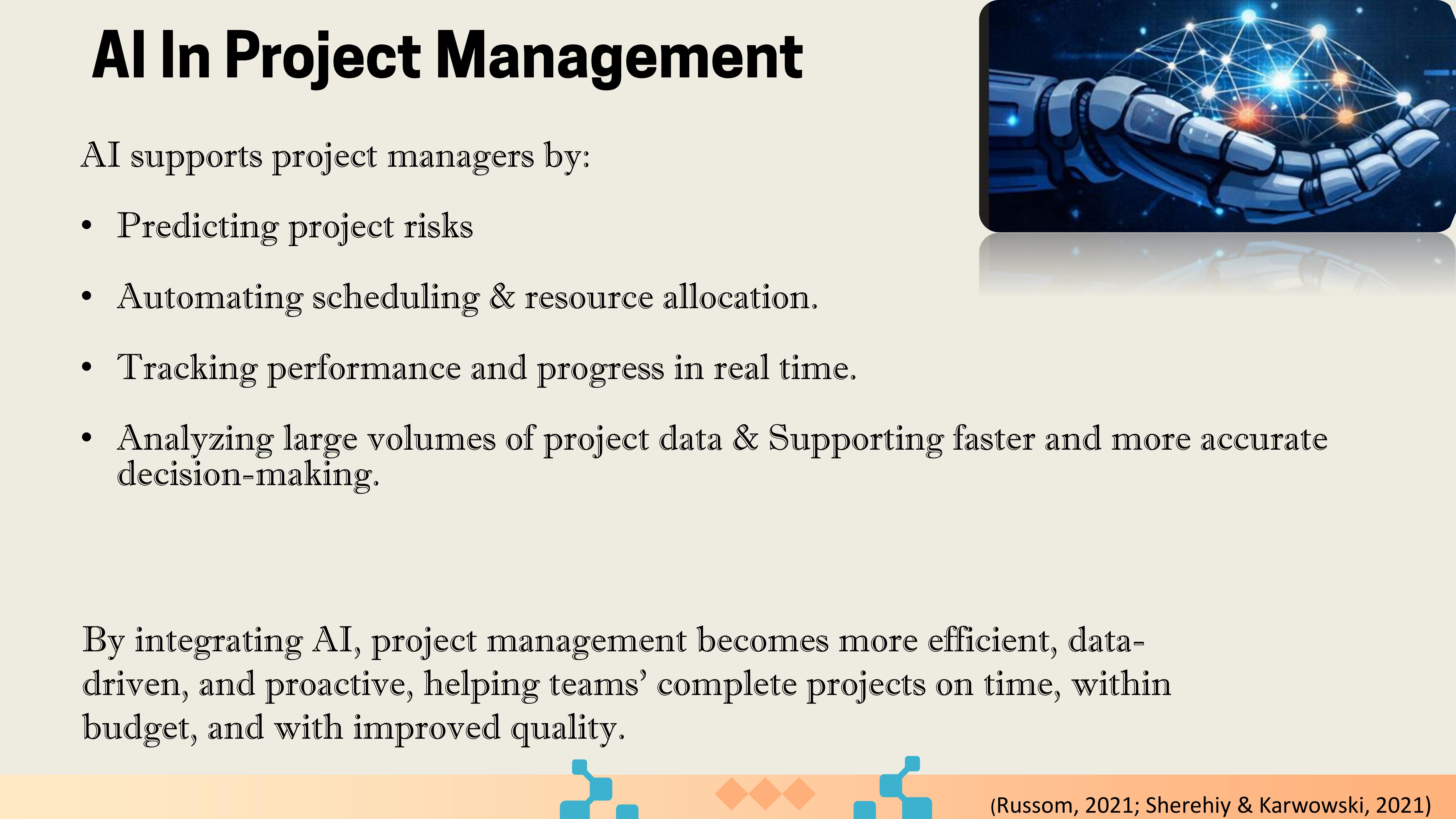 |
AI tools provide benefits such as predictive scheduling, early risk identification, automated reporting, and real-time performance tracking. This improves efficiency and reduces human error. AI also supports faster decision-making by providing analytics-based insights. However, AI primarily addresses operational and technical activities, and may not fully address human emotions, trust, or team motivation. |
| ICACT20260334 Slide.06
[Big Slide]
[YouTube] |
Chrome Click!! |
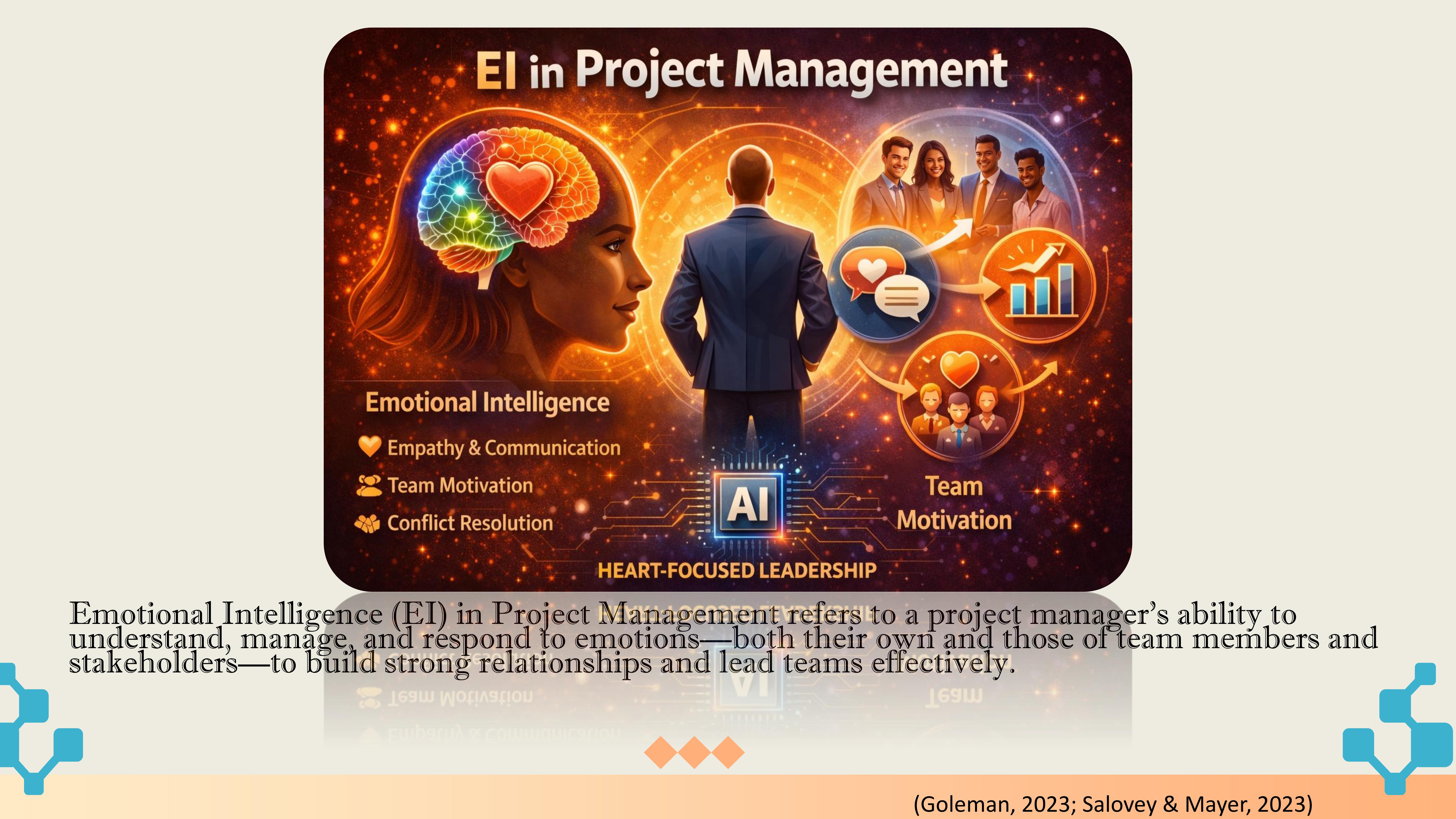 |
Emotional Intelligence refers to the ability to recognize, understand, and manage emotions in oneself and others. In project environments, EI enables leaders to communicate effectively, show empathy, regulate stress, and build trust. EI is essential for stakeholder engagement, team motivation, and maintaining productive collaboration under pressure. |
| ICACT20260334 Slide.07
[Big Slide]
[YouTube] |
Chrome Click!! |
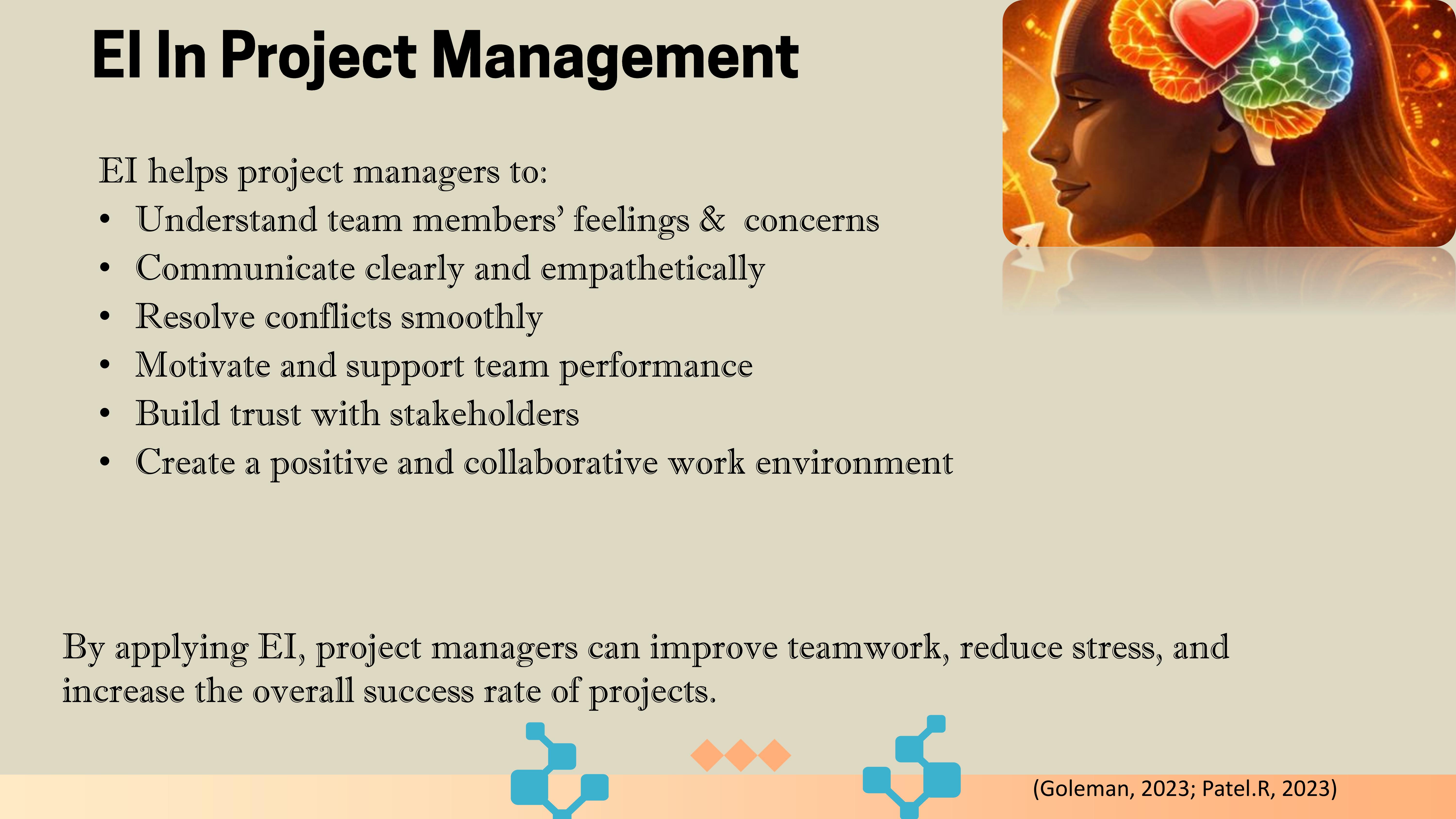 |
EI improves teamwork by strengthening communication, reducing conflict, and supporting psychological safety. Emotionally intelligent project leaders can handle disagreements constructively, motivate teams, and maintain stakeholder satisfaction. EI therefore directly contributes to team cohesion, resilience, and better project outcomes. However, EI alone may not provide analytical forecasting or data-driven optimization needed in complex IT service projects. |
| ICACT20260334 Slide.08
[Big Slide]
[YouTube] |
Chrome Click!! |
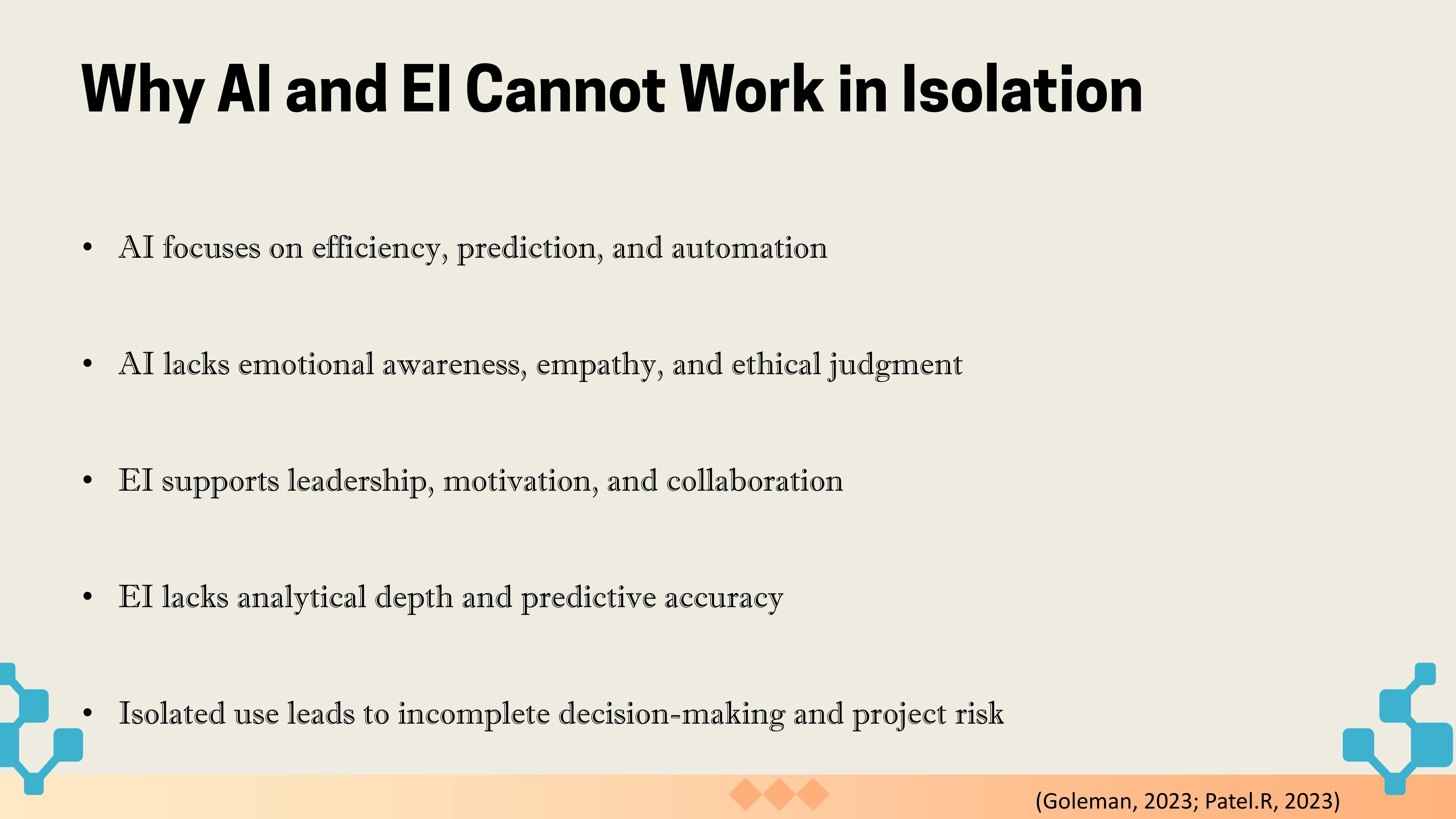 |
AI and EI each contribute to project success, but both have limitations when used alone. AI provides efficiency and predictive insights but lacks emotional awareness and ethical judgment. EI supports human-centered leadership but lacks the predictive accuracy and automation offered by AI. Therefore, effective project leadership requires a balanced integration of AI-driven efficiency and emotionally intelligent leadership. |
| ICACT20260334 Slide.09
[Big Slide]
[YouTube] |
Chrome Click!! |
 |
The main research question is: How can the integration and balancing of Artificial Intelligence and Emotional Intelligence improve decision-making, team performance, and stakeholder satisfaction in IT service project management? This question guides the study toward developing practical insights and an integrated framework. |
| ICACT20260334 Slide.10
[Big Slide]
[YouTube] |
Chrome Click!! |
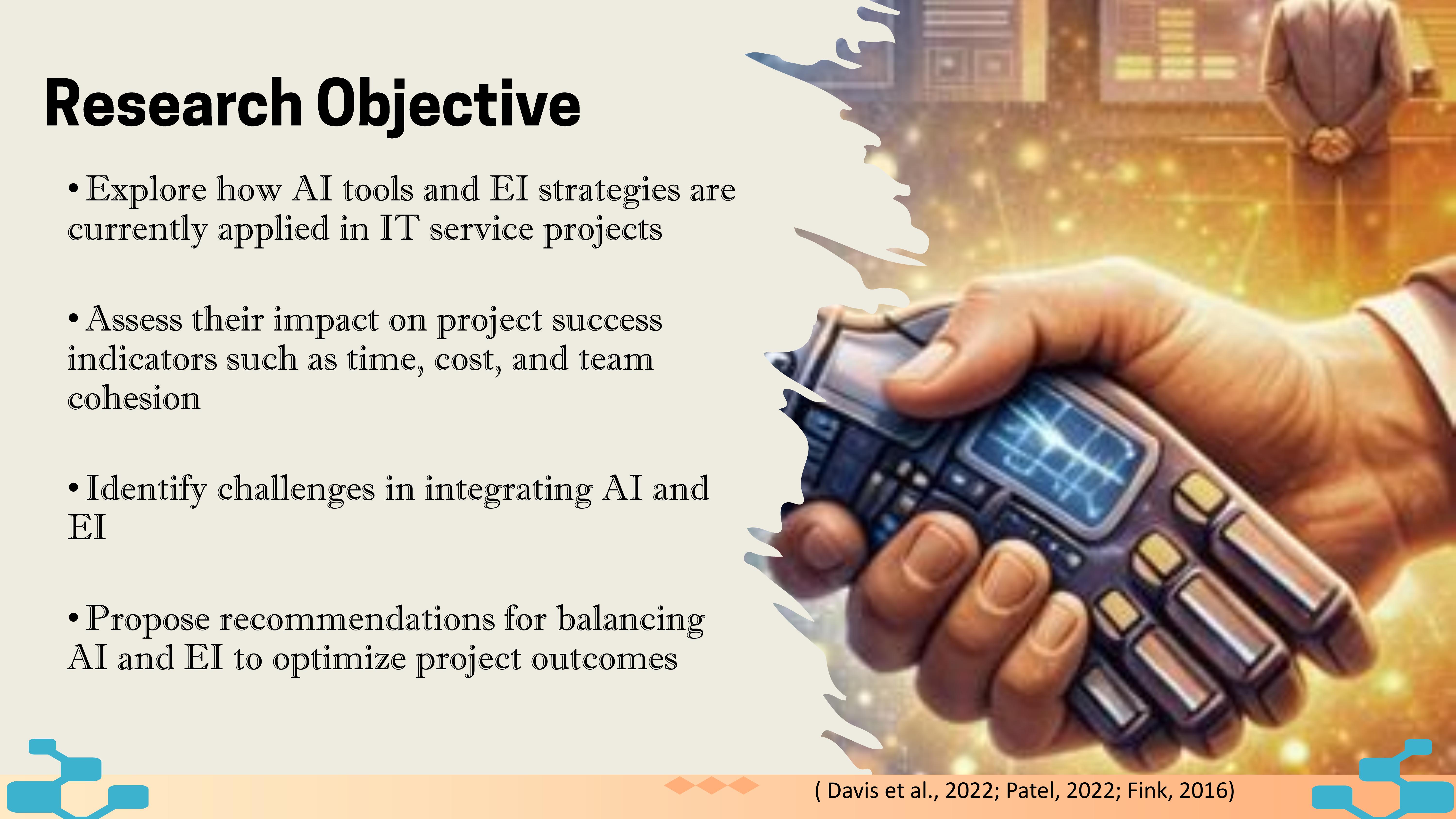 |
To achieve this research question, I came up with a couple of objectives to be achieved. So these objectives will support you to reach out and they find the answers for our big question .The objectives of this research are
1. To explore how AI tools and EI strategies are currently applied in IT service projects.
2. To assess how AI and EI influence project success factors such as delivery time, budget performance, and team cohesion.
3. To identify challenges and barriers when integrating AI and EI in project environments.
4. To propose recommendations for implementing a balanced AI–EI approach.
|
| ICACT20260334 Slide.11
[Big Slide]
[YouTube] |
Chrome Click!! |
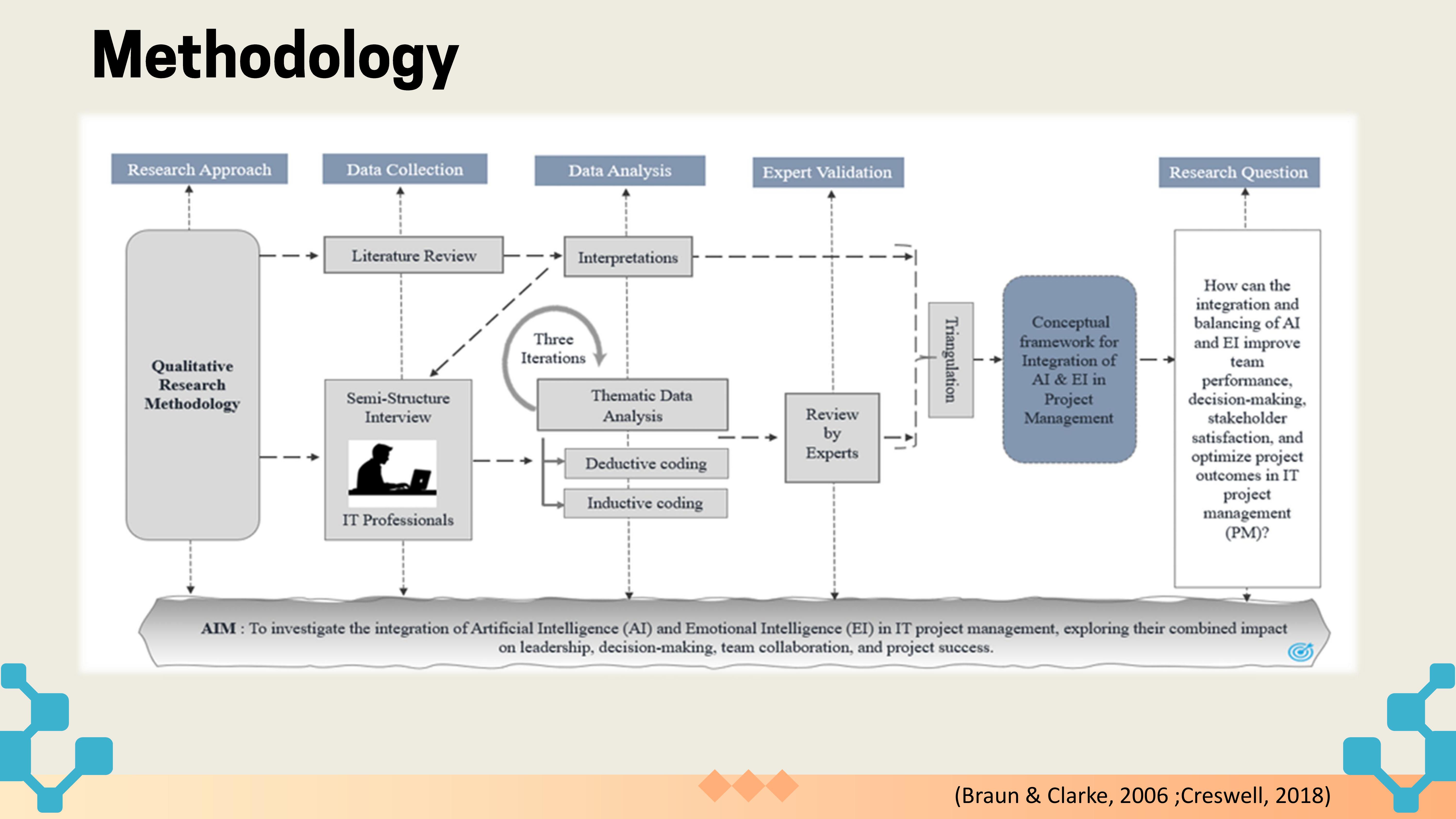 |
The methodology followed in this study is a qualitative research approach, as the objective was to understand project managers’ experiences and perspectives in real project environments.
Qualitative methods were selected because this research focuses on human behavior, leadership practices, and organizational dynamics, which require in-depth insights that cannot be fully captured through numerical or quantitative measures.
Data was collected using semi-structured interviews with project managers working in IT service organizations. This interview approach allowed flexibility to explore individual experiences while maintaining consistency across participants.
The collected data was analyzed using thematic analysis, applying both deductive and inductive coding approaches to identify meaningful patterns and themes.
Finally, the identified themes, research findings, and expert validation feedback were triangulated to develop and refine the proposed conceptual framework.
|
| ICACT20260334 Slide.12
[Big Slide]
[YouTube] |
Chrome Click!! |
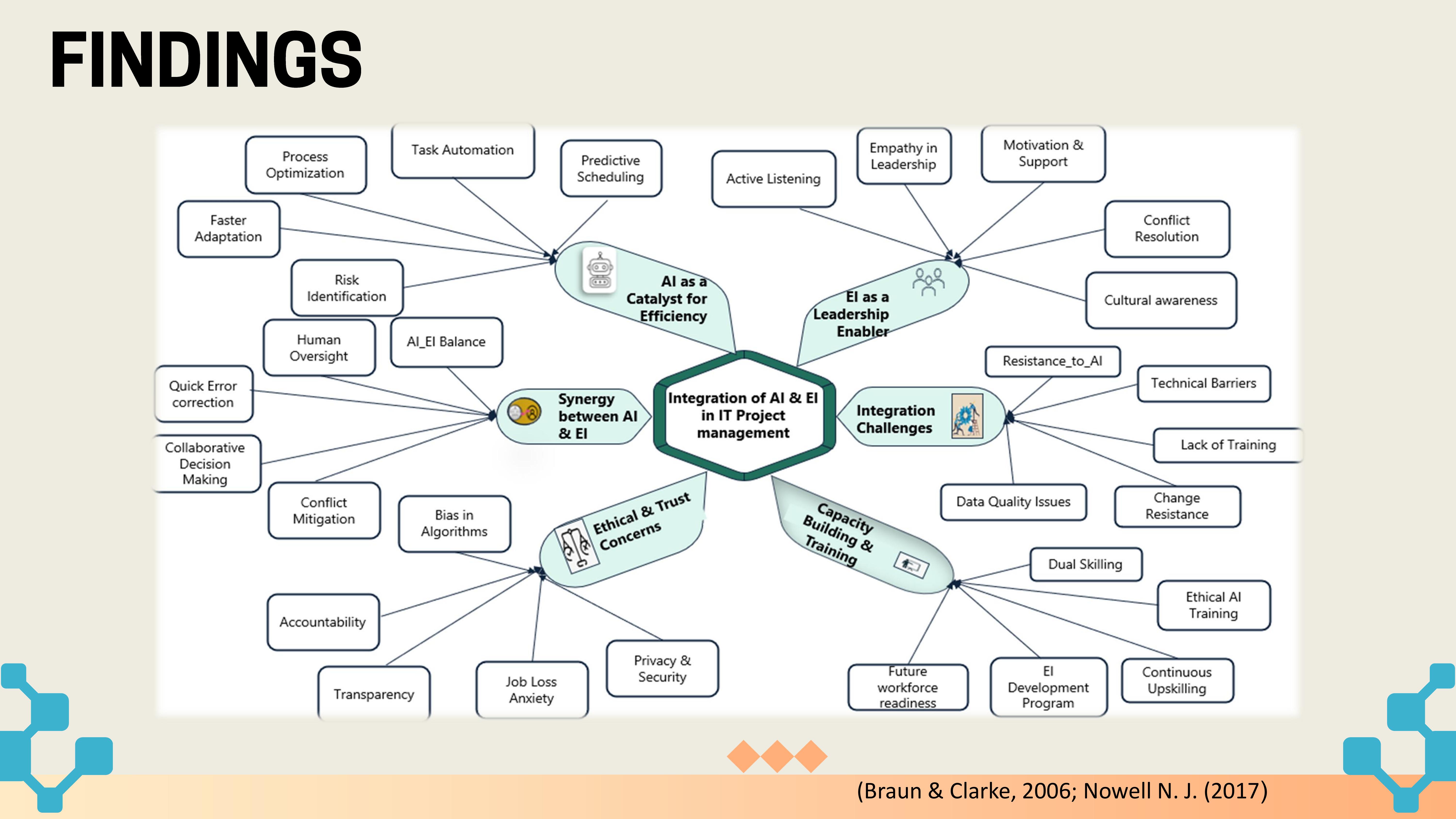 |
This slide presents the thematic map, which may look complex, but it reflects the depth and rigor of the analysis conducted in this study.
The data was analyzed using thematic analysis following Braun and Clarke’s six-step approach, selected for its suitability in interpreting complex behavioral and organizational phenomena.
Initially, 104 codes were generated through a combination of inductive insights from participant experiences and deductive concepts drawn from existing literature on AI adoption and emotional intelligence.
Through three iterative rounds of comparison and refinement, overlapping and unclear codes were consolidated into 42 meaningful codes, forming the final thematic structure.
The figure shown here illustrates the final two iterations of this coding process, demonstrating how the key themes emerged systematically from the data.
|
| ICACT20260334 Slide.13
[Big Slide]
[YouTube] |
Chrome Click!! |
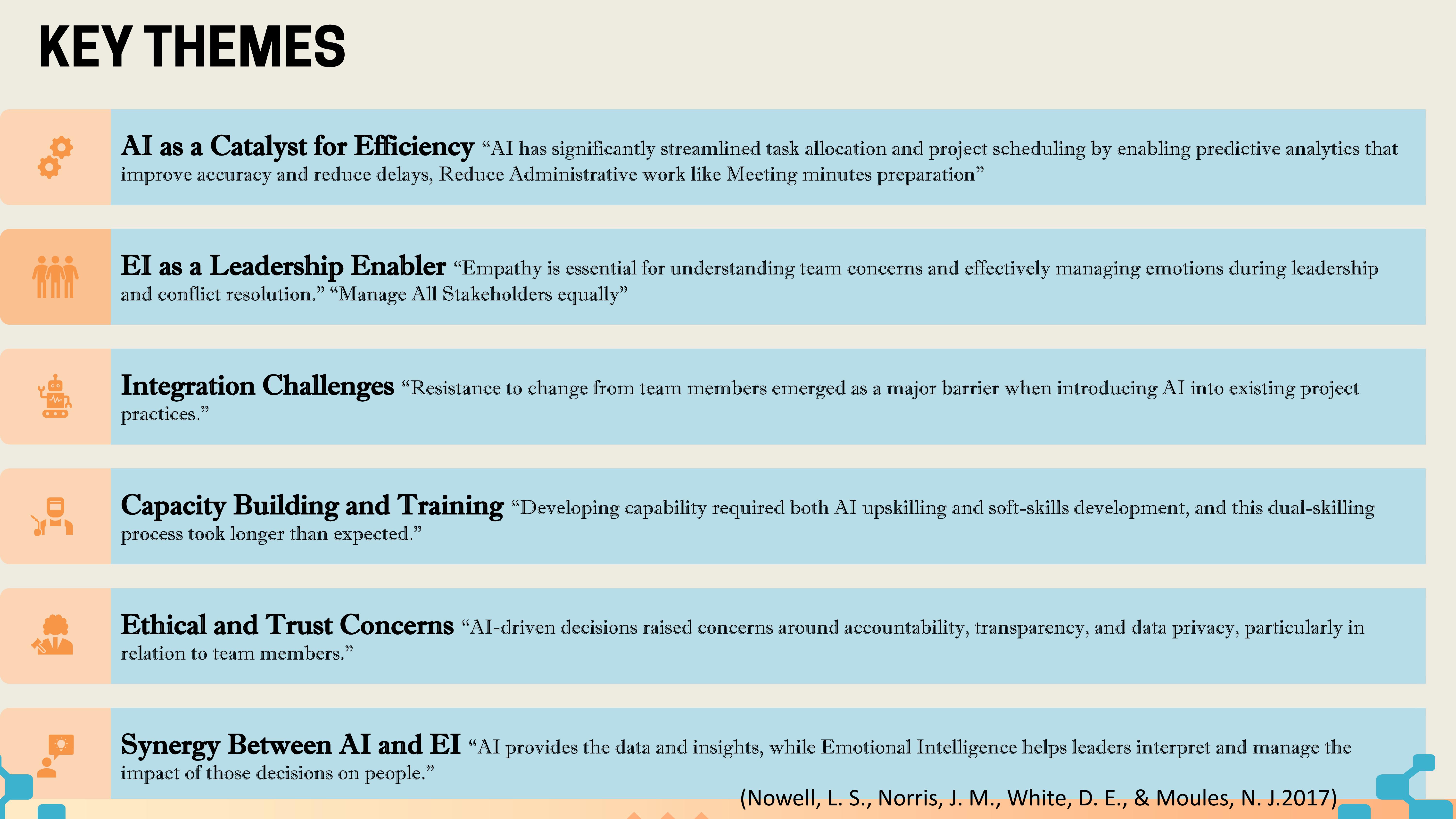 |
I will now briefly walk through the key themes that emerged from the analysis.
The first theme is AI as a catalyst for efficiency, which indicates that AI enhances project efficiency by enabling predictive scheduling, early risk detection, and data-driven decision support. I have also included interesting key code that support this theme as well.
The second theme is Emotional Intelligence as a leadership enabler, where emotional intelligence strengthens project leadership through improved empathy, effective communication, and constructive conflict resolution.
The third theme focuses on integration challenges, highlighting that integrating AI into project management is often challenged by resistance to change, cultural barriers, and lack of acceptance among project teams.
The fourth theme relates to capacity building and training needs for dual-skilling, emphasizing that successful AI–EI integration requires continuous training to develop both technical AI capabilities and emotionally intelligent leadership skills.
The fifth theme addresses ethical and trust concerns, including transparency, data bias, privacy, and accountability. Participants expressed that AI-driven project decisions raise important ethical issues that must be managed responsibly.
Finally, the most critical theme is the synergy between AI and EI, where AI provides analytical insights, and emotional intelligence enables leaders to interpret those insights and manage their impact on people. Project success is maximized when these two capabilities are effectively combined.
All of these themes are strongly supported by direct participant quotations, ensuring that the findings are grounded in real project experiences.
|
| ICACT20260334 Slide.14
[Big Slide]
[YouTube] |
Chrome Click!! |
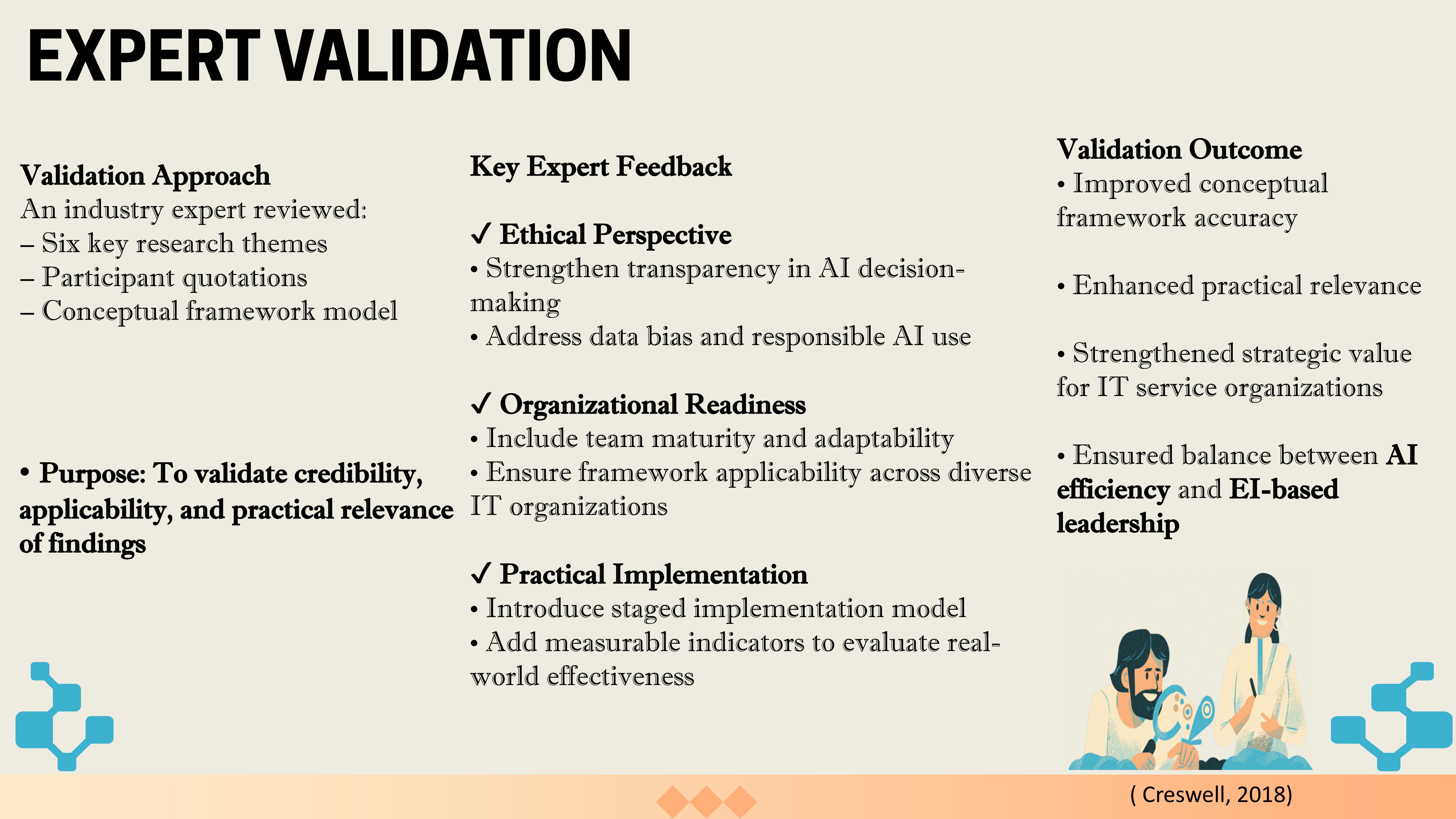 |
To strengthen credibility, an industry expert reviewed the thematic outcomes, sample participant quotations, and the conceptual framework. The goal of expert validation was to ensure the findings were realistic, professionally relevant, and applicable to real project environments. This step enhances trustworthiness and confirms that the framework can be practically adopted by organizations.
Expert feedback emphasized three improvements:
1. Strengthening ethical considerations, especially transparency and bias in AI decision-making.
2. Incorporating team maturity and adaptability as key factors influencing adoption success.
3. Adding practical implementation stages with measurable indicators to evaluate AI–EI integration effectiveness. These refinements improved the framework’s clarity and real-world applicability.
|
| ICACT20260334 Slide.15
[Big Slide]
[YouTube] |
Chrome Click!! |
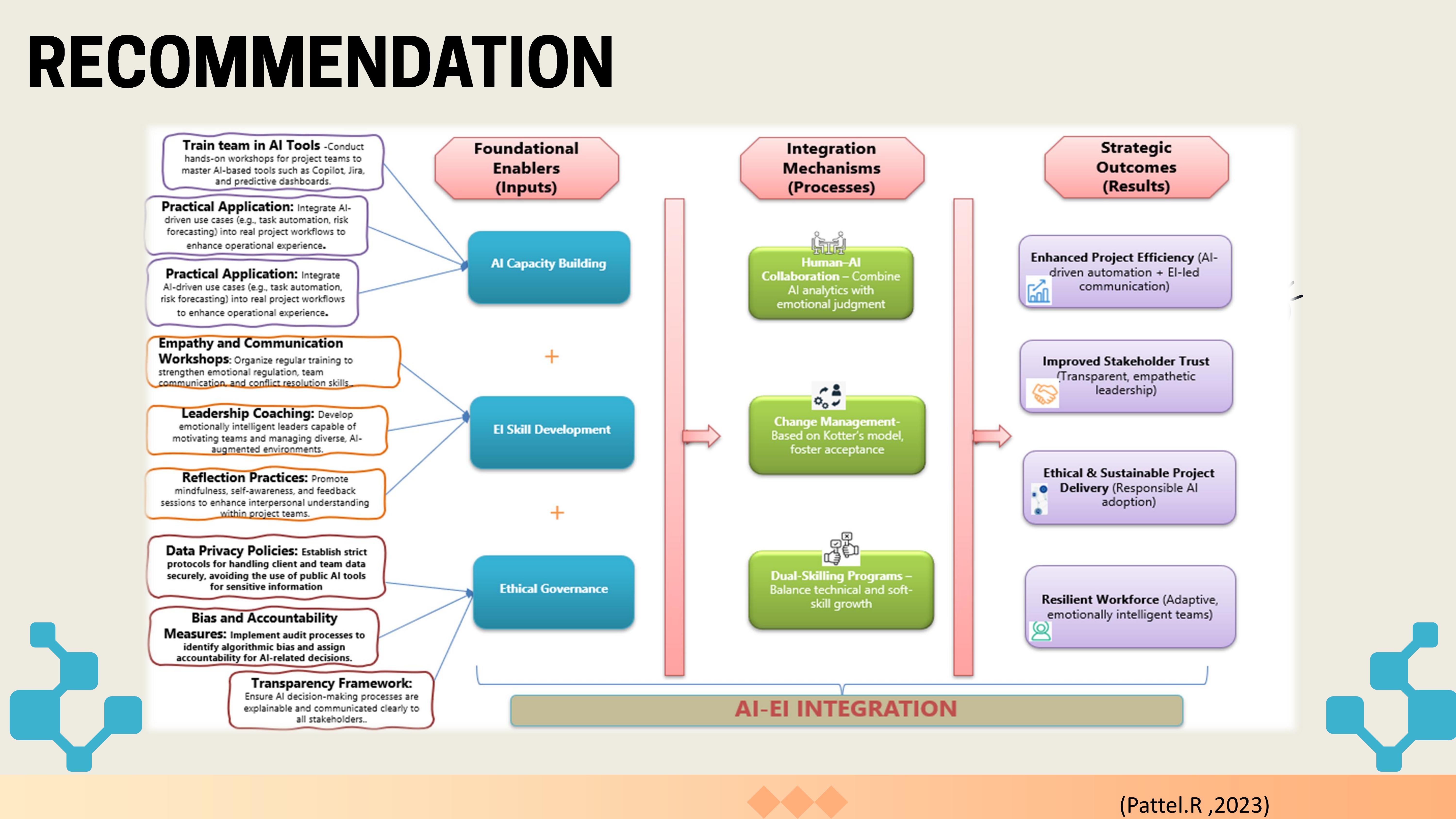 |
After incorporating the feedback received from the experts. So we came up with this model for the organization and let me go through the model. This diagram tells the journey of AI–EI integration in organizations—from preparation, to implementation, to impact. I will walk through this journey from left to right, showing how each stage contributes to successful project outcomes.
On the left side, we have the foundational enablers, which are the essential inputs for successful integration.
The first is AI capacity building, where project teams are trained to use AI tools such as predictive dashboards, task automation, and risk forecasting in real project workflows. This ensures AI is embedded into daily project activities rather than remaining a standalone technology.
The second input is EI skill development, which focuses on building emotionally intelligent leadership through empathy, communication workshops, leadership coaching, and reflection practices. This is critical because AI-driven decisions still need to be communicated clearly and accepted by human teams.
The third input is ethical governance, which includes data privacy policies, bias and accountability measures, and transparency frameworks. This ensures AI decisions are explainable, ethical, and trusted, with accountability remaining with human leaders.
Together, these inputs ensure organizations are technically, emotionally, and ethically prepared.
In the middle section, the diagram shows the integration mechanisms.
First is human–AI collaboration, where AI provides data-driven insights and emotionally intelligent leaders interpret those insights by considering team wellbeing, stakeholder expectations, and ethical implications.
Second is change management, guided by Kotter’s model, which helps address resistance, build acceptance, and sustain adoption.
Third is dual-skilling, ensuring continuous development of both AI literacy and leadership soft skills.
On the right side, the diagram highlights the strategic outcomes. These include enhanced project efficiency, improved stakeholder trust, ethical and sustainable project delivery, and a resilient workforce capable of adapting to AI-augmented environments.
Overall, this diagram shows that AI–EI integration is not just a technical initiative, but a leadership and organizational transformation that balances technology-driven efficiency with emotionally intelligent leadership for sustainable project success. |
| ICACT20260334 Slide.16
[Big Slide]
[YouTube] |
Chrome Click!! |
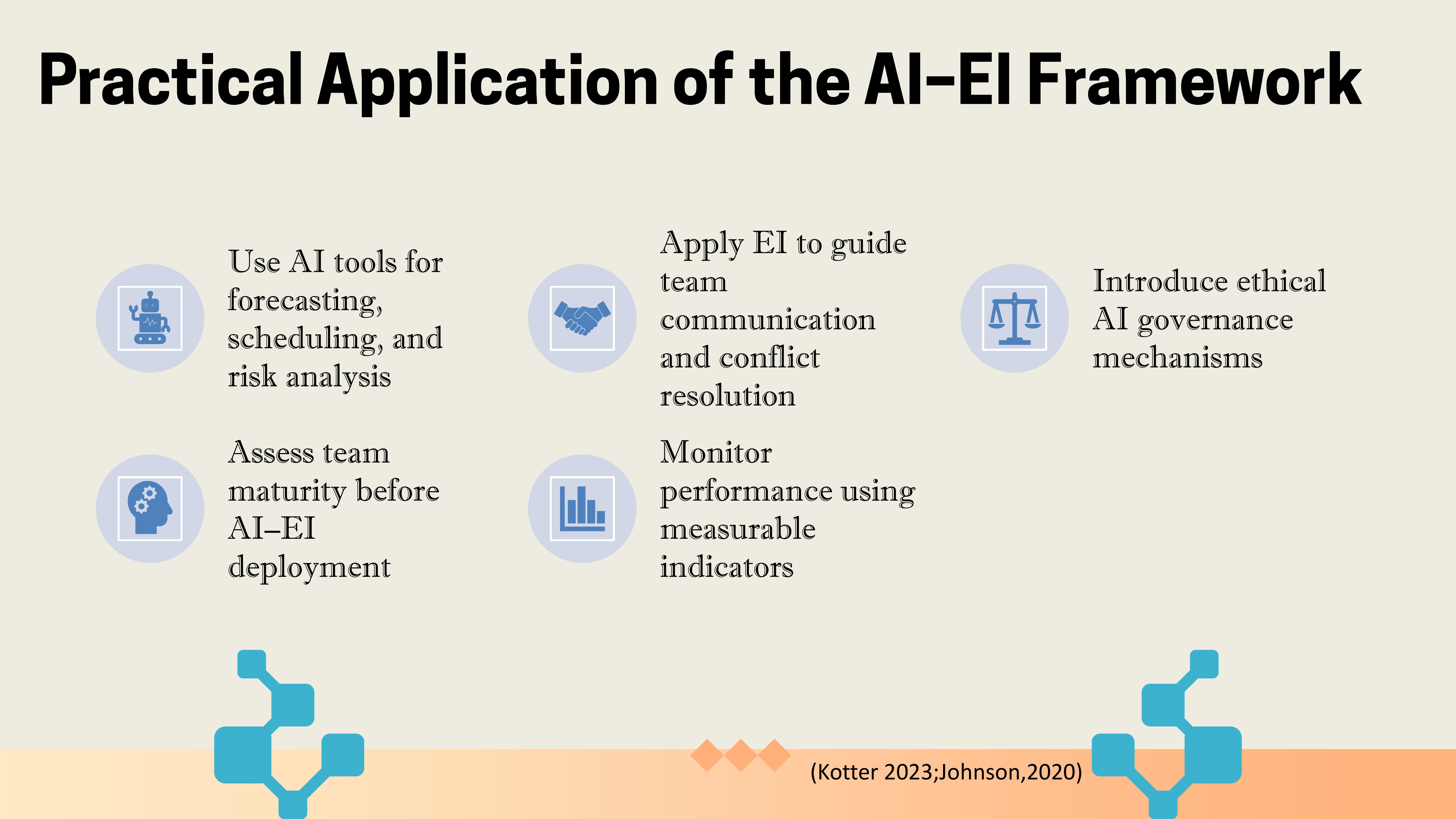 |
To implement the AI–EI framework successfully, organizations should apply structured change management. Kotter’s model can support adoption by creating urgency, forming a guiding coalition, communicating vision, enabling training, piloting quick wins, and embedding new practices into organizational culture. This ensures AI–EI integration is accepted by teams and sustained long-term. |
| ICACT20260334 Slide.17
[Big Slide]
[YouTube] |
Chrome Click!! |
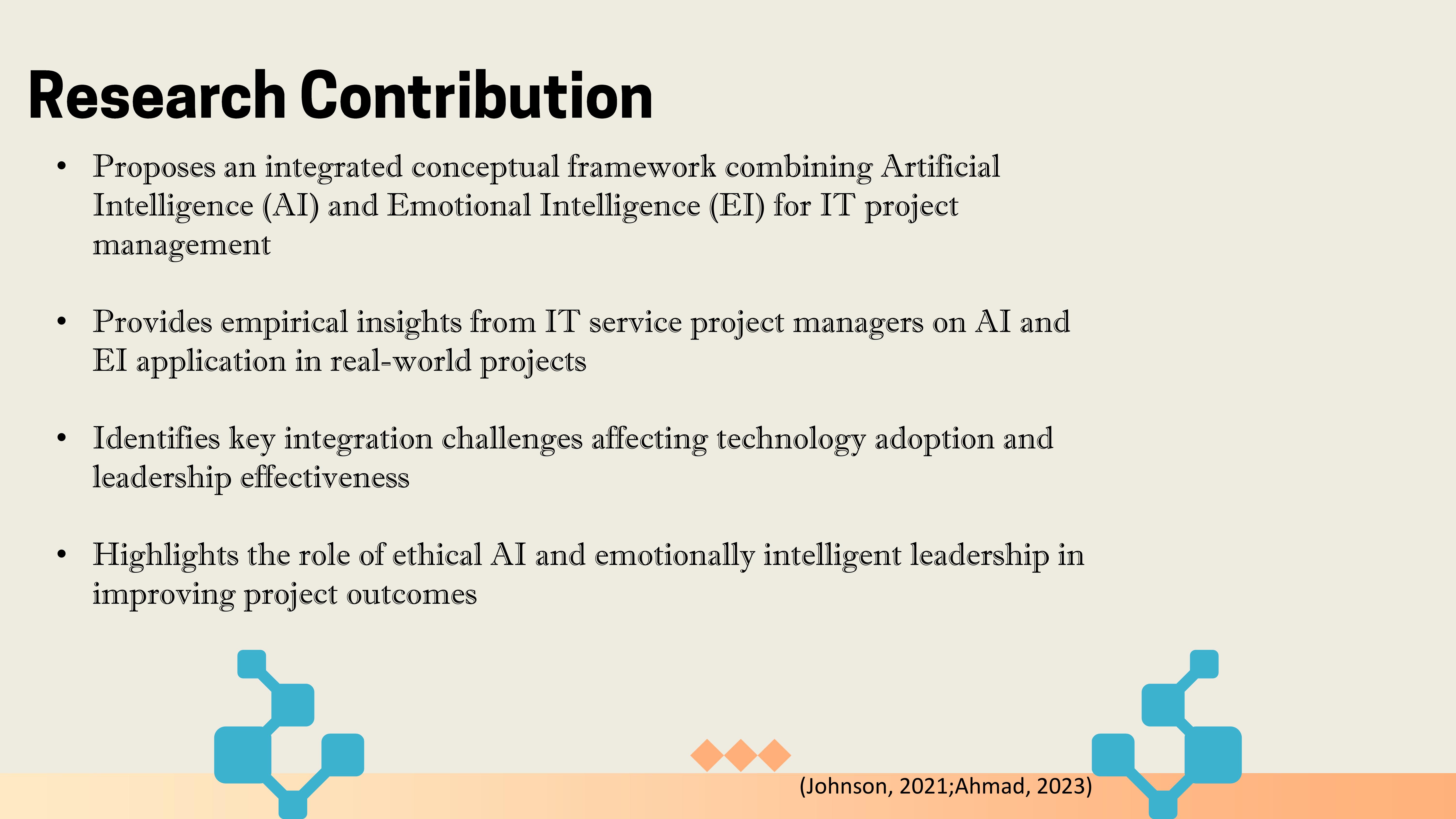 |
This research contributes by proposing an integrated conceptual framework linking AI and EI in project management. It provides empirical evidence from project managers in IT service organizations, highlights ethical governance and organizational readiness factors, and offers practical guidance for implementation. The study supports the development of hybrid project leaders who balance data-driven efficiency with human-centered leadership. |
| ICACT20260334 Slide.18
[Big Slide]
[YouTube] |
Chrome Click!! |
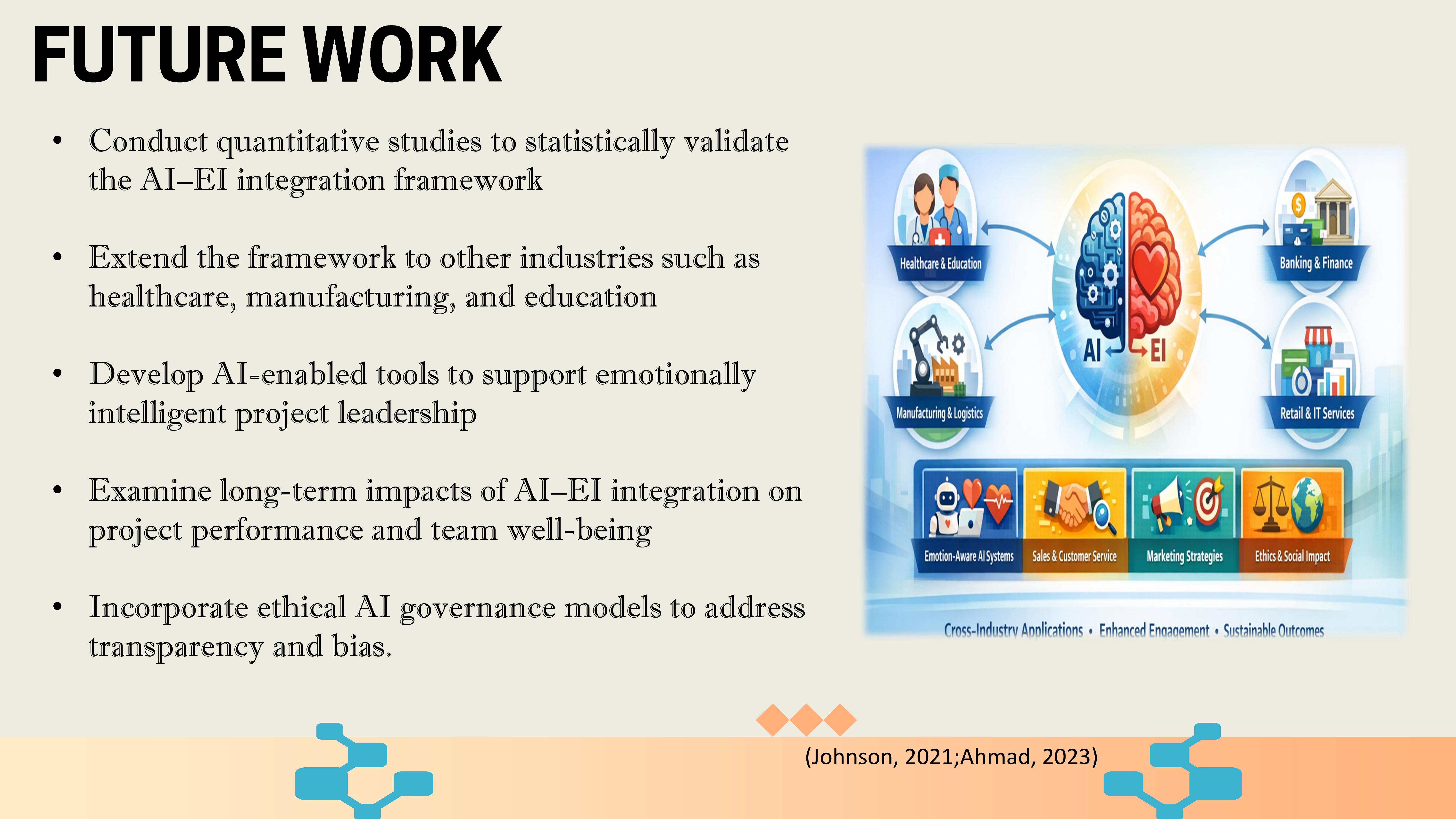 |
Future work includes conducting quantitative studies to validate the framework statistically. The framework can be extended to other industries beyond IT services. Additional research can develop AI-enabled tools supporting emotionally intelligent leadership, examine long-term impacts on team wellbeing, and enhance ethical AI governance models to address evolving risks.
|
| ICACT20260334 Slide.19
[Big Slide]
[YouTube] |
Chrome Click!! |
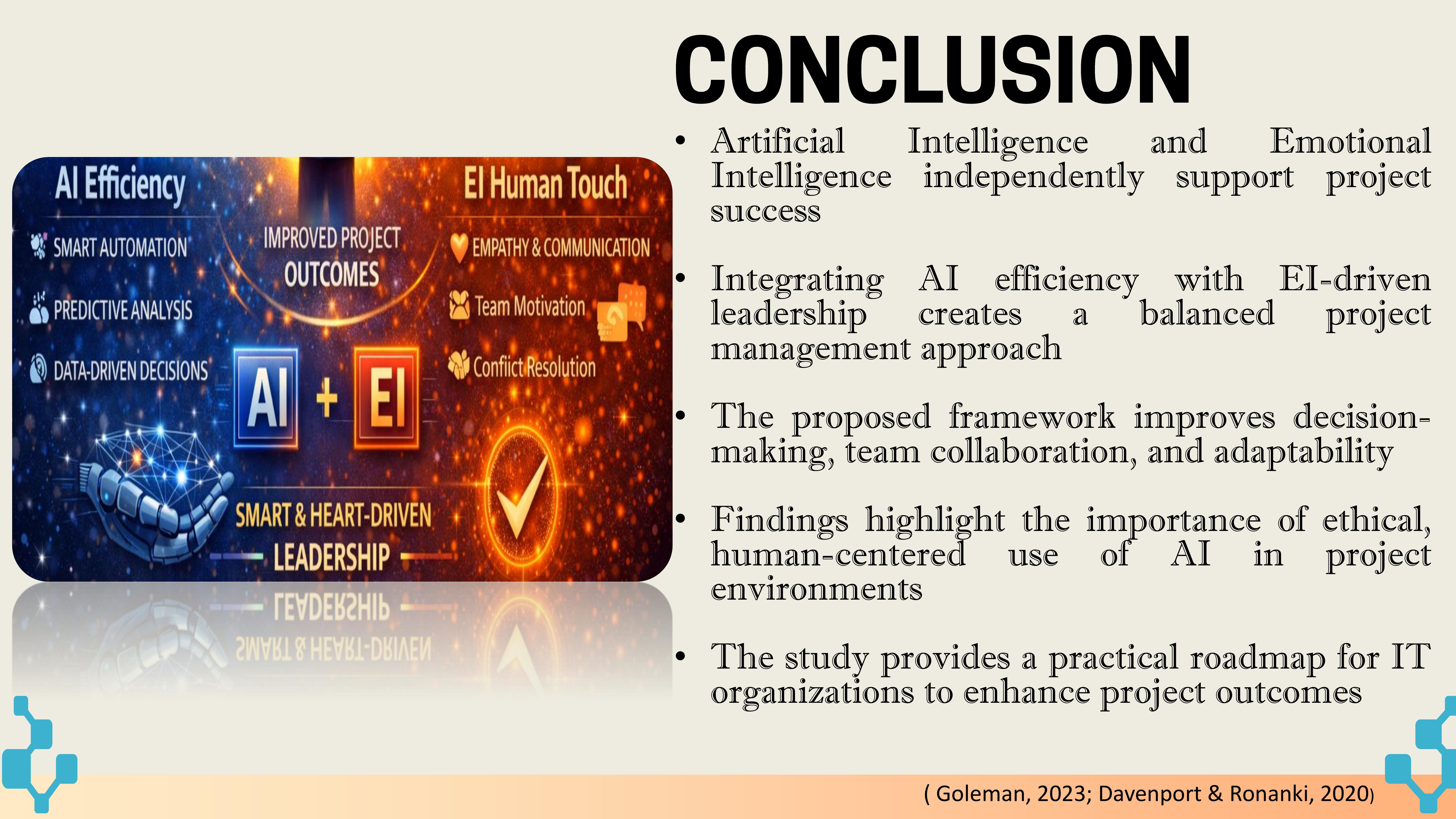 |
To conclude, this study demonstrates that Artificial Intelligence and Emotional Intelligence are both critical, but incomplete when applied in isolation within IT project management.
AI enhances efficiency, forecasting, and decision accuracy, while Emotional Intelligence strengthens leadership, collaboration, and stakeholder relationships.
The findings of this research show that integrating AI with emotionally intelligent leadership leads to better project outcomes, stronger trust, and more ethical and sustainable project delivery.
By proposing and validating an AI–EI integration framework, this study offers a practical roadmap for IT service organizations to balance technology-driven efficiency with human-centered leadership.
Ultimately, the success of future IT projects will depend not only on intelligent systems, but on emotionally intelligent leaders who apply those systems responsibly and ethically. |
| ICACT20260334 Slide.20
[Big Slide]
[YouTube] |
Chrome Click!! |
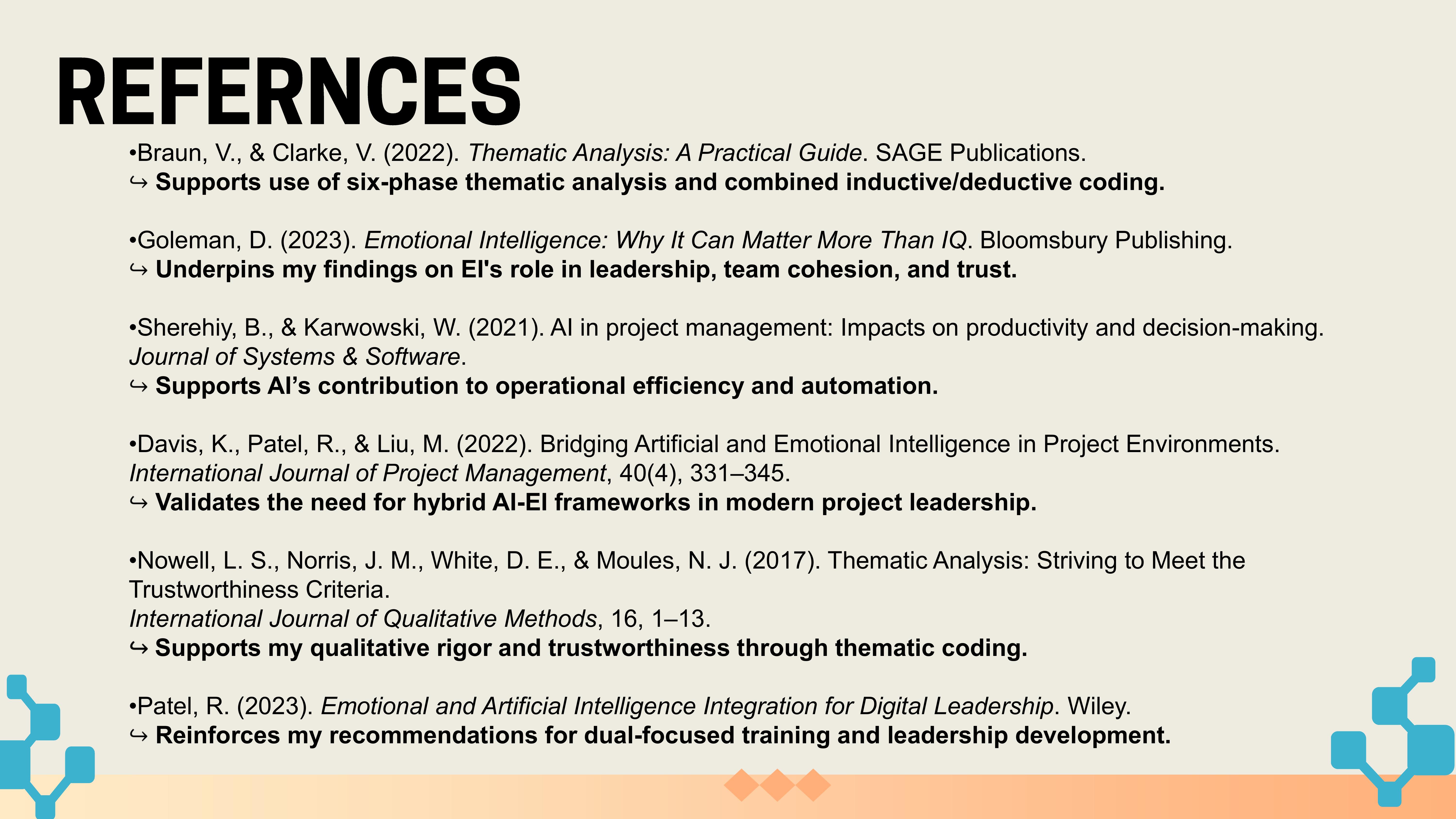 |
This slide provides key academic references used in the research
|
| ICACT20260334 Slide.21
[Big Slide]
[YouTube] |
Chrome Click!! |
 |
Thank you for your attention.
I welcome any questions and discussion regarding AI–EI integration and its application in IT project management leadership. |
| |





